Paid Traffic vs. Organic SEO for Dropshipping Stores: Where to Allocate Your First $5,000 in Marketing Spend
Stores relying primarily on organic traffic report 28% average net margins compared to 17% for paid-traffic-dependent operations.
The Journal
210 articles· Written for ecommerce operators who ship.

Stores relying primarily on organic traffic report 28% average net margins compared to 17% for paid-traffic-dependent operations.

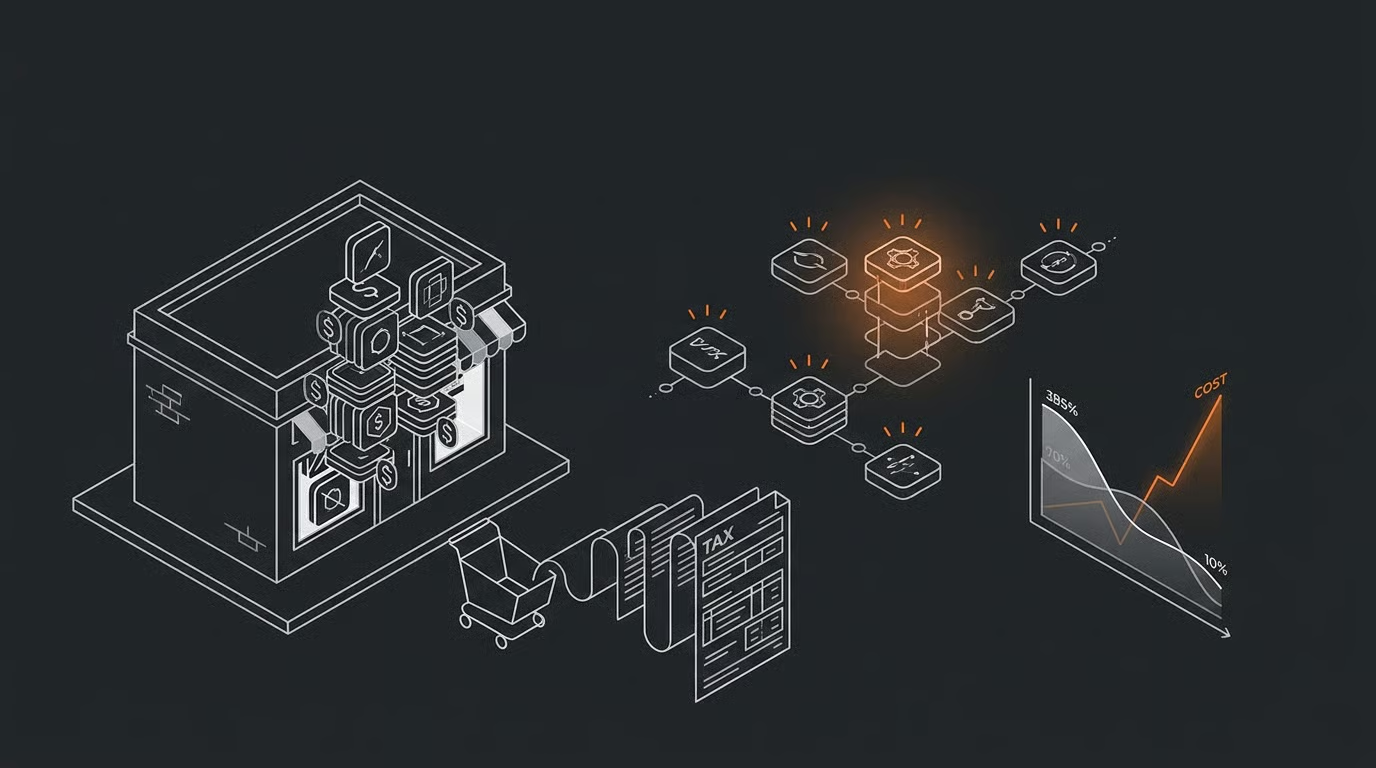
FOB pricing on a $12 overseas product conceals $4.80 to $7.20 in additional charges across customs duties, international freight, insurance, and handling.

TikTok Shop's total cost of selling runs 35–55% of revenue when you stack referral fees, affiliate commissions, transaction fees, and returns. Shopify DTC's all-in platform cost sits closer to 5–8% of revenue at equivalent volume, but every visitor arrives on your dime.

Shopify holds 27% of the ecommerce platform market while WooCommerce powers 36–38% of online stores, yet those market-share numbers reveal nothing about which platform actually costs less to operate a dropshipping business on.

AutoDS outperforms Spocket for margin at scale when stores cross the 200-weekly-order threshold, driven by end-to-end fulfillment automation, access to 500M+ products across 25+ global suppliers, and AI-powered repricing that Spocket's curated US/EU catalog can't match at volume.

Customers who purchase bundles carry 2.7x higher lifetime value and show 40% better retention than single-item buyers, per cross-industry ecommerce data tracked through early 2026. The path from a typical $48 single-item cart to $120+ average order value doesn't run through discounts.

Viral products follow a spike-crash demand curve that compresses margins through a predictable four-stage sequence: rising CPMs, supplier price hikes, competitor flooding, and demand collapse.

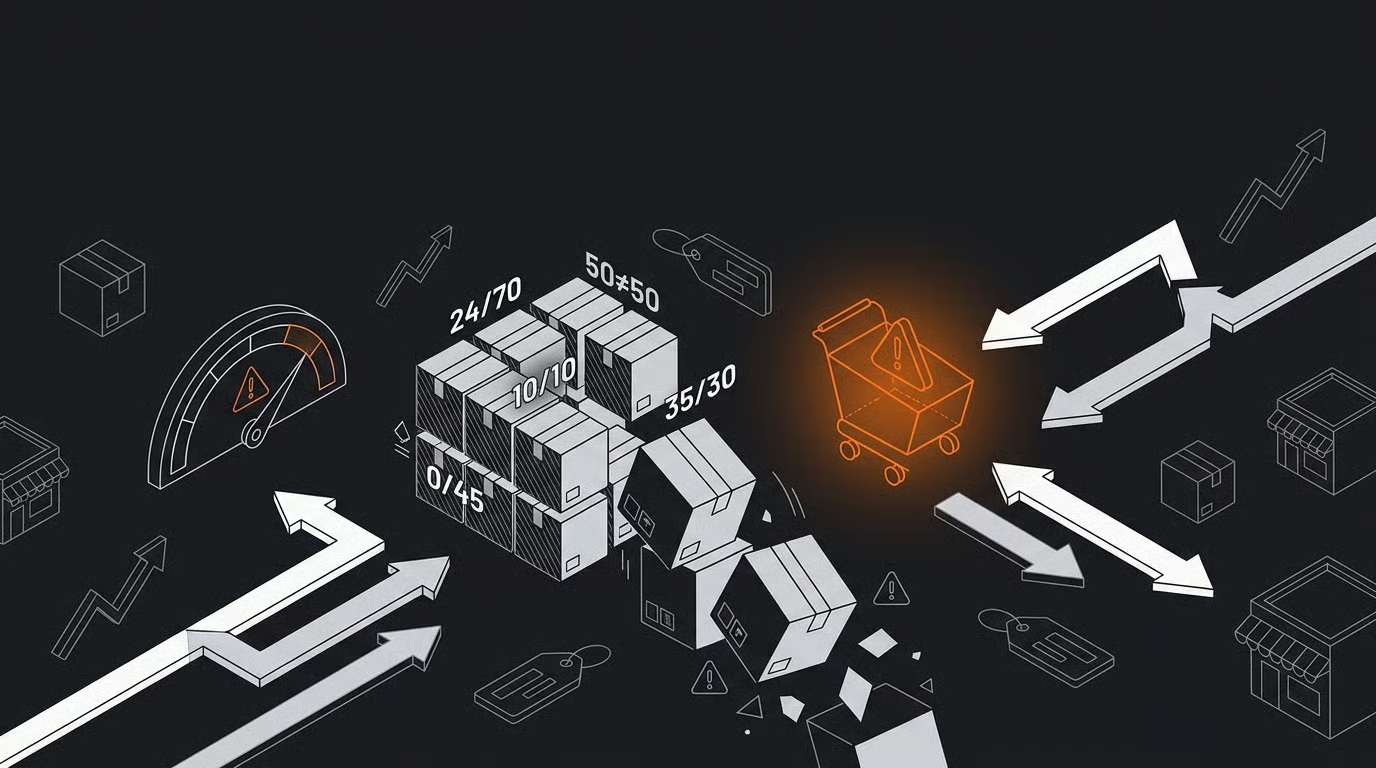
Shopify's order routing system processes every incoming order through a sequential rule stack, checking inventory availability at each configured location from top to bottom.

Three to seven distinct fee layers sit between a product's factory price and the number aggregator platforms display as your "supplier cost." Fulfillment surcharges, payment processing cuts, per-order fees, and shipping markups each compound silently.

Every Shopify returns management app, from Loop to AfterShip to ReturnGO, tracks refund volume.

Novadata's 2026 Amazon BSR guide identifies subcategory rank, not main-category rank, as the actionable metric for niche competitive analysis.

Racklify published a logistics encyclopedia entry June 3 that quantifies how distributed fulfillment networks reduce parcel costs by 15-25% through strategic warehouse placement and carrier zone optimization, according to the guide authored by Erwin Richmond Echon. The entry details operational fram