Shopify and Dropshipping: Complete Setup Guide
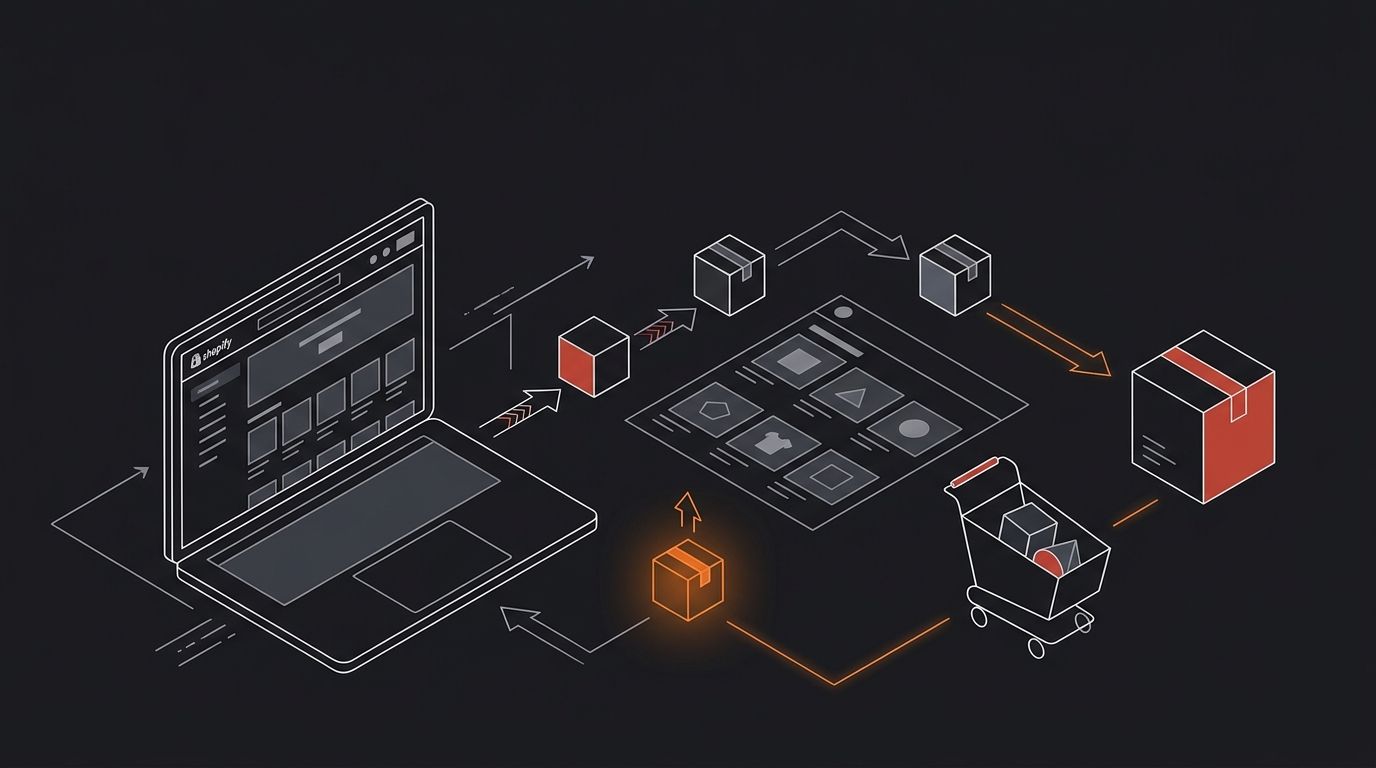
Configuring a Shopify dropshipping store from account creation through first live product takes roughly 90 minutes across six steps.
Category
71 articles in Guides.

Configuring a Shopify dropshipping store from account creation through first live product takes roughly 90 minutes across six steps.

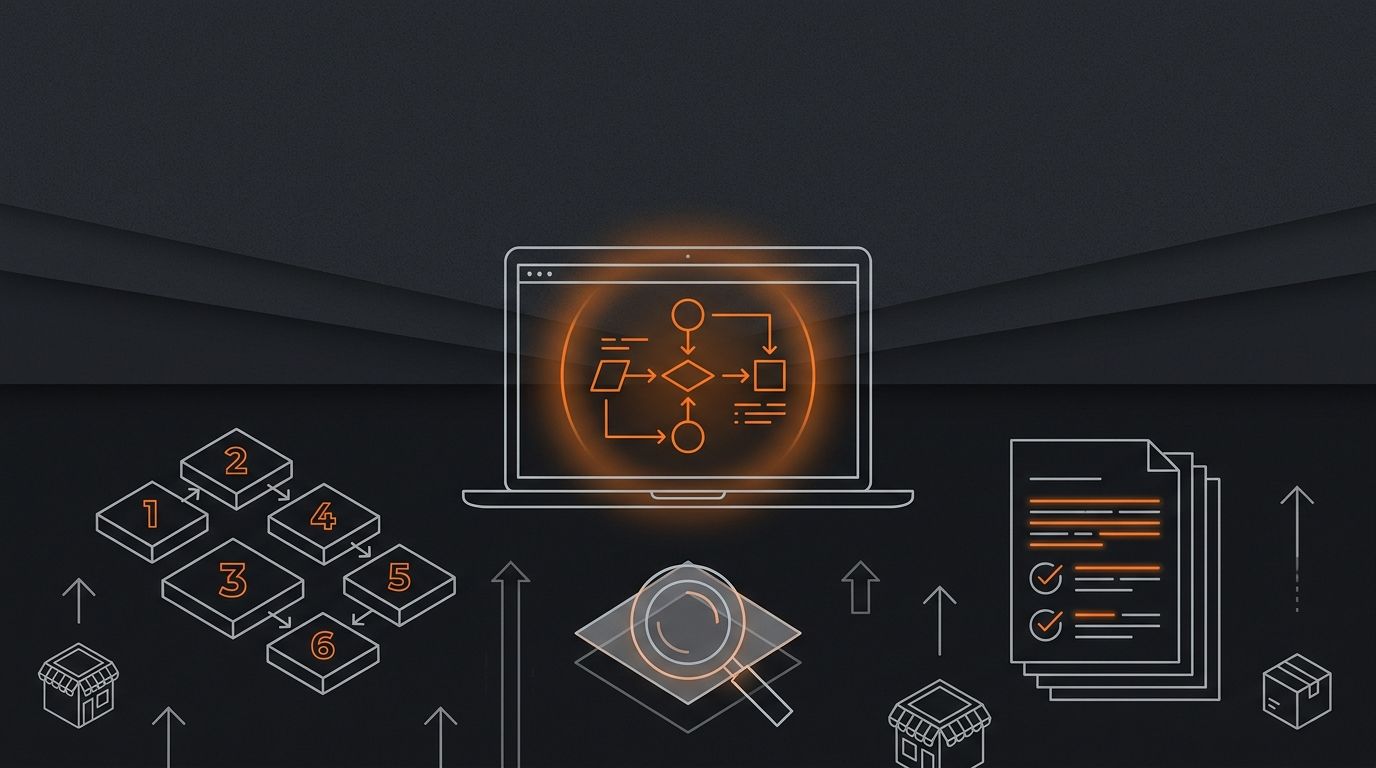
Writing effective software user guides requires six sequential steps: audience mapping, task-based outlining, plain-language drafting, visual annotation, live usability testing, and release-synced maintenance.

Printify supports four sign-in methods (email/password, Google, Apple, and Microsoft) plus two-factor authentication via SMS, email, and hardware tokens, according to a Nudge Security profile of the platform. Here's how to configure each method in under 10 minutes.

The typical dropshipping acquisition falls apart at supplier verification. Buyers audit ad accounts, Shopify analytics, and bank statements within days.

Carrier rate hikes from UPS and FedEx averaged 5.9% for 2026, but surcharges push the real increase to 8–12%. Last-mile delivery absorbs 53% of total shipping costs. Three fulfillment models handle this pressure differently, and choosing wrong erodes margin faster than rising ad costs.

Procurement scoring frameworks use a 0-100 scale where any supplier below 60 earns "red" status, meaning business on hold and corrective action required.

DSers, Spocket, and Zendrop all surface supplier scores built from the same thin data: listing age, order volume, and aggregate star ratings.

Artificial intelligence dropshipping tools can save operators 8 to 20 hours per week on inventory sync, customer support, and pricing adjustments. But the operators who profit from AI follow specific rules about where automation belongs and where it destroys value.

Amazon allows dropshipping through its Fulfilled by Merchant (FBM) program, but the mechanism works differently than most operators expect. You never touch inventory. Your supplier ships directly to customers.

Multiplying your product cost by 1.30 does not give you a 30% profit margin. It gives you a 23% margin, and that seven-point gap is where thousands of ecommerce operators silently lose money every month.

The global dropshipping market is projected to hit $537.8 billion in 2026, expanding at a 23.6% compound annual growth rate through 2032. Dropshipping is an ecommerce fulfillment model where you sell products online without purchasing or storing inventory.

A tariff shock that eliminates the de minimis exemption and adds 10% to landed costs can collapse a dropshipping store's gross margin from a workable 30-35% to the low 20s overnight.