5 Supplier Communication Failures That Collapse Margins Mid-Campaign (And the SOP to Fix Each One)
Sixty percent of dropshipping stores that attempt to scale fail due to supply chain instability—inventory gaps, cost swings, quality drift—according to Spocket's analysis of DSers data.
5 Supplier Communication Failures That Collapse Margins Mid-Campaign (And the SOP to Fix Each One)
Sixty percent of dropshipping stores that attempt to scale fail due to supply chain instability—inventory gaps, cost swings, quality drift—according to Spocket's analysis of DSers data. Each of those failure categories traces back to a specific, fixable breakdown in supplier communication that a documented SOP would have caught.
How the Damage Compounds Before You Notice
Why does a 3% COGS increase from a supplier hurt more than a 3% drop in conversion rate? Because by the time you discover it, you've already committed ad spend against the old margin math. A $25 product with 40% gross margin ($10 gross profit) loses 30% of that profit from a single unannounced $3 cost increase. Multiply that across 500 orders mid-campaign and you've burned $1,500 in margin you planned to reinvest.
HICX CEO Costas Xyloyiannis described poor buyer-supplier communication as "a strategic vulnerability that compounds costs across every aspect of the business" after his firm's 2024 survey found 98% of suppliers demanding better communication from their largest customers. The compounding is the critical word. One miscommunicated product specification has been documented costing an electronics importer $180,000 in relabeling and three weeks of delayed sales. A compliance miscommunication generated a $2.3 million inventory loss in a separate case.
Those are enterprise numbers, but the math scales down proportionally. A $180 relabeling disaster at the solo-operator level still wipes your campaign profit for the month.
The fix is structural. SaleHoo's supplier management guide recommends you create a simple SOP document for each supplier, noting contact details, order formats, preferred shipping methods, and payment terms. Below are the five specific SOPs you need, each mapped to the communication failure it prevents.
1. Price Increases That Land After Ad Spend Is Locked
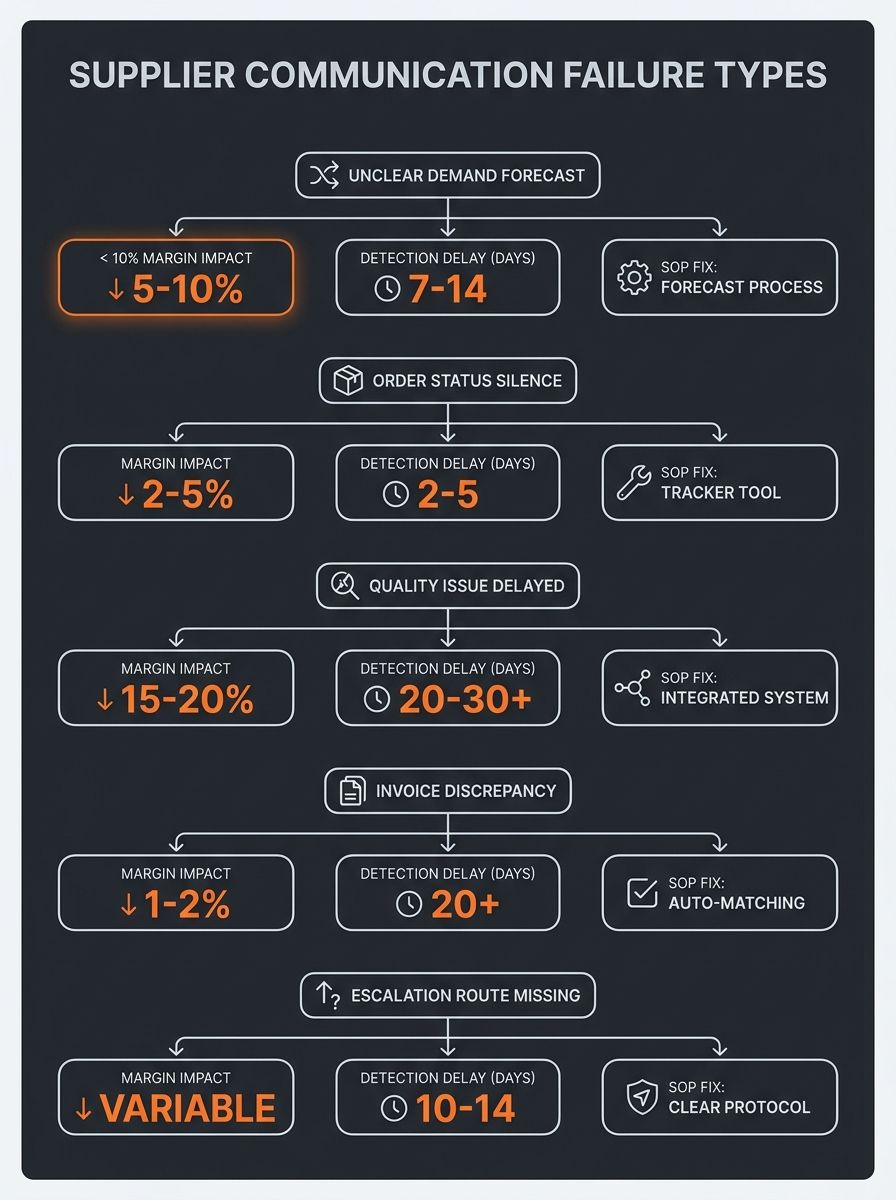
The failure: your supplier raises COGS by 5-15% and you find out when the next invoice arrives, two to four weeks after you've committed $2,000-$10,000 in ad budget at the old margin assumptions. For stores running on the thin 15-20% net margins typical of dropshipping, a 10% COGS increase can flip a profitable SKU to break-even overnight.
As CPG pricing experts note, cost spikes "can turn a top-performing SKU into a cash drain without warning," and the standard defense is to negotiate contracts when volume allows and always have a backup supplier option.
SOP: Price Confirmation Protocol
Before launching or scaling any paid campaign, send your supplier a standardized price confirmation request. The message includes: current agreed unit price, your expected order volume for the next 30 days, and a direct question asking whether any price changes are planned within that window. Store the reply (screenshot or email forward) in your supplier file. If the supplier cannot guarantee pricing stability for 30 days, you either build a 10% COGS buffer into your ad ROAS targets or you pause scaling on that SKU. If you're tracking suppliers systematically, building a scorecard in Shopify metafields gives you a place to log confirmed vs. actual COGS per supplier over time.
Response window: Supplier confirms pricing within 48 hours of your request, or the SKU doesn't enter the campaign.
2. Stockouts Discovered Through Customer Complaints
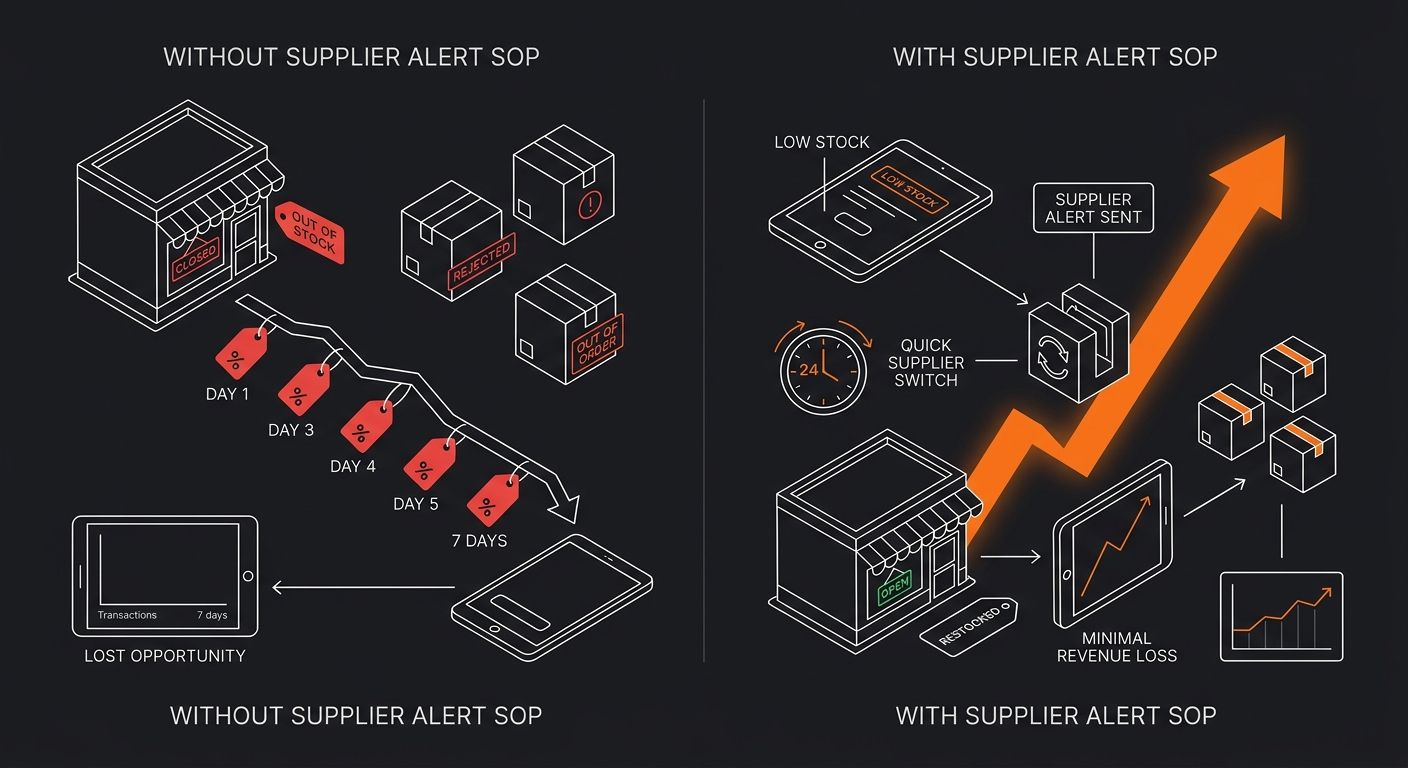
Silent stockouts destroy campaigns in two directions simultaneously. You lose the immediate revenue from orders you can't fulfill, and your ad platforms keep spending against inventory that doesn't exist. A one-week stockout mid-campaign at 50 orders per day and $12 average profit per order costs you $4,200 in lost gross profit, plus the ad spend that drove those unfulfillable clicks.
DSers' own research attributes 60% of scaling failures to supply chain instability, with inventory gaps as the primary mechanism. Lisa Sallstrom of ASCM has emphasized that the shift from transactional supplier management to collaborative SRM is essential for supply chain resilience, particularly around inventory visibility.
SOP: Inventory Alert Agreement
At onboarding, establish a written agreement that your supplier notifies you when stock on any active SKU drops below a threshold you define (typically 14 days of your average order velocity). For a SKU selling 20 units per day, the alert threshold is 280 units remaining. Include the notification method (WeChat, email, Skype, whatever channel you've agreed on) and the maximum response delay: 24 hours from when they detect the low-stock condition.
This is where having a backup supplier network becomes a margin insurance policy rather than an abstract idea. If your primary supplier trips the inventory alert, you route to your secondary within 24 hours instead of scrambling for three days.
3. Product Spec Drift Between Sample and Fulfillment
You order test units, they look good, you launch. Sixty days later, customer reviews mention different materials, lighter weight, or packaging that doesn't match your listing photos. The supplier quietly swapped a component or changed packaging and never told you. Your return rate climbs from 5% to 12%, and the hidden cost of those returns eats margin faster than a COGS increase would.
Up to 95% of new dropshippers close within the first month, according to Launchese's industry analysis, and quality inconsistency is one of the key drivers that makes customers never return. The lifetime value destruction from spec drift is nearly impossible to recover.
SOP: Spec Lock Document
After your test order audit, create a one-page spec sheet per SKU. Include: weight (in grams), dimensions, material composition, packaging type, any certifications or labels, and 3-5 reference photos. Send this to your supplier with explicit language: "Any change to these specifications requires written approval from us before shipping." Store their acknowledgment.
Schedule a re-verification test order every 90 days on your top 10 SKUs by revenue. Compare against the spec lock document. If you want a structured approach to what to measure in those test orders, the pre-launch audit framework applies equally well to ongoing QC checks.
4. Shipping Timeline Creep With No Notification
A furniture importer found that communication-related delays accounted for 23% of their annual logistics costs. In dropshipping, shipping timeline creep hits differently because your customer expectation is already set. If your listing promises 7-12 day delivery and your supplier silently shifts from a 3-day processing time to a 7-day one, your actual delivery window blows out to 14-19 days. Chargebacks, refund requests, and negative reviews follow.
SOP: Weekly Fulfillment Cadence Check
Every Monday, message your active suppliers with a standardized fulfillment check: "What is your current average processing time for orders placed this week? Any delays expected due to holidays, factory schedules, or carrier changes?" Log the responses. If processing time exceeds your listing's promised window by more than 48 hours, you either update your listing or pause ads on affected SKUs.
For stores with multiple suppliers, understanding how your platform's order routing logic works determines whether a single slow supplier cascades delays across unrelated orders.
Response window: Supplier responds within 24 hours of your Monday check-in. No response by Tuesday EOD triggers an escalation to your backup supplier for that SKU.
5. Labeling and Compliance Mismatches That Void Entire Shipments
The $2.3 million compliance miscommunication loss documented in supply chain case studies represents the extreme end. At dropshipping scale, a labeling mismatch is more likely to cost you $500-$3,000 in held customs shipments, reshipping fees, and lost sales during the delay. If you're selling cross-border and navigating tariff math, compliance labeling errors add friction to an already complex cost structure.
SOP: Compliance Checklist by Market
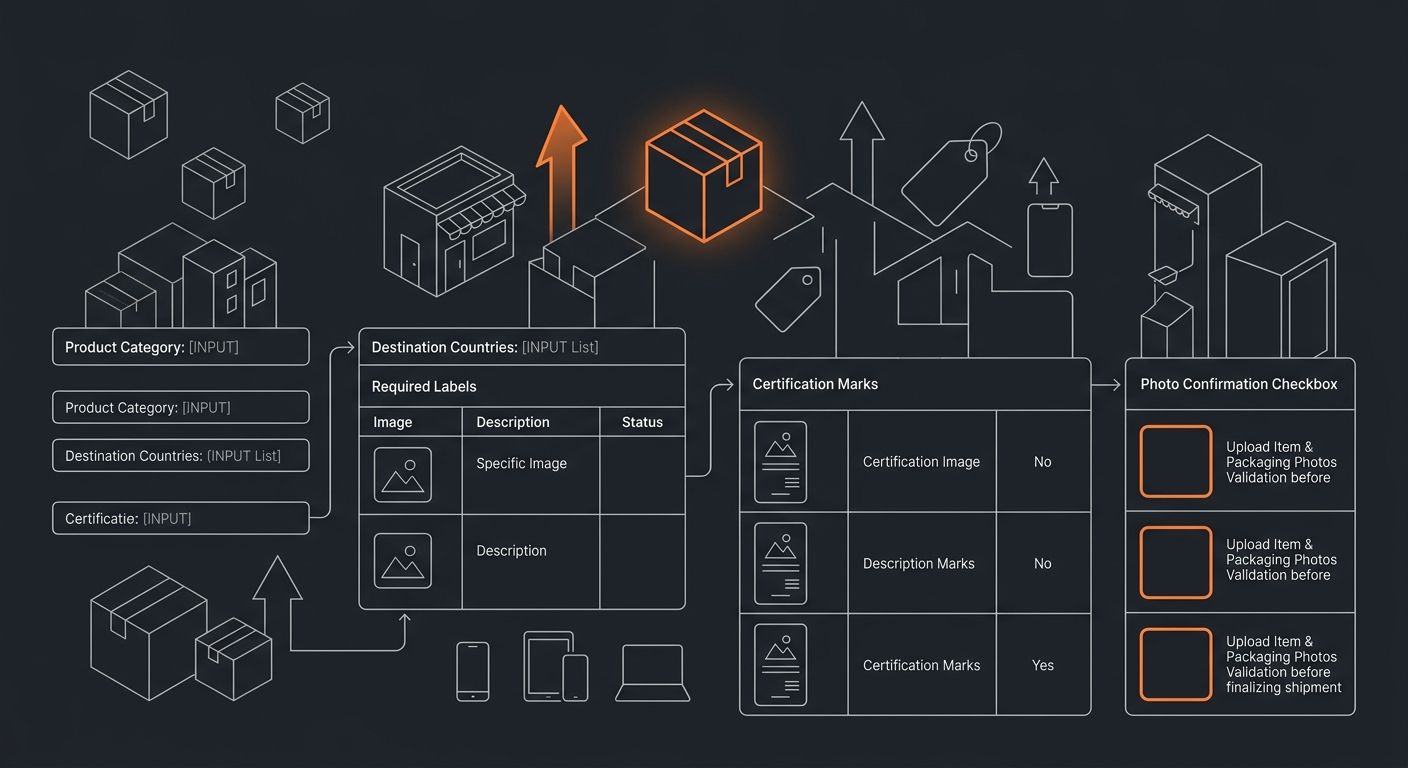
Build a one-page compliance checklist for each country you ship to. US shipments need specific labeling for textiles (fiber content, country of origin), electronics (FCC compliance markings), and cosmetics (FDA ingredient listing). Send the relevant checklist to your supplier with every new SKU order and require photo confirmation of applied labels before the shipment leaves their facility.
This checklist takes 30 minutes to build per market. It prevents multi-week customs holds that zero out your margin on every unit in that shipment.
Failure Type | Typical Margin Hit per Incident | Detection Delay Without SOP | SOP Response Window |
|---|---|---|---|
Unannounced price increase | 15-30% of gross profit per unit | 2-4 weeks | 48 hours pre-campaign |
Silent stockout | $4,200+ per week at 50 orders/day | 3-7 days | 24 hours from low-stock |
Spec drift | 7%+ increase in return rate | 30-90 days | 90-day re-verification cycle |
Shipping timeline creep | 23% of logistics costs (documented) | 1-2 weeks | Weekly Monday check-in |
Compliance/labeling mismatch | $500-$3,000 per held shipment | Days to weeks at customs | Photo confirmation pre-ship |
Where The Data Gaps Still Sit
The 60% scaling failure rate from DSers, the $180,000 relabeling case, the 23% logistics cost attribution from communication delays: these numbers paint a clear picture of the damage. They don't tell you how many failures go undetected. NetSuite's margin leakage research points out that margin erosion is often a symptom of poor data and weak management discipline, not a problem you can observe directly in your P&L until it's already compounded.
The supplier communication failures described above share a pattern: the damage happens during a gap between when the supplier knows something changed and when you find out. Every SOP in this article targets that gap. But no industry dataset currently tracks the average length of that communication delay across dropshipping operations, or the cumulative margin erosion it causes per store per year. The HICX survey showing 98% of suppliers wanting better communication from buyers suggests the problem is bilateral, and suppliers themselves would benefit from the structure.
If you track the five SLAs above across your active suppliers for 90 days, you'll generate the missing data for your own operation. The stores running 15-20% net margins can't afford to wait for industry benchmarks to catch up with what their invoices already show.
365 Dropship Editorial
Editorial team writing about E-commerce, dropshipping, and product discovery — reviews of dropshipping suppliers and platforms, trending niche guides (jewelry, beauty, pets, home, fashion), supplier due diligence, ecom operations, shipping & fulfillment strategy, product research, AOV optimization, and profitable dropshipping case studies.
Related Articles

The Supplier Audit Flowchart: Isolating Root Cause When Your Dropshipping Margins Collapse Mid-Campaign
When a Meta campaign producing $11 contribution margin per unit on day three drops to $3.40 by day fourteen, the instinct is to blame the ad creative or the audience. The ad account gets the autopsy. The supplier rarely does.
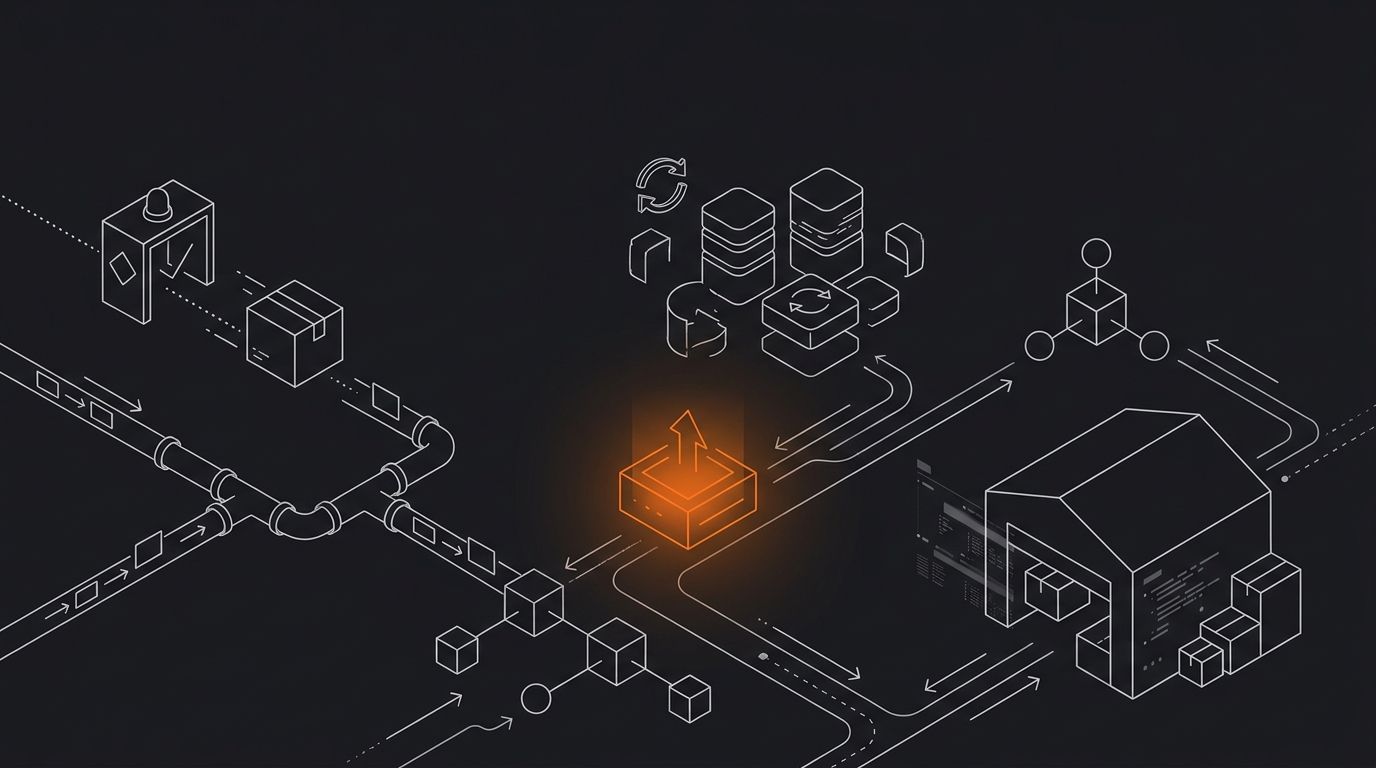
Why Your Supplier Is Handling More Than You Think: The Hidden Data Flow Between Order and Fulfillment
Between your customer's checkout click and the tracking email that arrives hours later, six to twelve discrete data transfers fire across your store, middleware, supplier systems, and shipping carriers.
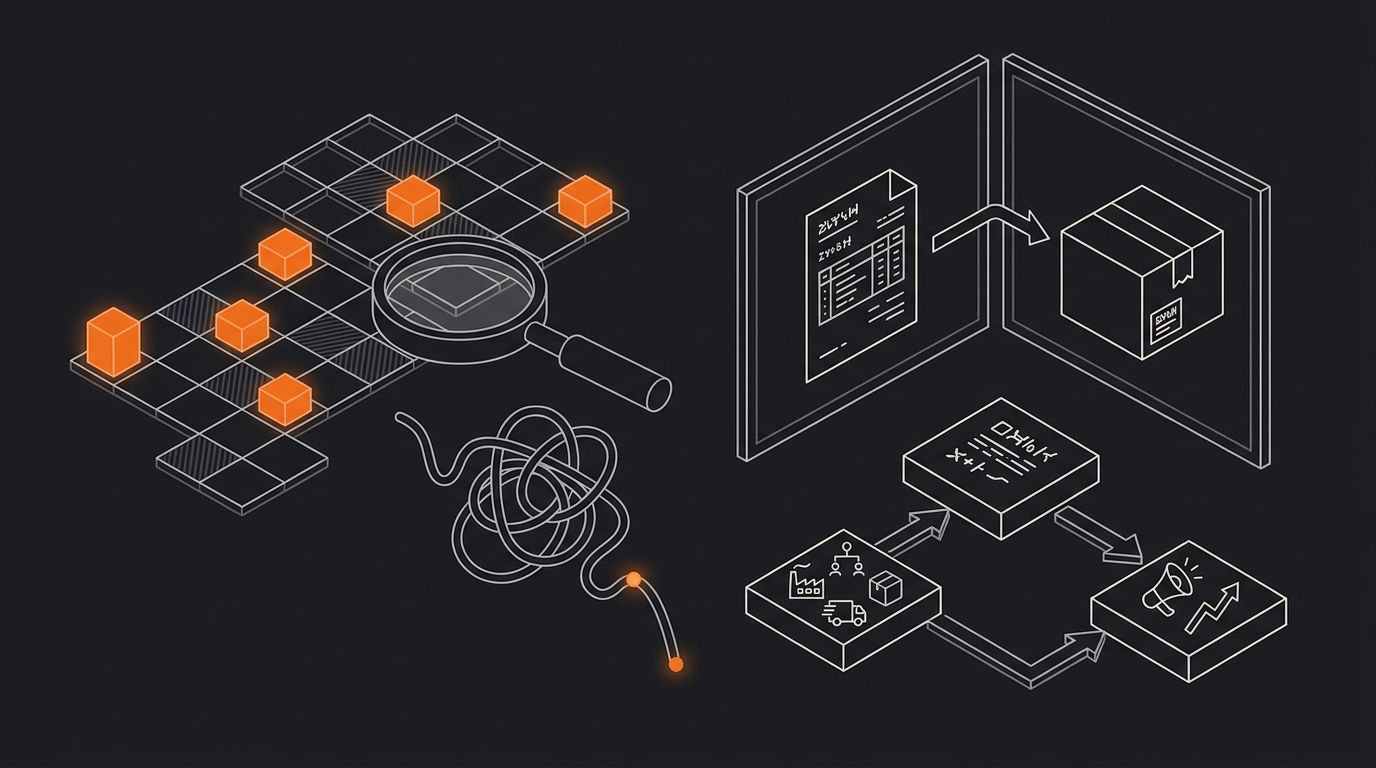
Why Marketing Failures Masquerade as Supplier Problems: How to Audit Your Ad Spend Before Blaming Your Dropshipping Partner
Break-even ROAS for a typical dropshipping campaign sits around 1.95x, meaning for every dollar you spend on Facebook or TikTok ads, you need $1.95 back in revenue just to cover product cost, shipping, and platform fees.
Explore more topics