The KPI Hierarchy: Which Metrics Actually Matter When You're Managing 5+ Suppliers
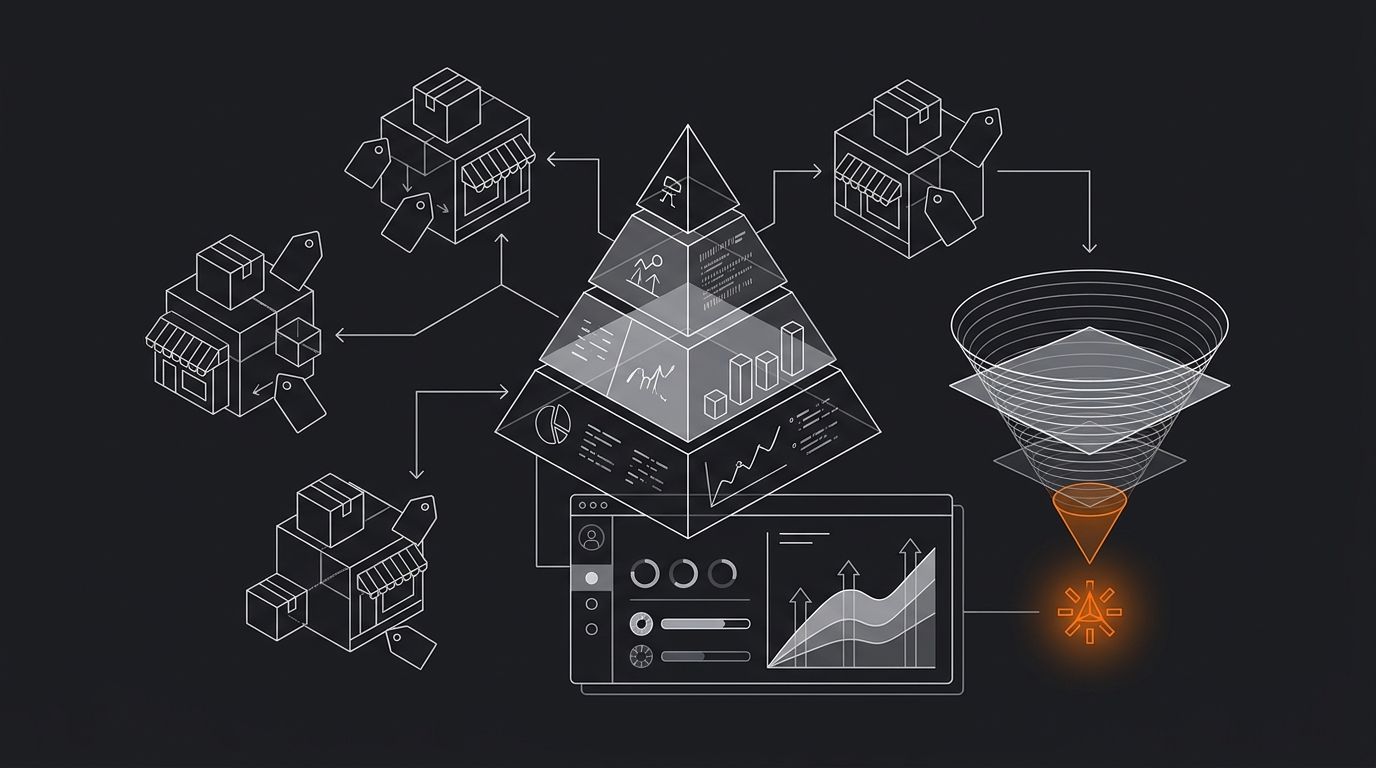
Scorecard tools from platforms like Tradogram, SourceDay, and Ramp default to equal weighting across four categories: quality, delivery, cost, and service.
Tag
22 articles

Scorecard tools from platforms like Tradogram, SourceDay, and Ramp default to equal weighting across four categories: quality, delivery, cost, and service.

Procurement scoring frameworks use a 0-100 scale where any supplier below 60 earns "red" status, meaning business on hold and corrective action required.

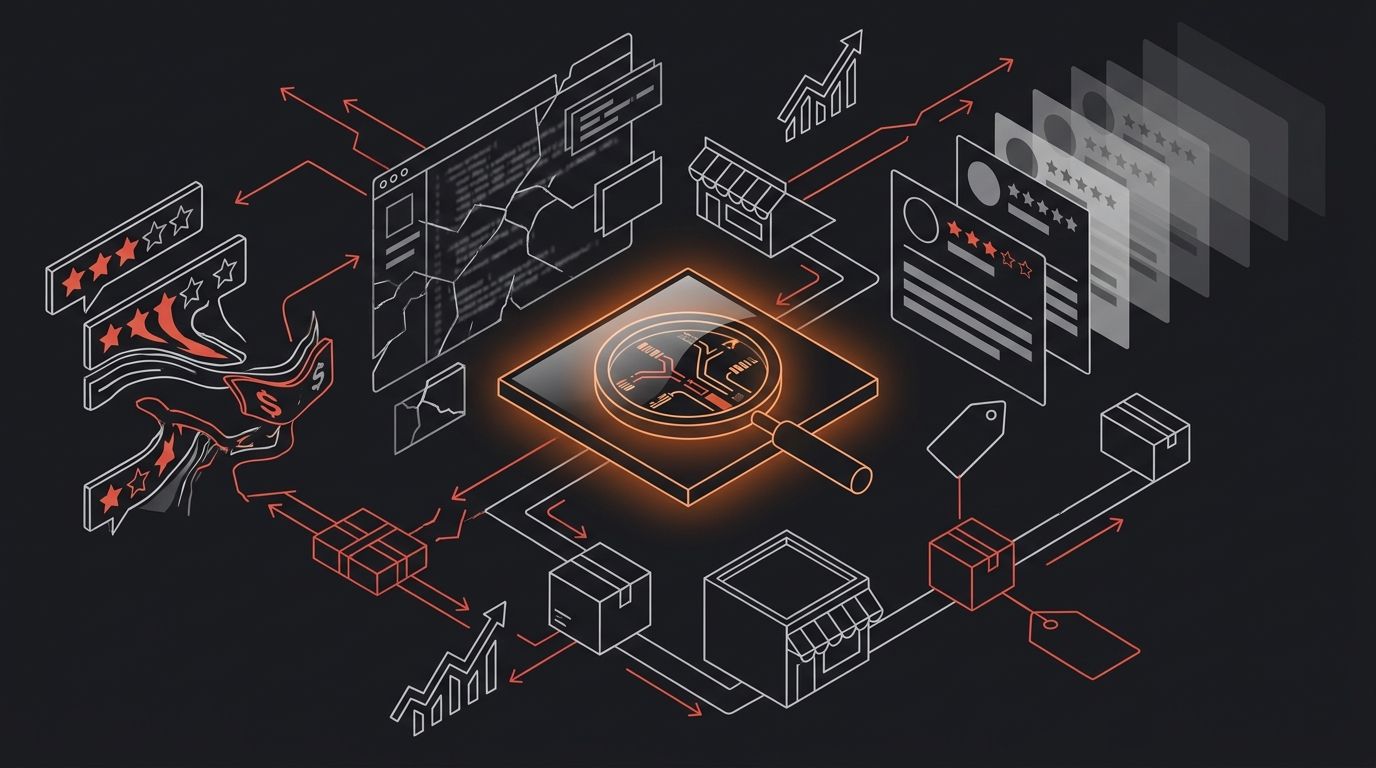
DSers, Spocket, and Zendrop all surface supplier scores built from the same thin data: listing age, order volume, and aggregate star ratings.

A tariff shock that eliminates the de minimis exemption and adds 10% to landed costs can collapse a dropshipping store's gross margin from a workable 30-35% to the low 20s overnight.

Review aggregators earn subscription and per-order fees from the supplier relationships they're supposed to objectively rate. Platforms like Spocket, Modalyst, and Doba display quality scores as neutral assessments.

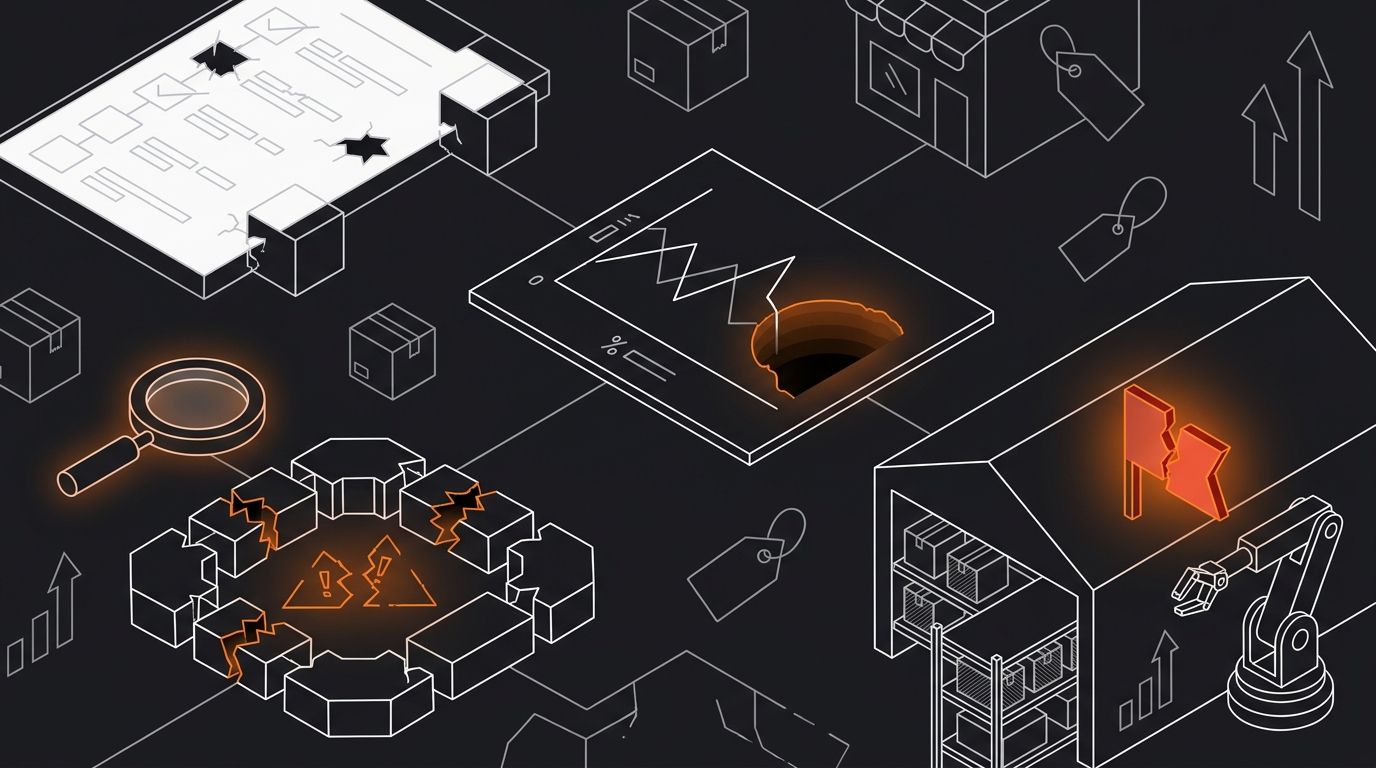
Sixty percent of dropshipping stores that attempt to scale fail due to supply chain instability—inventory gaps, cost swings, quality drift—according to Spocket's analysis of DSers data.

Shopify metafields accept text, integers, dates, decimals, ratings, and JSON on every product, variant, order, and customer record.

Industry data from 2025 shows that 72% of businesses experienced at least one major supply chain disruption caused by underperforming suppliers.

A pre-launch supplier audit should measure defect rates, packaging accuracy, documentation completeness, tracking validity, and invoice consistency alongside delivery time. Amazon enforces Order Defect Rates below 1% and Valid Tracking Rates above 95% Valid Tracking.

Doba Pilot's May 22 upgrade, DSers' Supplier Optimizer, and TeemDrop's fulfillment-routing engine represent three competing visions of AI dropshipping sourcing.

A backup supplier you've never routed a live order through is functionally identical to having no backup at all. The spreadsheet of "alternative vendors" sitting in your Google Drive doesn't constitute a backup supplier strategy; it's a wish list.

Dropshippers who concentrate 50% or more of total spend with one supplier face margin compression, zero fallback options, and full business exposure the moment that source raises prices or goes offline.