SendFromChina Publishes DDP Shipping Breakdown for Ecommerce Sellers Weighing Customer Experience Against Import Cost Absorption
SendFromChina released a DDP (Delivered Duty Paid) shipping guide on July 14 breaking down when ecommerce sellers should prepay import duties and taxes versus passing those charges to customers at delivery, according to the fulfillment platform's news center.

SendFromChina Publishes DDP Shipping Breakdown for Ecommerce Sellers Weighing Customer Experience Against Import Cost Absorption
SendFromChina released a DDP (Delivered Duty Paid) shipping guide on July 14 breaking down when ecommerce sellers should prepay import duties and taxes versus passing those charges to customers at delivery, according to the fulfillment platform's news center. The 2,400-word resource covers workflow mechanics, data preparation requirements, and cost-versus-experience tradeoffs for Shopify merchants, DTC brands, and crowdfunding operators shipping from China to the EU, UK, US, Canada, and Australia.
DDP arrangements let sellers absorb or prepay customs duties, VAT, GST, and brokerage fees so buyers receive parcels without surprise charges at the door. The guide positions DDP as a strategic choice for high-value orders, subscription boxes, electronics accessories, and cross-border brands prioritizing clean delivery over per-parcel margin, contrasting it with DDU (Delivered Duty Unpaid) and DAP (Delivered at Place) terms where the buyer handles import fees.
What the Guide Documents
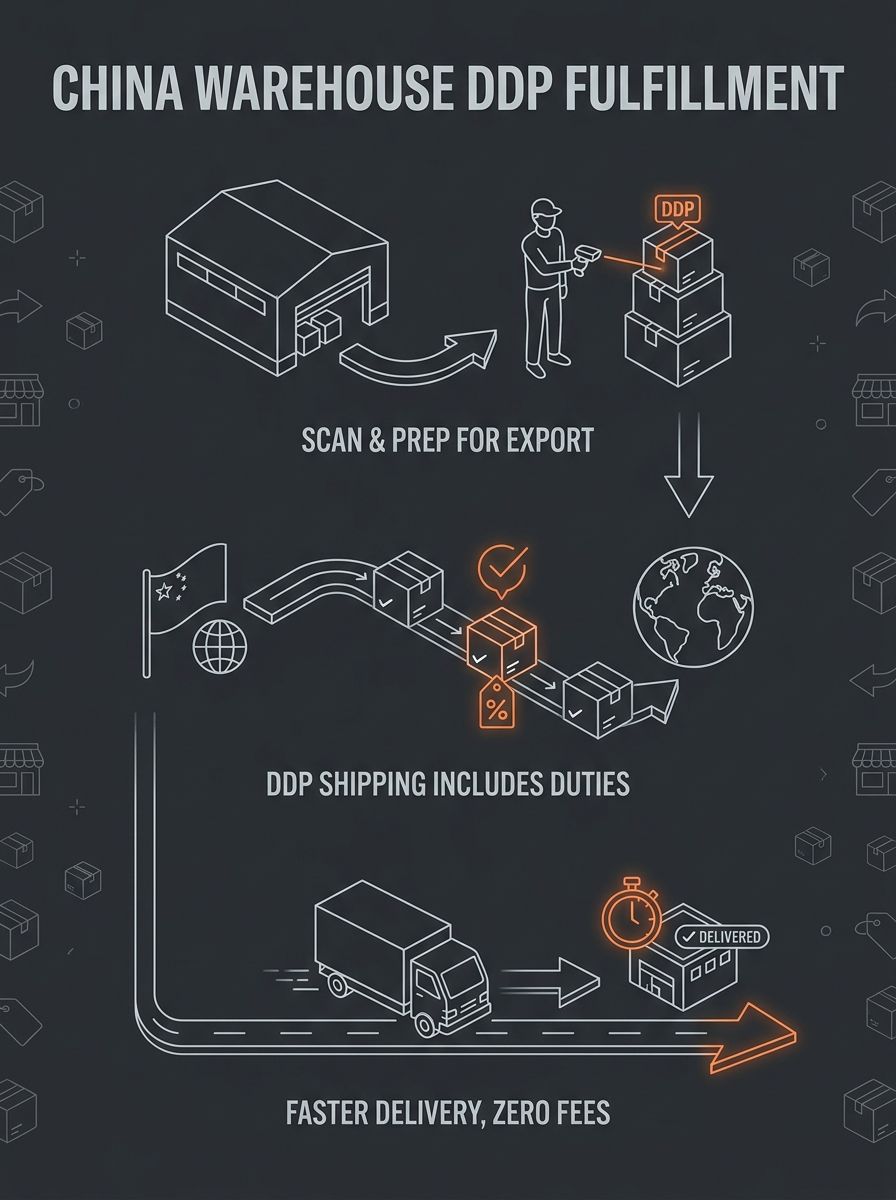
SendFromChina's breakdown segments DDP fulfillment into five workflow steps: product data preparation, duty calculation, export from China, customs clearance, and last-mile handoff. The platform flags HS code accuracy as the primary failure point—poor product classification triggers customs holds even under DDP arrangements, according to the guide.
Product data requirements include HS codes, declared value, country of origin, material composition, battery status, and quantity. The guide references the International Chamber of Commerce Incoterms rules as the formal definition source for trade terms, noting that ecommerce sellers apply "DDP" in a parcel-shipping context where the merchant prepays charges the customer would otherwise face upon delivery.
Import cost components under DDP include import duty, VAT or GST, customs clearance fees, brokerage fees, processing fees, and carrier-specific import charges. The amounts vary by destination country and product category. SendFromChina provides a comparison table contrasting DDP (seller pays duties), DDU (buyer pays duties), and DAP (buyer pays duties, modern replacement for DDU under 2010 Incoterms).
When DDP Makes Sense
The guide identifies refused parcels, chargebacks, and support ticket volume as the core problems DDP solves. Surprise duty bills at delivery create customer friction, according to the resource. Brands selling into VAT-heavy markets like the EU see higher refusal rates under DDU terms.
SendFromChina lists target use cases: Shopify stores, DTC brands, crowdfunding rewards (Kickstarter fulfillment cited specifically), subscription boxes, electronics accessories, mobile accessories, apparel orders, and high-value parcels. The guide notes DDP is "not magic" and warns it shifts classification risk and upfront cost to the seller. Incorrect HS codes or undervalued declarations can trigger audits or penalties even when the seller intended to cover all import charges.
The platform's existing order fulfillment and value-added services support DDP workflows, including picking, packing, labeling, export documentation, and route selection. SendFromChina offers a tracking tool for monitoring parcel movement post-dispatch. The guide does not publish specific DDP service pricing but frames the decision as a margin-versus-experience calculation similar to shipping speed tradeoffs detailed in earlier 2026 operator research.
Data Preparation and Customs Workflow
Step one of the DDP process requires merchants to provide product name, description, HS code, declared value, origin country, materials, battery status, quantity, destination country, and buyer information. The guide emphasizes clean customs data as non-negotiable—DDP depends on accurate classification to calculate duties and clear import inspection.
Step two involves duty and tax estimation by the seller or logistics partner. The calculation includes all import-related fees the customer would otherwise pay. Step three covers export from a China warehouse or supplier location, with the fulfillment partner handling pick-and-pack, labels, and export documents.
Step four—customs clearance—is where DDP arrangements differ from DDU. Under DDP, the seller side pays or arranges import charges before delivery. The buyer should not receive a tax collection request. Step five completes last-mile handoff to the customer, ideally with tracking updates but no payment prompts.
The guide references the World Customs Organization Harmonized System as the official source for HS code lookups. Product classification affects duty rates, tax treatment, and customs review intensity. SendFromChina notes that cross-border logistics coordination has reduced transit variability on major ecommerce routes, but DDP adds an import-side complexity layer independent of shipping speed.
Why This Matters Now
DDP shipping represents a margin-versus-retention tradeoff that independent operators must quantify before locking in logistics contracts for Q4 2026. With EU small-package duty exemptions eliminated as of July 1 and per-item fees now standard, more sellers face import-cost decisions on every parcel rather than only high-value orders. The SendFromChina guide positions DDP as a customer-experience upgrade that reduces refused deliveries and chargeback volume but requires accurate HS classification and upfront capital to cover duties before the customer pays.
For Shopify merchants and solopreneurs evaluating supplier and logistics choices, the guide serves as a checklist: confirm your 3PL supports DDP routing to your target countries, verify HS codes with a customs broker before committing to prepaid duty pricing, and model the per-order cost delta between DDP and DDU using your actual product mix and destination breakdown. The workflow documentation also clarifies data handoff points—sellers using dropship suppliers must ensure product classification data flows cleanly from AliExpress, CJ, or Spocket catalogs into fulfillment provider systems that calculate duties.
SendFromChina's publication follows a broader 2026 pattern of logistics platforms releasing granular shipping-strategy guides as ecommerce operators seek to rebalance cost, speed, and buyer experience amid freight rate inflation and tightening cross-border compliance. The decision to absorb import duties is no longer a luxury-brand lever—it's a retention lever any seller can model with accurate product data and destination-specific duty tables.

Ryan Torres
Ryan Torres is a former Amazon FBA seller turned dropshipping consultant who has generated over $2.8M in ecommerce revenue across 14 product launches. He specializes in supplier vetting, margin optimization, and scaling DTC operations for sub-$1M brands. Ryan focuses on actionable frameworks that drive measurable results for independent operators.
Related Articles
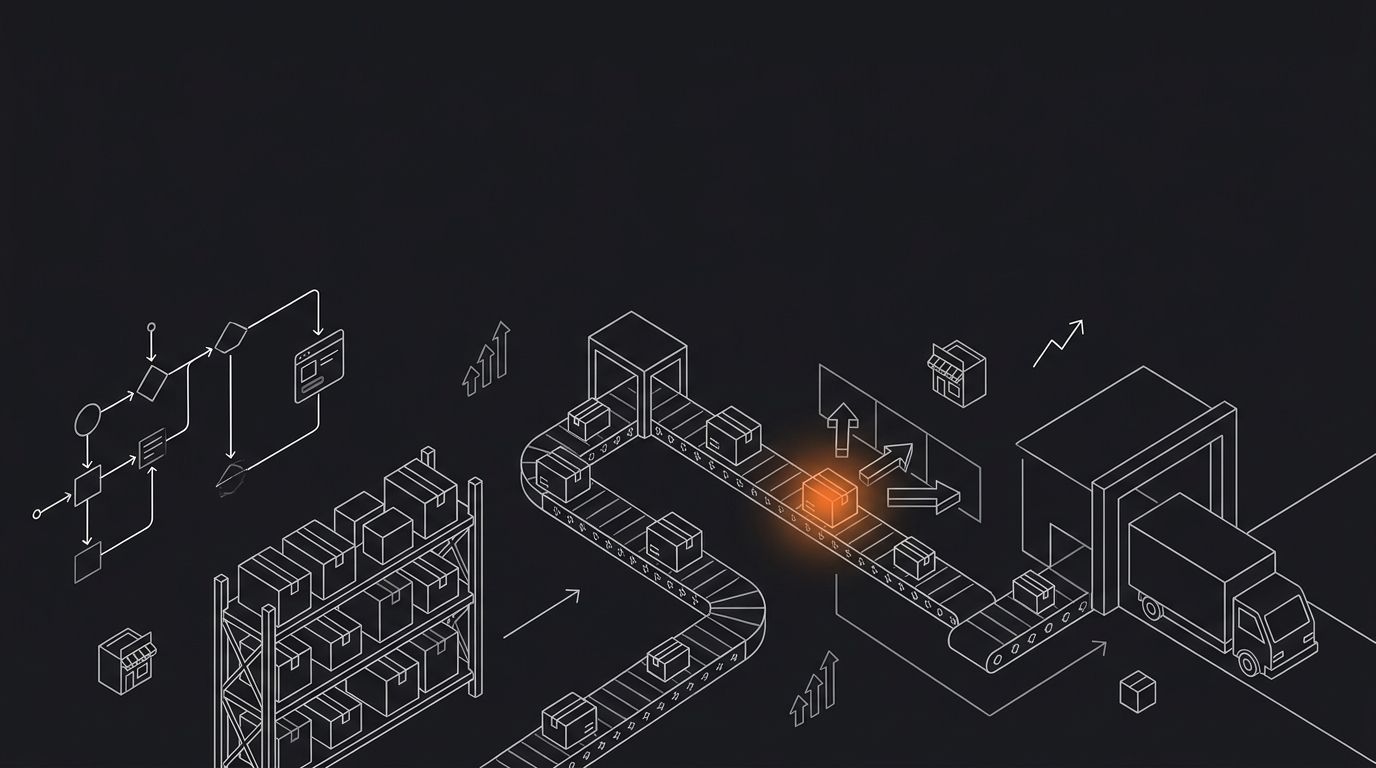
SendFromChina Publishes Six-Step Fulfillment Center Workflow Guide Targeting Ecommerce Operators Evaluating Third-Party Logistics
SendFromChina released a comprehensive fulfillment center guide on July 22, 2026, breaking down warehouse operations into six sequential stages—receiving, storage, order processing, picking and packing, shipping, and returns processing—according to documentation published on the logistics provider's
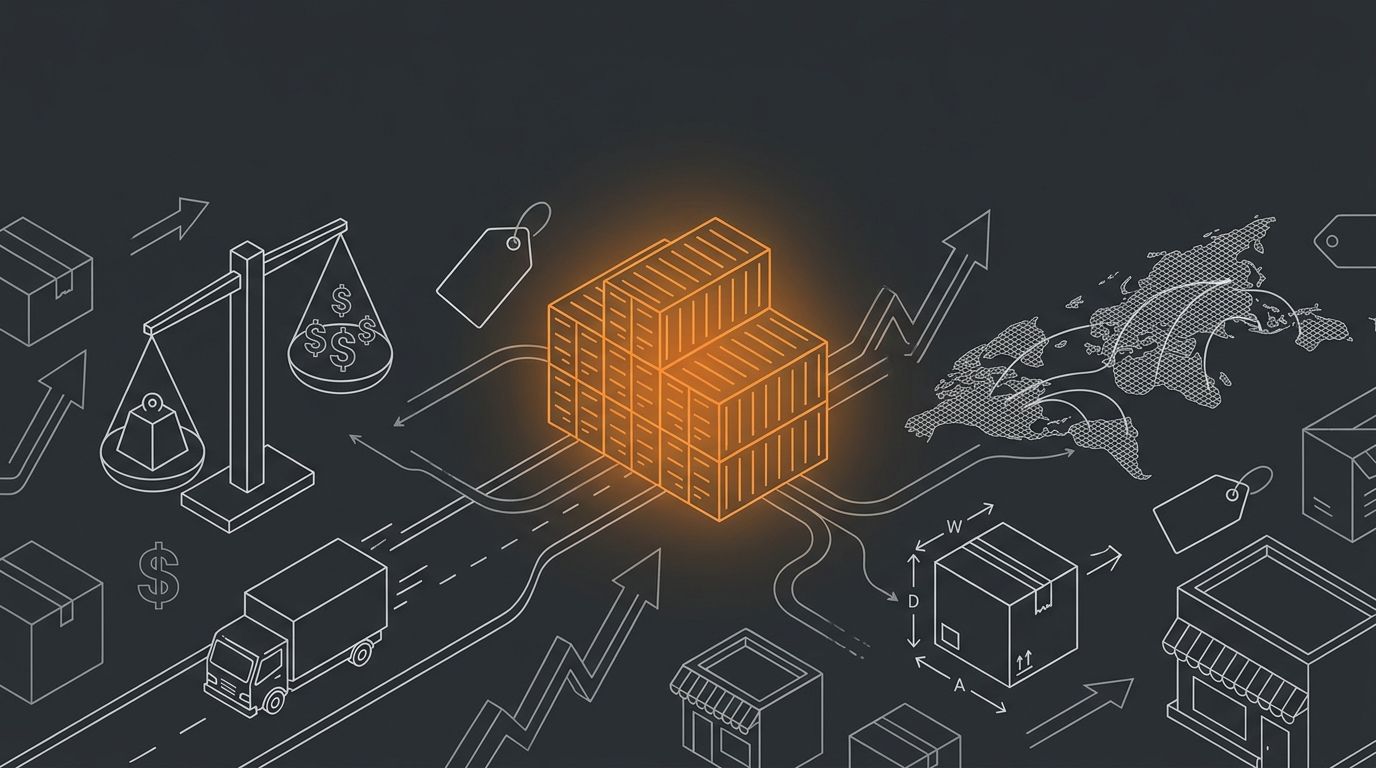
SendFromChina Publishes Seven-Factor Shipping Cost Framework Targeting Dropshippers Managing Delivery Margins
Package weight, dimensions, shipping zones, carrier selection, delivery speed, product type, and insurance requirements form the seven primary cost drivers for ecommerce shipping, according to a comprehensive guide released by SendFromChina on July 20 targeting dropshippers optimizing delivery margi

SendFromChina Publishes Category-Based AliExpress Alternative Guide Segmenting Suppliers by Product Type and Minimum Order Quantities
SendFromChina released a supplier sourcing guide on July 18 breaking down AliExpress alternatives across six product categories—clothing, electronics, home textiles, and smallware—with platform-specific data on minimum order quantities, shipping speeds, and pricing tiers, according to the company's
Explore more topics