AliExpress and Dropshipping: Complete Guide
AliExpress dropshipping is a retail fulfillment method where your online store forwards each customer order to an AliExpress supplier who ships directly to the buyer. You hold zero inventory.
Tag
18 articles
AliExpress dropshipping is a retail fulfillment method where your online store forwards each customer order to an AliExpress supplier who ships directly to the buyer. You hold zero inventory.
AliExpress connects your store to over 100 million products from 300,000+ suppliers, and you never touch inventory.
Three apps dominate AliExpress dropshipping websites: DSers for bulk ordering, AliDrop for US/EU supplier access, and Dropshipman for pre-shipment quality checks. This guide walks you through selecting one, connecting it to your storefront, and placing a verified test order in about four hours.
Every dollar spent on Shopify app subscriptions eats into per-unit profit.
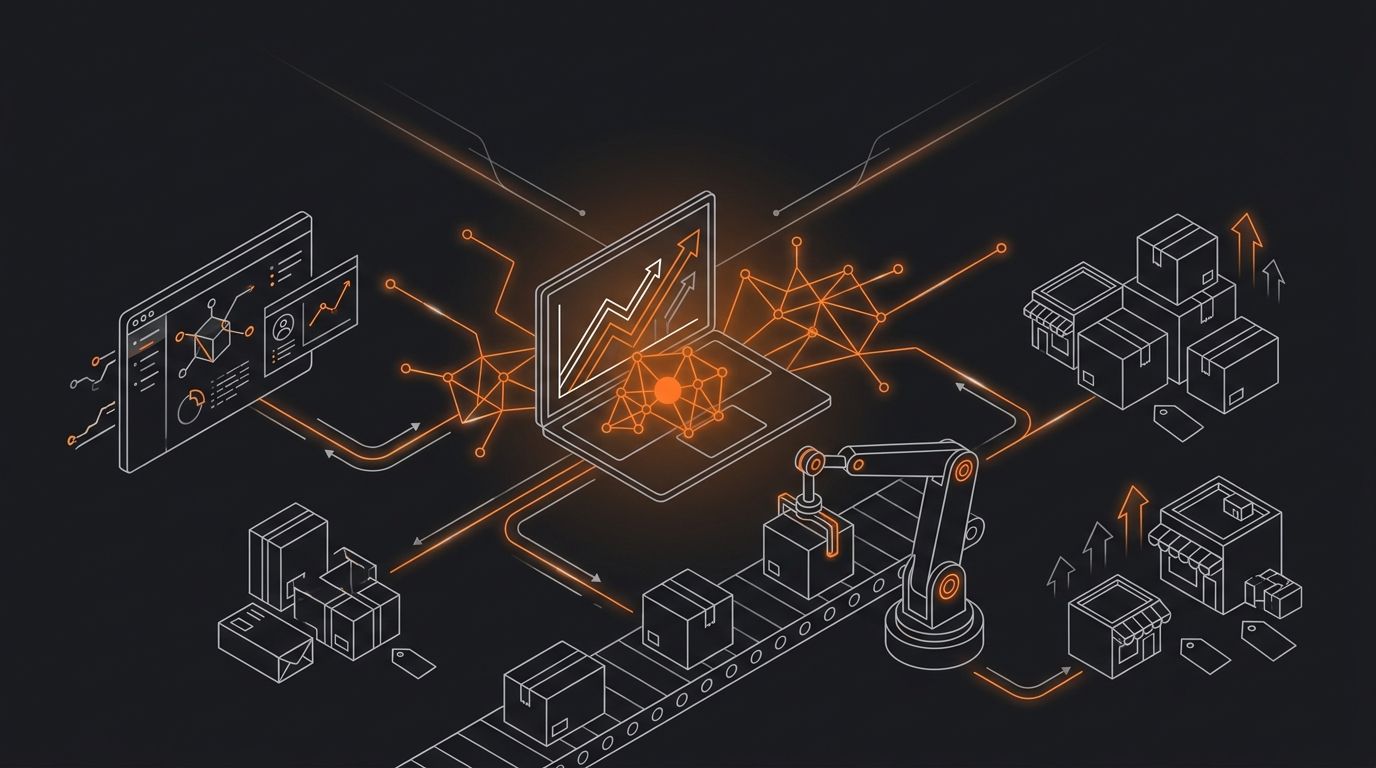
Artificial intelligence dropshipping tools can save operators 8 to 20 hours per week on inventory sync, customer support, and pricing adjustments. But the operators who profit from AI follow specific rules about where automation belongs and where it destroys value.
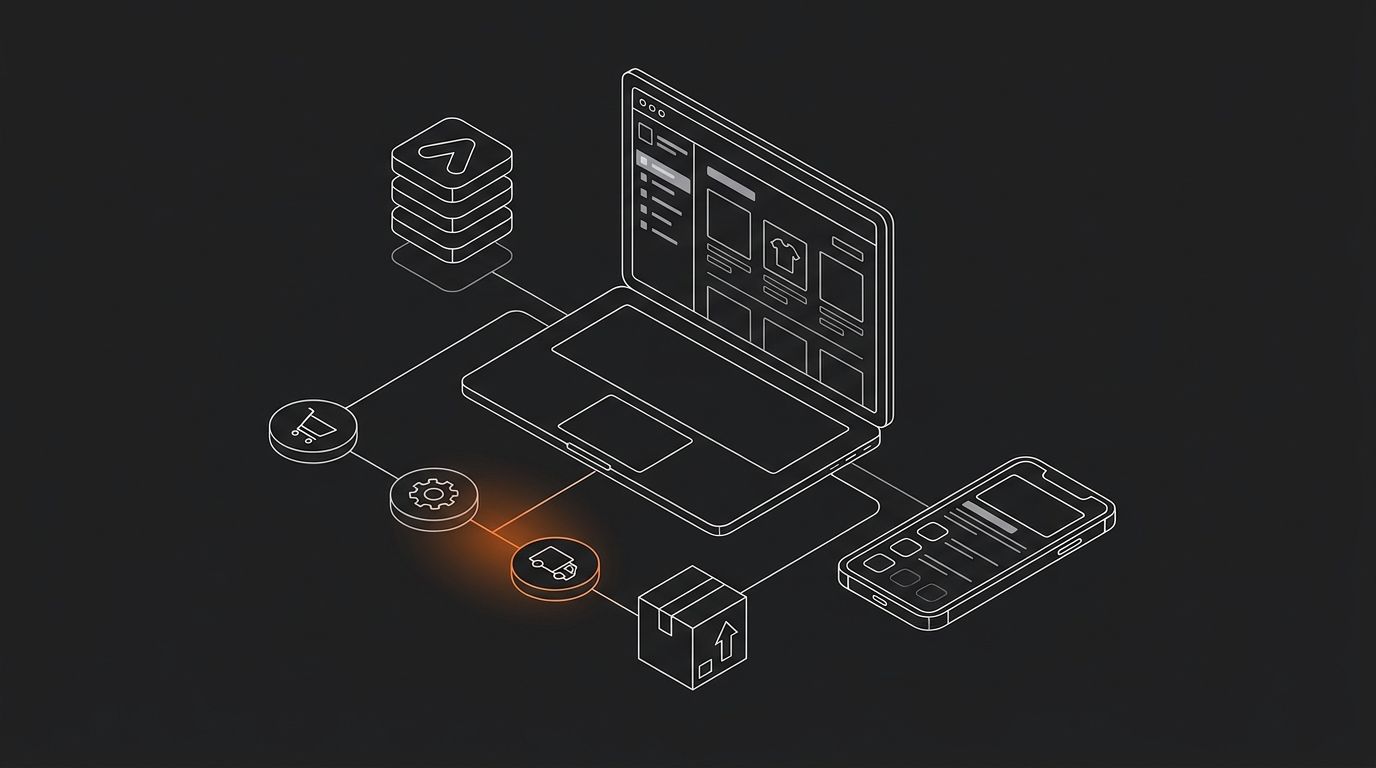
Starting a dropshipping store requires three connected layers: a storefront platform (Shopify leads), a supplier automation app (DSers, Spocket, or Zendrop), and a payment-plus-shipping configuration.
Every dropshipping business built on Shopify, Amazon, Etsy, eBay, or Walmart faces the same registration requirement: formal business filing, a dedicated bank account, and a sales tax permit.
AutoDS outperforms Spocket for margin at scale when stores cross the 200-weekly-order threshold, driven by end-to-end fulfillment automation, access to 500M+ products across 25+ global suppliers, and AI-powered repricing that Spocket's curated US/EU catalog can't match at volume.
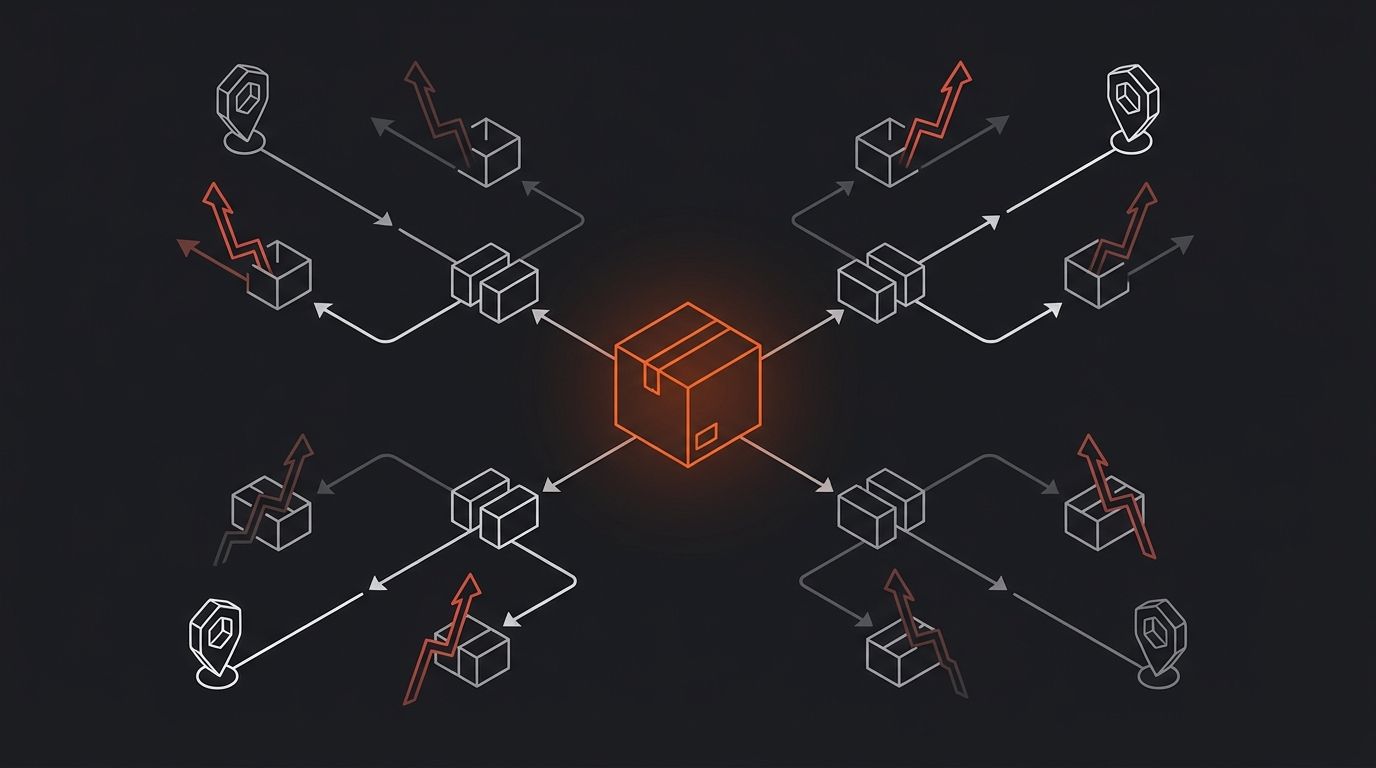
Shopify's order routing system processes every incoming order through a sequential rule stack, checking inventory availability at each configured location from top to bottom.
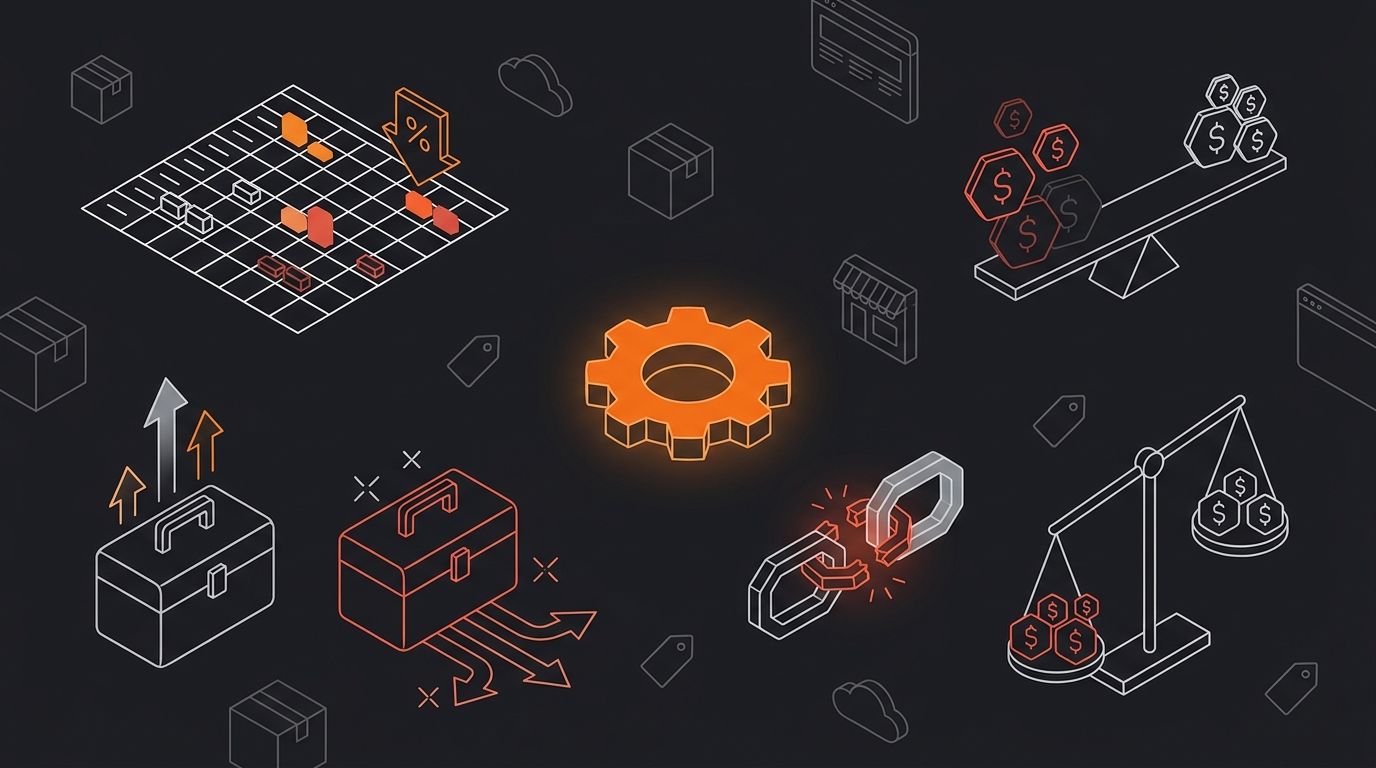
Feature parity — when two automation platforms check the same boxes on a comparison chart — tells you almost nothing about which tool will grow your store's contribution margin.
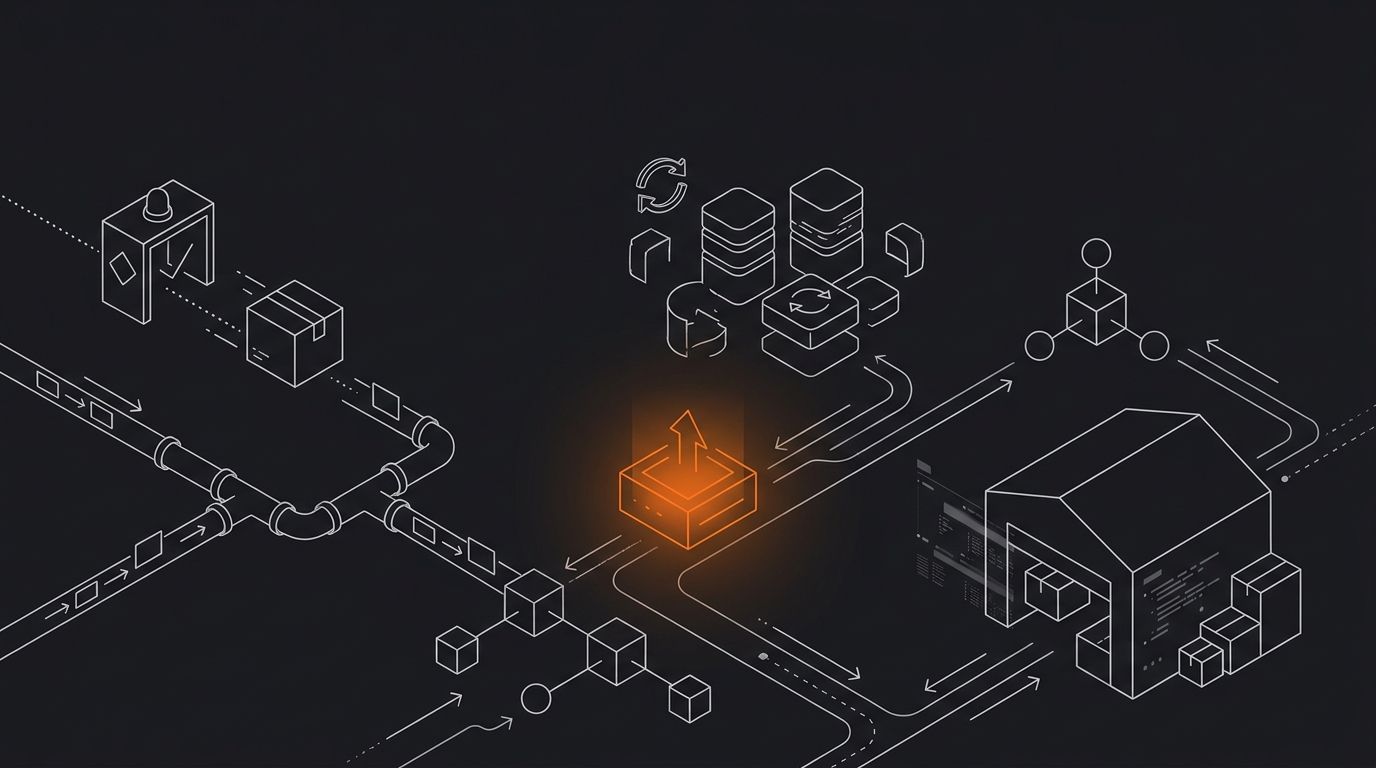
Between your customer's checkout click and the tracking email that arrives hours later, six to twelve discrete data transfers fire across your store, middleware, supplier systems, and shipping carriers.
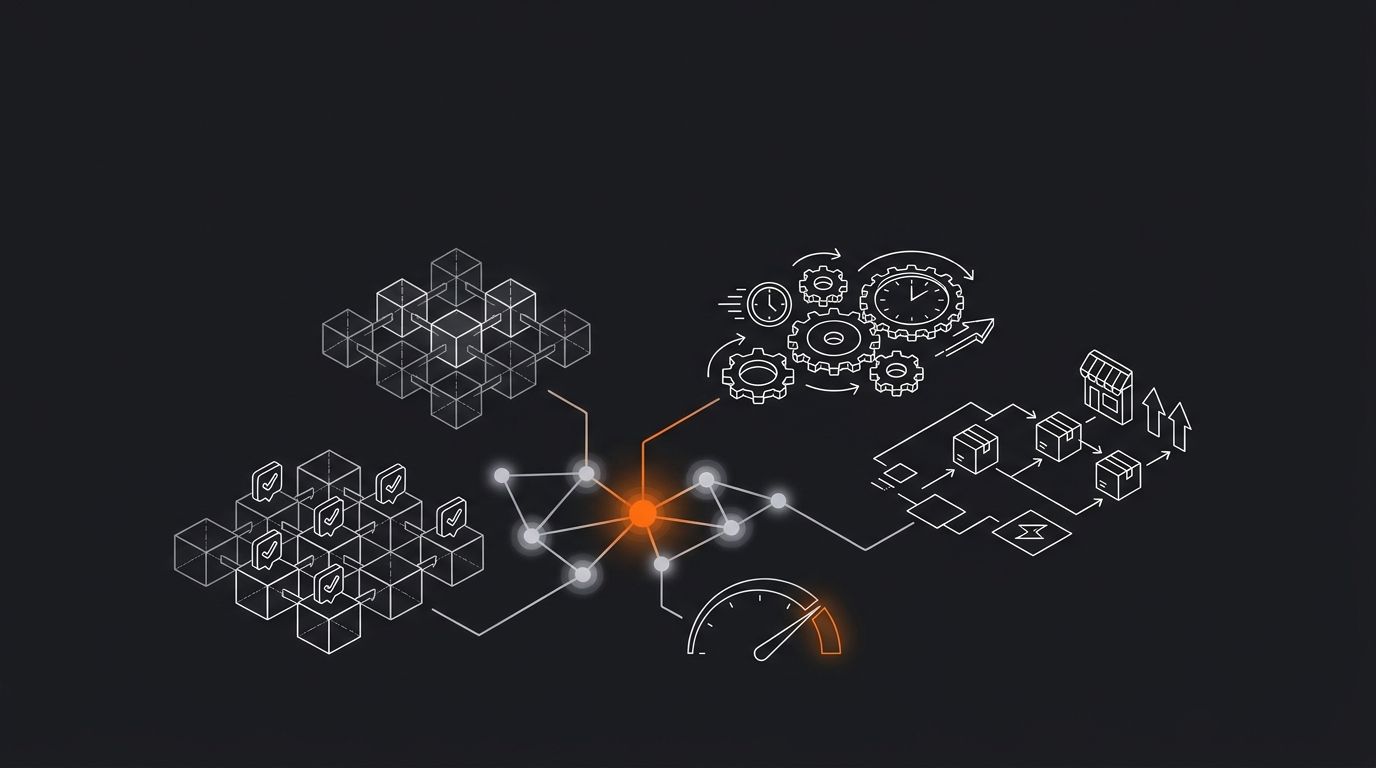
Doba Pilot's May 22 upgrade, DSers' Supplier Optimizer, and TeemDrop's fulfillment-routing engine represent three competing visions of AI dropshipping sourcing.