U.S. Dropshipping Suppliers Are Taking Amazon & Walmart Back: What This Means for Your 2026 Strategy
TopDawg's catalog of 500,000+ products from over 3,000 verified U.S. dropshipping suppliers now integrates directly with Amazon and Walmart seller accounts, according to coverage in LA Weekly and IndyStar published May 6, 2026.
U.S. Dropshipping Suppliers Are Taking Amazon & Walmart Back: What This Means for Your 2026 Strategy
TopDawg's catalog of 500,000+ products from over 3,000 verified U.S. dropshipping suppliers now integrates directly with Amazon and Walmart seller accounts, according to coverage in LA Weekly and IndyStar published May 6, 2026. Three days earlier, Amazon launched Supply Chain Services, opening its freight, warehousing, and last-mile delivery infrastructure to any business on any sales channel. These two announcements dropped in the same week, and together they reshape the sourcing calculus for every marketplace seller still relying on 20-to-40-day shipments from Shenzhen.
The significance comes down to timing. Tariffs on Chinese imports have climbed as high as 145% under current trade measures. Amazon and Walmart are both enforcing stricter compliance around packaging, invoicing, and seller-of-record documentation. And 80% of consumers now expect same-day delivery, with 30% expecting it free. If you're still running a model where your product ships from Guangzhou via ePacket, every one of those forces is working against your margins and your account health simultaneously.
TopDawg and the Domestic Supplier Integration Push
TopDawg's platform connects sellers to U.S.-based wholesalers across categories like home goods, pet supplies, electronics, and beauty. The platform was ranked the #1 U.S. dropshipping supplier of 2026 by multiple industry lists, alongside Spocket for fast domestic shipping and Inventory Source for directory-scale access.
What matters for Amazon dropshipping integration specifically: TopDawg doesn't source from Amazon or Walmart. That sounds like a small detail, but it's the difference between keeping and losing your seller account. Amazon's policy is explicit. If you fulfill orders using products purchased from another retail marketplace, you're engaging in retail arbitrage, and you will get flagged. TopDawg sources from actual wholesale distributors, ships in neutral packaging without third-party branding, and provides proper invoice documentation.
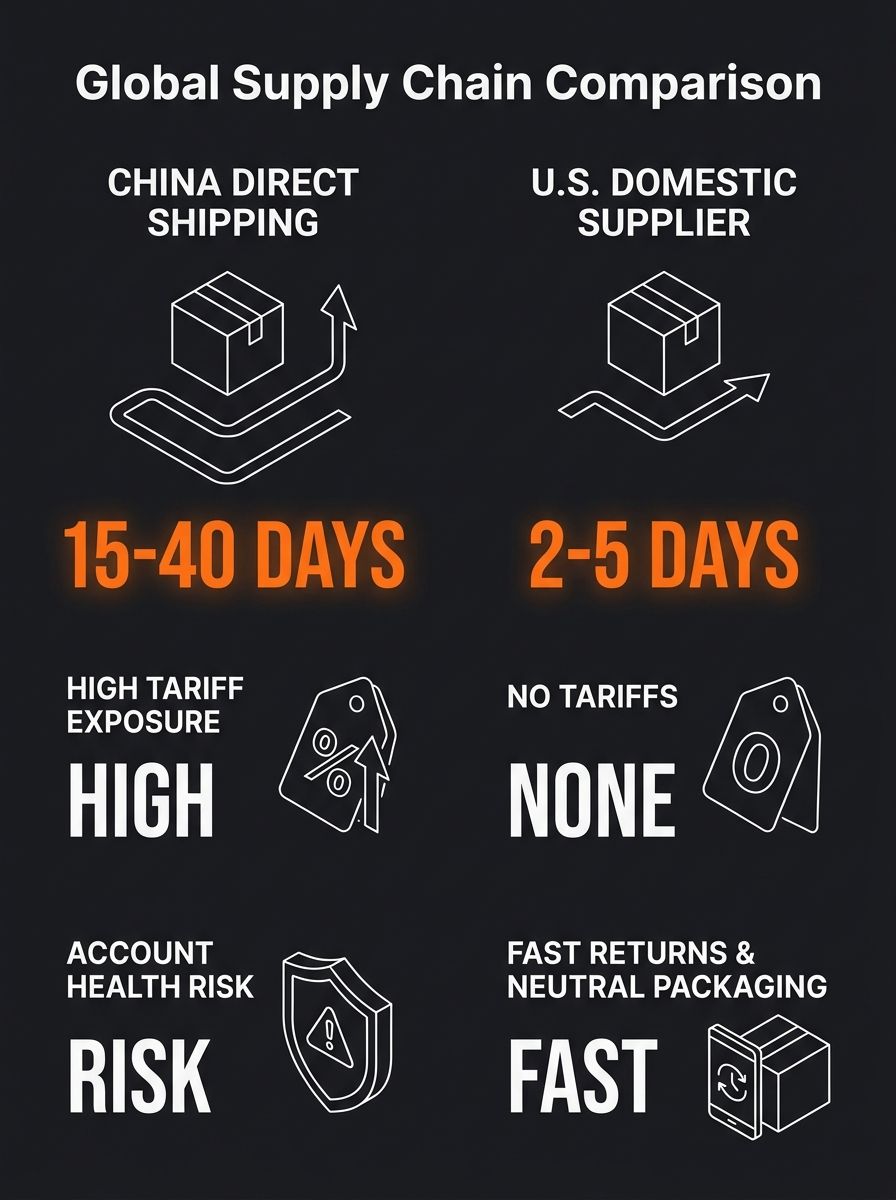
Shipping times from these U.S. dropshipping suppliers run 2 to 5 business days. Compare that to 15 to 40 days from Chinese suppliers shipping direct, and the impact on your order defect rate and late shipment metrics becomes obvious. If you're selling on Amazon, those metrics directly determine whether your account stays active.
Sellers who haven't yet built a proper supplier vetting process need to start one before onboarding any domestic supplier, including TopDawg. The platform is vetted at the directory level, but individual product quality and fulfillment speed still vary by the specific wholesaler handling your SKU.
Amazon Supply Chain Services Changes the Infrastructure Game
Amazon launched ASCS on May 4, bundling freight forwarding, distribution, fulfillment, and parcel shipping into a single service available to any business, whether they sell on Amazon's marketplace or not. CNBC reported that the move mirrors Amazon's AWS playbook from two decades ago: take internal infrastructure, package it, and sell it to the world. UPS shares dropped nearly 10% and FedEx fell more than 9% on the news.
For dropshippers, the immediate implication is access to Amazon's logistics speed without necessarily using FBA for every SKU. If you're working with U.S. dropshipping suppliers who ship from their own warehouses, ASCS creates a potential hybrid: source domestically, then use Amazon's parcel network for last-mile delivery across channels.
We covered the full 3PL implications of this launch separately, but the short version is that ASCS compresses the cost gap between running your own fulfillment operation and paying Amazon to handle it. Brands like Procter & Gamble, 3M, and American Eagle Outfitters are already on board.
The Walmart Supplier Network: Higher Barriers, Better Margins
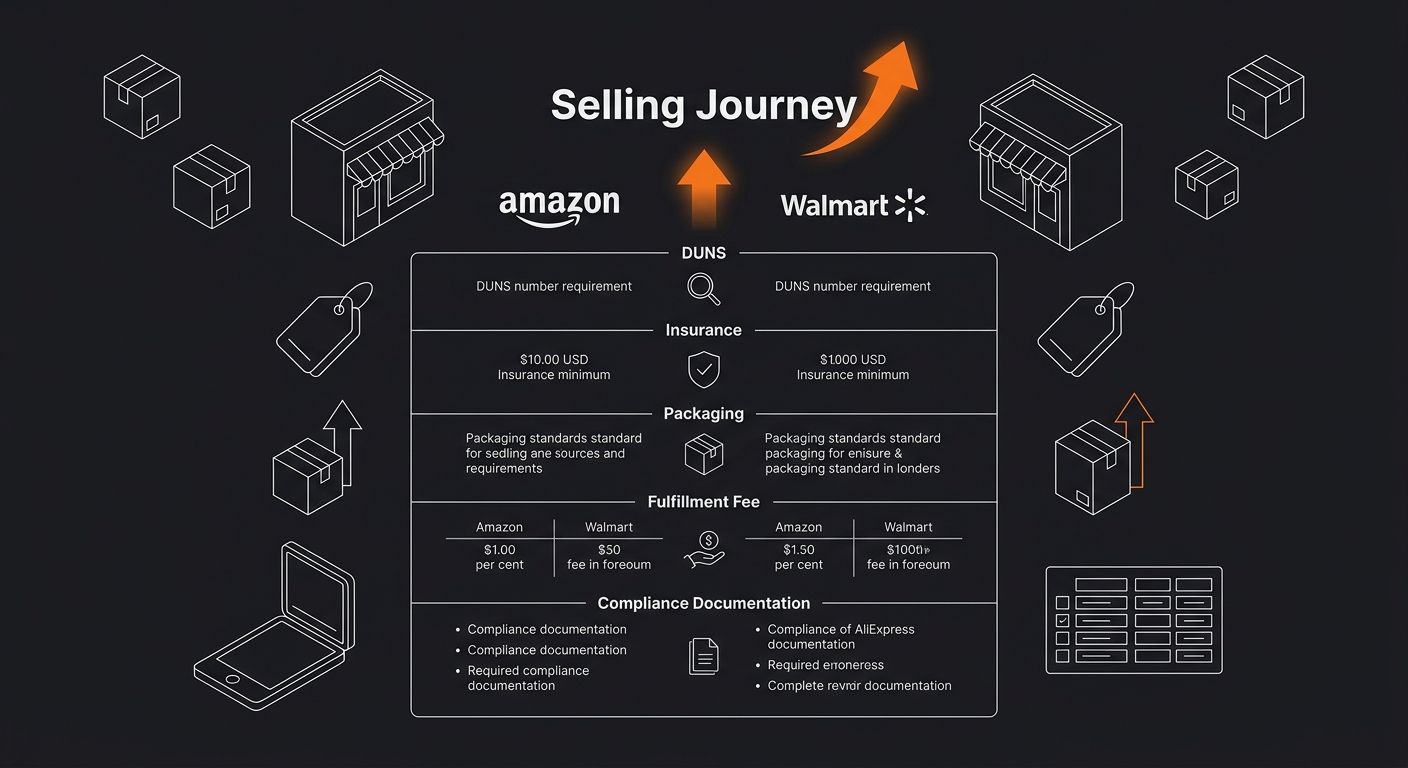
Walmart's supplier requirements are stricter than Amazon's in several key areas. All U.S.-based suppliers need a DUNS number on application documents. Liability insurance must be renewed annually, with coverage meeting Walmart's minimums for product-related claims. And Walmart's Standards for Suppliers apply globally to anyone providing products for resale or internal use.
Getting into the Walmart supplier network as a dropshipper means you need a supplier who is already Walmart-approved or whose products flow through an approved channel. TopDawg's Walmart integration handles some of this compliance layer, but you're still responsible for ensuring your specific product listings meet Walmart's packaging, labeling, and documentation standards.
The margins tend to be better on Walmart for sellers who clear these hurdles, partly because there's less competition (fewer sellers willing to do the compliance work) and partly because Walmart's fulfillment fees for Walmart Fulfillment Services can undercut FBA on certain product categories.
If you've hit the supplier approval bottleneck with brand-name wholesalers before, Walmart's requirements follow a similar pattern. Having a professional storefront, documented sales history, and a clear business entity structure all increase approval rates.
Domestic vs. China Sourcing: The 2026 Math
The math on domestic vs. China sourcing has shifted dramatically this year. Here's a realistic cost breakdown for a $29.99 retail product:
China direct sourcing (shipped to U.S. customer):
Product cost: $4.50
Shipping (air, ePacket or equivalent): $6.00–$12.00
Tariff at 145%: $6.53
Total landed cost: $17.03–$23.03
Gross margin: $6.96–$12.96 (23%–43%)
U.S. domestic supplier:
Wholesale cost: $12.00–$15.00
Domestic shipping (2–5 day): $3.50–$6.00
Tariff: $0
Total landed cost: $15.50–$21.00
Gross margin: $8.99–$14.49 (30%–48%)
The China sourcing advantage on product cost gets eaten by tariffs and shipping. And that's before you account for return costs. Returns on China-sourced products often mean the item is simply written off because return shipping to China costs more than the product is worth. U.S. suppliers with domestic warehouses process returns through those same warehouses, and you can often resell returned items. If you're losing money after the sale on post-order costs like returns and chargebacks, domestic sourcing shrinks that leak.
The hybrid model still makes sense for certain categories. Bulk-importing from China to a U.S. warehouse (using companies like KAK Sourcing in Houston) gives you Chinese production costs with domestic shipping speeds. You lose the zero-inventory advantage of pure dropshipping, but you gain control over quality inspection and contribution margin per order.
Compliance Enforcement Is Getting Tighter, Not Looser
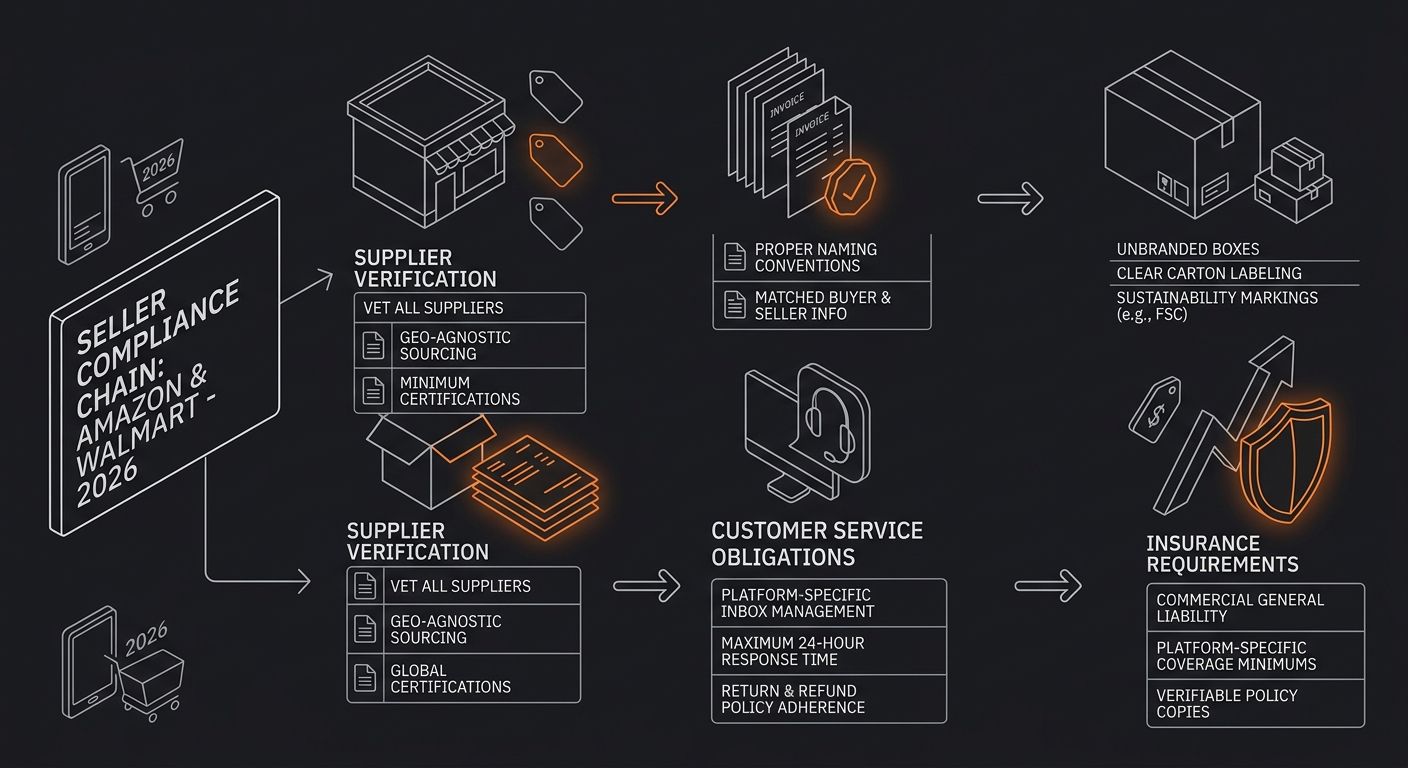
Amazon and eBay both enforce seller-of-record requirements. You must handle customer service directly, use neutral packaging with no third-party branding, and source from verified wholesalers or private suppliers. eBay explicitly prohibits fulfilling orders with products purchased from Amazon or Walmart.
Automation tools like AutoDS and SuperDS now block integrations with restricted retailers to prevent compliance violations. If you're using older automation setups that pull from retail sites, those setups are liability vectors. Your account suspension risk goes up every month you keep running them.
Walmart follows the same direction. Suppliers must meet ongoing standards, and the platform audits compliance more frequently than it did even two years ago. The days of spinning up a store, connecting to AliExpress, and listing 500 products with 30-day shipping windows are functionally over on major U.S. marketplaces.
Your automation stack needs to account for these restrictions. Inventory sync failures, price discrepancies between your supplier's catalog and your listing, and fulfillment delays all trigger compliance flags that accumulate over time.
Where the Hybrid Strategy Fits
Pure domestic sourcing won't work for every niche. Some product categories (certain electronics, specialty textiles, handmade goods) still have no viable U.S. wholesale supplier at a price point that works. For those categories, the smart play is pre-shipping bulk inventory from China to a U.S. 3PL warehouse, then fulfilling domestically from that buffer stock.
Companies like KAK Sourcing and Dropship China Pro have expanded their U.S. warehouse operations specifically to serve this model. Ocean freight container rates are substantially lower per unit than air shipping individual orders, and consolidated container loading from multiple suppliers brings the cost down further.
The operational overhead is real, though. You're carrying inventory risk, you need cash upfront for bulk orders, and you need warehouse management that syncs with your store. This is where Amazon's new Supply Chain Services could become interesting for mid-size sellers who want Amazon-grade logistics without committing to FBA exclusively.
What Still Isn't Settled
Several questions remain open as this domestic fulfillment 2026 shift accelerates. Amazon hasn't published detailed ASCS pricing for small-volume sellers, so it's unclear whether the service will be accessible to operators doing under $50K/month in revenue. Walmart's supplier onboarding timeline is still measured in weeks to months, which means sellers who start the application process now won't be live until Q3 at the earliest.
The tariff situation could also shift. Trade policy changes faster than supply chains can adapt, and sellers who go all-in on domestic sourcing based on current tariff levels could find themselves overexposed if rates drop. The smarter approach is maintaining relationships with both domestic and international suppliers so you can shift allocation based on landed cost math rather than ideology.
TopDawg's catalog is large, but depth within specific niches varies. Having access to 500,000 products means nothing if your niche has 12 options and 8 of them have poor reviews. Test orders before scaling any new supplier relationship, and track fulfillment speed across at least 10 orders before committing a product to paid traffic. That kind of validation work separates sellers who survive platform enforcement from those who wake up to a suspended account and a Seller Performance appeal queue.
365 Dropship Editorial
Editorial team writing about E-commerce, dropshipping, and product discovery — reviews of dropshipping suppliers and platforms, trending niche guides (jewelry, beauty, pets, home, fashion), supplier due diligence, ecom operations, shipping & fulfillment strategy, product research, AOV optimization, and profitable dropshipping case studies.
Related Articles
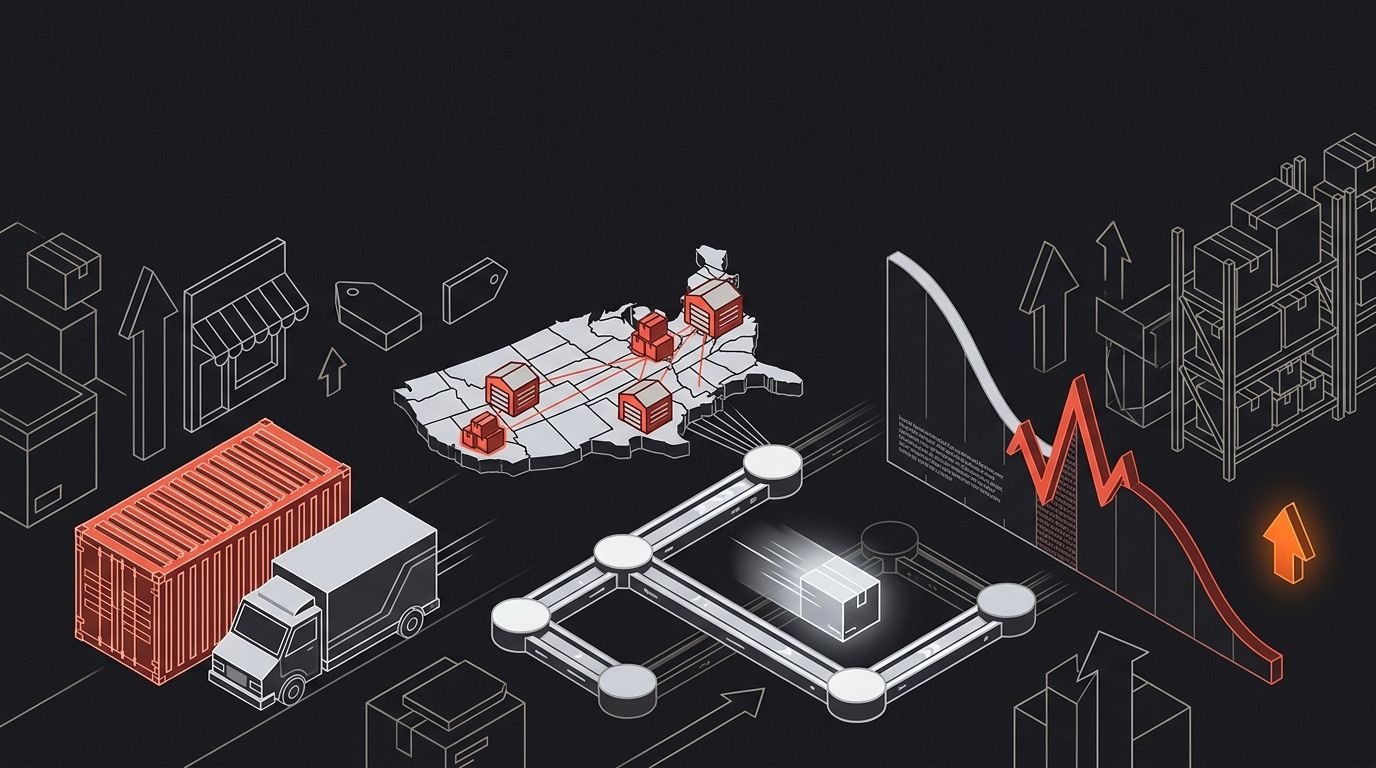
The Domestic Supplier Advantage: Why US-Based Fulfillment Is Reshaping 2026 Dropshipping Unit Economics
Domesticated fulfillment with bulk DDP imports cuts per-parcel costs by 8–15% for brands shipping 4,000+ US orders monthly, according to Evolution Fulfillment's cost model.
Eighteen Percent of AliExpress Dropshipping Suppliers Exited Platform in First Five Months of 2026 as China's Factory Base Consolidates
An estimated 18% of active AliExpress dropshipping suppliers exited the platform between January and May 2026, folding into larger factory collectives in Guangdong, Foshan, and Yiwu, according to sourcing intelligence firm Syncee's internal supplier index cited in a LooperBuy guide published August
Ethical Sourcing Requirements Shift from Optional to Mandatory as Regulators and Consumers Tighten Supply Chain Scrutiny
Ethical sourcing has moved from voluntary corporate initiative to business-critical requirement as consumers, investors, and regulators intensify scrutiny of supply chain labor practices, environmental impact, and product traceability, according to new implementation guidance published May 30 by Gad
Explore more topics