Cutting Out the Middleman: When to Source Directly from Suppliers vs. Platform Aggregators in 2026
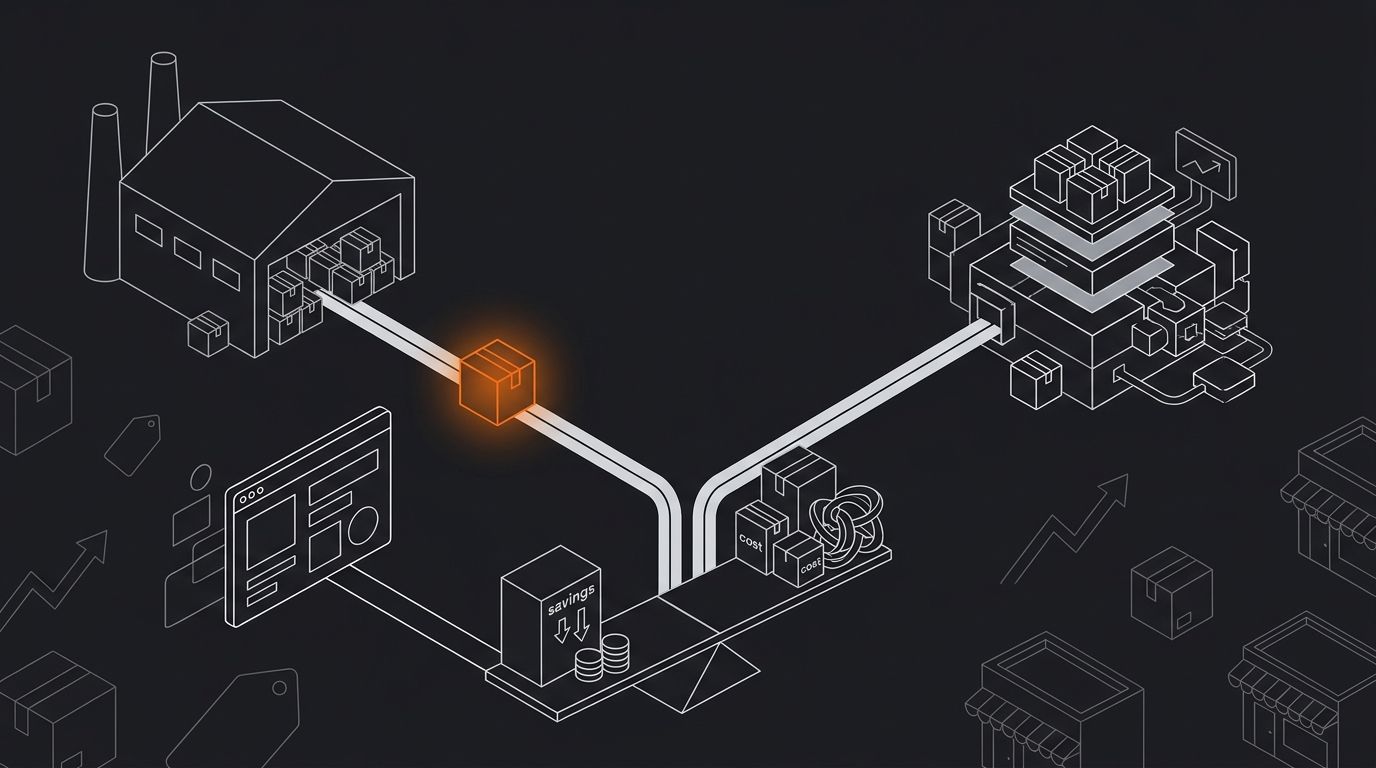
The per-unit cost gap between buying through a platform aggregator like Spocket or CJ Dropshipping and sourcing the same product directly from its manufacturer typically runs $3–$7 per item, according to current pricing across major supplier directories.
Cutting Out the Middleman: When to Source Directly from Suppliers vs. Platform Aggregators in 2026
The per-unit cost gap between buying through a platform aggregator like Spocket or CJ Dropshipping and sourcing the same product directly from its manufacturer typically runs $3–$7 per item, according to current pricing across major supplier directories. At 200 orders per month, that gap represents $600–$1,400 in lost margin before you've even accounted for the aggregator's monthly subscription, which ranges from $29–$99 depending on the tier.
That math should immediately reshape how you think about your supply chain. The middleman economics of dropshipping aren't abstract. They compound into real dollars every single month, and the decision about when to absorb the overhead of managing direct supplier relationships versus paying for the convenience of an aggregator platform is the single biggest margin lever most operators ignore.
This guide breaks down exactly where each model wins, where it costs you, and how to identify the crossover point for your specific store.
The Real Cost Structure of Platform Aggregators
Platform aggregators bundle three things together: product discovery, supplier vetting, and order routing. You're paying for all three whether you need them or not.
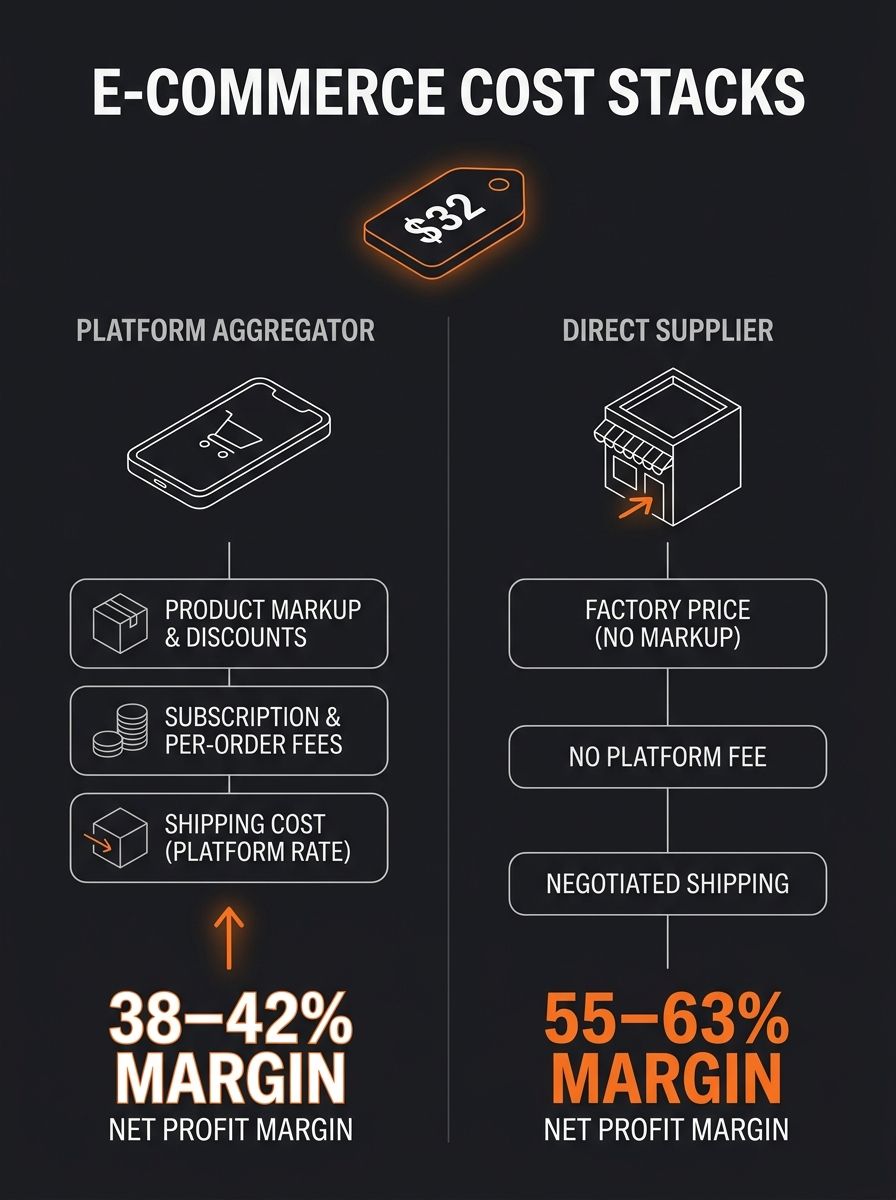
Here's what the cost stack actually looks like on a typical aggregator-sourced product:
Product cost from aggregator catalog: $12 (the manufacturer's price is often $7–$9, with the aggregator's markup baked in)
Monthly platform subscription: $49/month, amortized across your order volume
Per-order dropship fee: $1 for the first item, $0.25 for each additional, as Shopify's cost breakdown notes
Shipping: $3.50–$5.50 depending on origin and destination
On a product you sell for $32, your gross margin through an aggregator sits around 38–42%. Source that same product directly from the factory, negotiate your own shipping rate, and margin jumps to 55–63%.
The aggregator isn't doing anything evil here. They're providing a real service. But the question you need to answer is whether that service is still worth the price at your current scale.
Where Aggregators Earn Their Fee
For stores doing fewer than 50 orders per month, the aggregator model usually wins on a total-cost-of-time basis. Here's why:
Supplier discovery and vetting are expensive in hours. Finding a reliable manufacturer, requesting samples, negotiating MOQs, and verifying production quality takes 15–30 hours of focused work per supplier. If you need to build a thorough supplier vetting checklist from scratch for each potential partner, you're spending time that could go toward marketing and conversion optimization.
Order routing and tracking automation saves operational headaches. Aggregators handle the fulfillment handoff, tracking number imports, and (usually) inventory sync. When you're running a one-person operation, the hours saved on logistics coordination have a real dollar value.
Returns liability stays manageable. As Inventory Source documents, you're responsible for handling customer returns and exchanges even though products ship from suppliers. Aggregators often have standardized return policies that simplify this. Direct supplier relationships mean negotiating return terms individually, which gets messy fast across multiple suppliers.
The aggregator fee structure makes sense when your order volume is low enough that the per-unit markup costs less than the labor you'd spend managing relationships yourself.
The Crossover Point: When Direct Sourcing Starts Winning
The break-even math depends on three variables: your monthly order volume, the specific product category, and how many SKUs you carry. But a reasonable rule of thumb looks like this:
Under 50 orders/month per supplier: Aggregator platforms almost always win. The time cost of managing a direct relationship exceeds the markup savings.
50–150 orders/month per supplier: Gray zone. If you've identified a winning product and you're confident in sustained demand, start testing direct sourcing with that single supplier while keeping your aggregator for everything else.
Over 150 orders/month per supplier: Direct sourcing wins decisively. At this volume, even a $3 per-unit savings generates $450+ monthly, which more than covers the 5–8 hours per month of supplier relationship management the direct model requires.
These numbers shift when you factor in product returns and post-order costs that erode margins. A product with a 12% return rate changes the equation significantly, because direct supplier return negotiations are harder than working through an aggregator's standardized process.
How to Build Direct Supplier Relationships That Actually Hold
Going direct means you're now responsible for supplier relationship management yourself. And the way you approach it determines whether you get better margins or just more headaches.
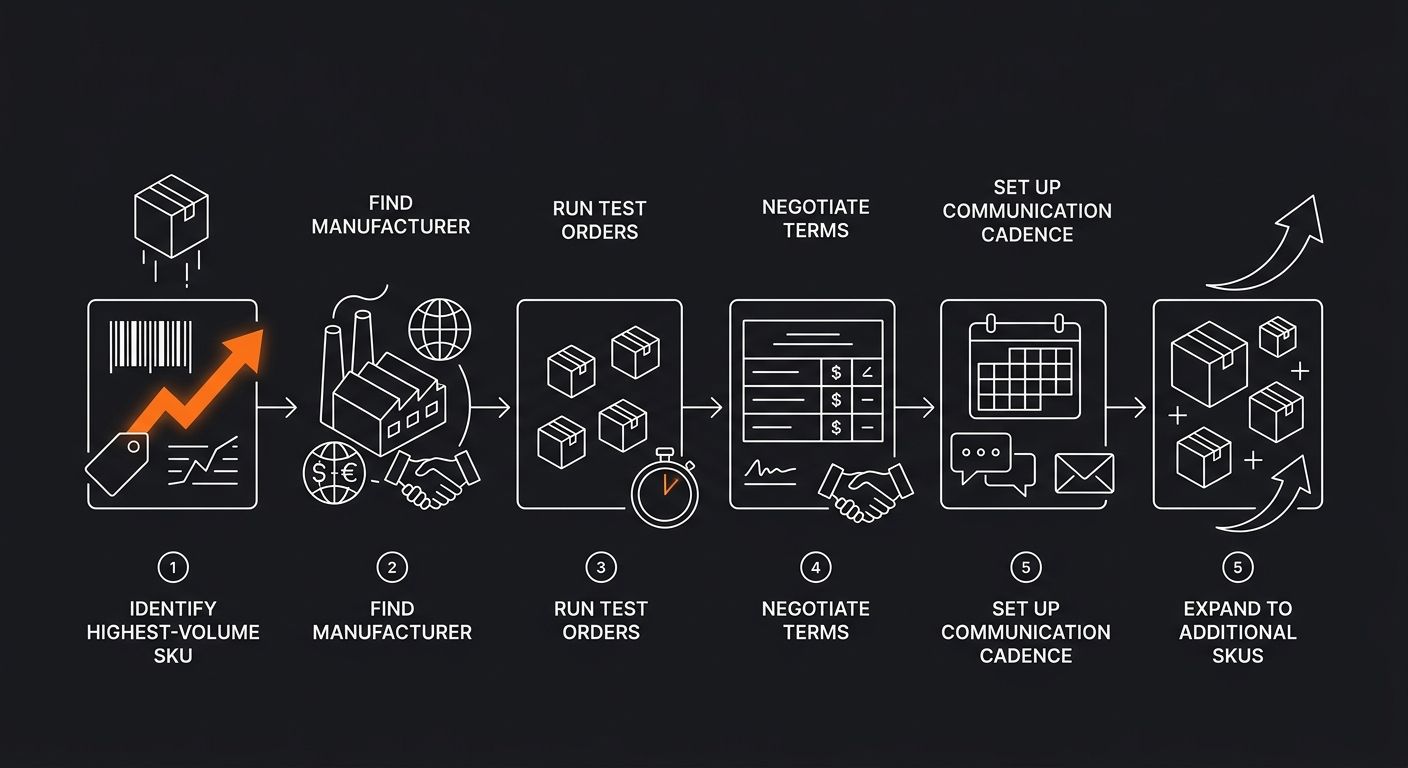
Start with a single SKU, not your entire catalog. Pick your highest-volume product and find its manufacturer. You already know the demand exists. You already know the return rate. You already know the customer complaints. This reduces your risk to a single relationship while you learn the process.
Run validation orders before committing. Order 5–10 units to your own address. Check packaging quality, actual shipping times, and product consistency. We've written extensively about what to measure during test orders, and skipping this step is the most common failure point for operators going direct for the first time.
Negotiate payment terms, not just unit price. A manufacturer who offers Net-15 or Net-30 terms gives you cash flow breathing room that no aggregator provides. This is where direct procurement creates real financial advantage, because you're avoiding markup and improving your cash conversion cycle simultaneously.
Communicate consistently, even when things are going well. SAP's research on supplier relationship management emphasizes that ongoing assessment and transparent communication with your most critical suppliers prevents the small problems from becoming order-killing crises. A weekly email update on order forecasts and a monthly call to discuss quality costs you maybe 2 hours total. That's cheap insurance.
The Hybrid Model Most Profitable Stores Actually Run
The cleanest operations in 2026 don't go all-in on either approach. They run a hybrid: direct relationships for their top 3–5 SKUs (which typically generate 60–80% of revenue) and aggregator sourcing for long-tail products they're still testing.
This structure gives you the margin advantage on your proven winners while keeping the flexibility to test new products without the overhead of establishing a new supplier relationship for every experiment. When you analyze contribution margins across your product line, the products that deserve direct sourcing relationships become obvious pretty quickly.
The hybrid model also protects you against supply chain disruptions. If your direct supplier hits a production delay, you can temporarily source through an aggregator at lower margin while your primary supply recovers. And if an aggregator raises their subscription fees or markups (which happens regularly), your core revenue isn't exposed because your top products run through direct channels.
One practical note on this: keep your aggregator account active even after you've moved your top SKUs to direct sourcing. The discovery tools and catalog access still have value for product research, even if you're not fulfilling through them. Treating these platforms as research tools rather than fulfillment partners changes the ROI calculation entirely.
Fulfillment Margins in 2026: What's Changed
Shipping costs have restructured the direct-vs-aggregator decision in two important ways this year.
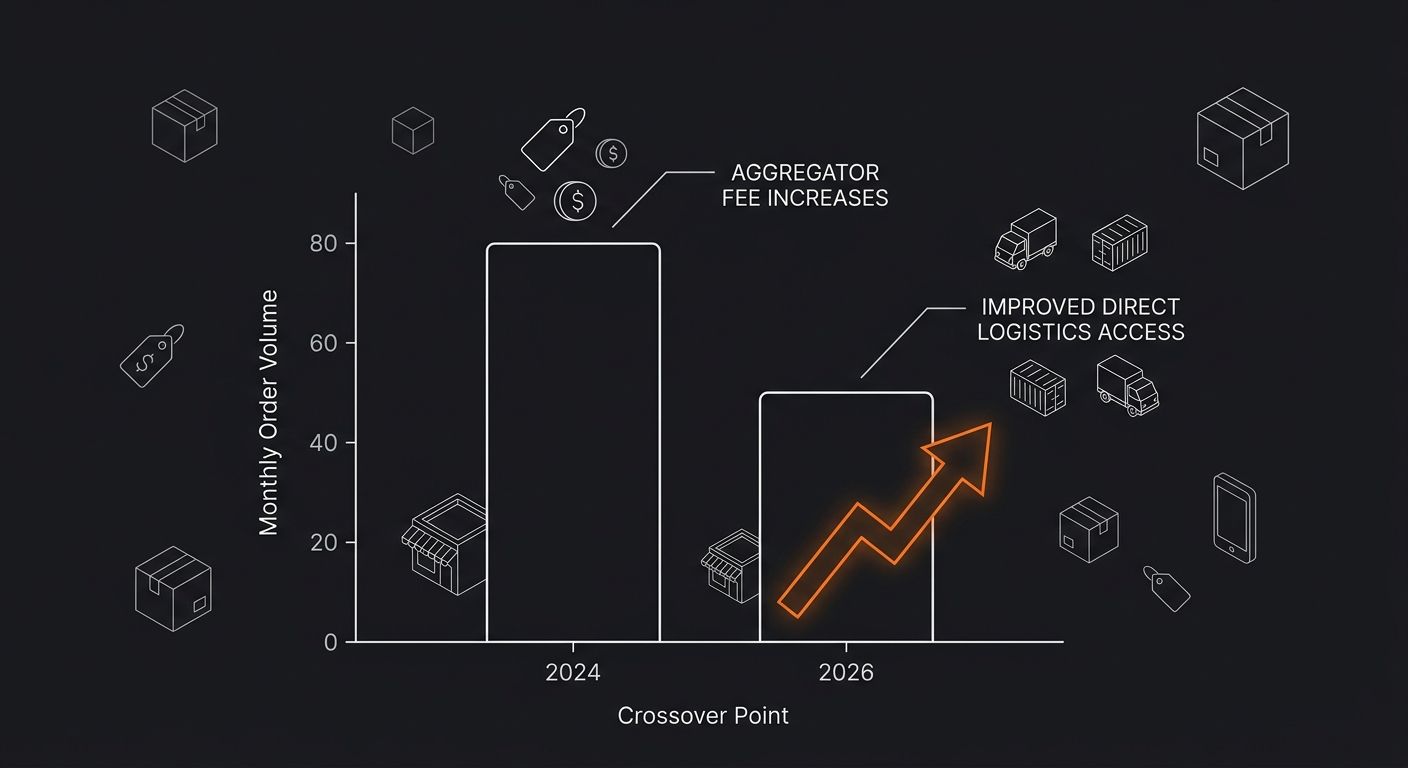
First, aggregators have gotten more expensive on shipping. Many platforms that previously included shipping in their product pricing have unbundled it, adding $1–$3 per order in newly visible fees. This narrows the convenience advantage they used to hold.
Second, direct suppliers are increasingly willing to work with third-party logistics providers that dropshippers choose. If you're routing orders through a 3PL that handles fulfillment for multiple suppliers, you get the consolidated shipping rates without needing each supplier to handle last-mile delivery individually. The economics look different when you can compare 3PL options against platform-managed fulfillment.
The net effect: dropshipping platform costs have risen while direct supplier sourcing logistics have gotten more accessible. The crossover point where direct sourcing becomes profitable has moved lower, probably by 20–30 orders per month compared to where it sat two years ago.
Common Mistakes When Cutting Out the Middleman
Going direct too early. If you're still testing product-market fit, paying the aggregator markup is cheaper than locking in a supplier relationship for a product that might not sell next month.
Ignoring communication overhead. Direct supplier sourcing adds 5–10 hours per month per active supplier in emails, quality checks, and order management. If you're running solo and already stretched thin, that time has a cost you need to account for honestly.
Assuming direct always means cheaper. Some aggregators have negotiated volume pricing with manufacturers that individual dropshippers can't match. If you're ordering 30 units per month and the aggregator is routing 10,000 from the same factory, their per-unit cost might actually be lower than what you'd pay going direct. Always get a quote before assuming.
Burning the aggregator bridge. Canceling your aggregator subscription entirely removes your safety net. Keep at least a basic tier active for backup sourcing and market research.
What Still Isn't Settled
The direct sourcing playbook has clear advantages at scale, but several questions remain open.
Aggregator platforms are investing heavily in automation and AI-powered supplier matching. If these tools meaningfully reduce the per-unit markup while maintaining convenience, the crossover point could shift back upward. Spocket and similar platforms have announced plans to reduce their take rate for high-volume sellers, though specifics remain vague.
The regulatory environment around cross-border dropshipping continues to evolve, and aggregators may gain an edge by handling customs documentation and tariff classification automatically. For operators sourcing directly from overseas manufacturers, staying current on trade compliance adds another time cost that's hard to quantify in advance.
And the question of quality control at scale remains unresolved for direct sourcing. Aggregators theoretically vet their suppliers on your behalf. When you go direct, quality assurance is your problem. Whether the margin savings justify that added responsibility depends entirely on your operational capacity and your willingness to invest in the unglamorous work of building systems around supplier accountability.
The operators getting this right are the ones treating the aggregator-vs-direct decision as a product-level choice rather than a store-level philosophy. Run the numbers on each SKU. Move the ones that justify it. Keep the rest where they are. Revisit the math every quarter as your volumes change.
365 Dropship Editorial
Editorial team writing about E-commerce, dropshipping, and product discovery — reviews of dropshipping suppliers and platforms, trending niche guides (jewelry, beauty, pets, home, fashion), supplier due diligence, ecom operations, shipping & fulfillment strategy, product research, AOV optimization, and profitable dropshipping case studies.
Related Articles
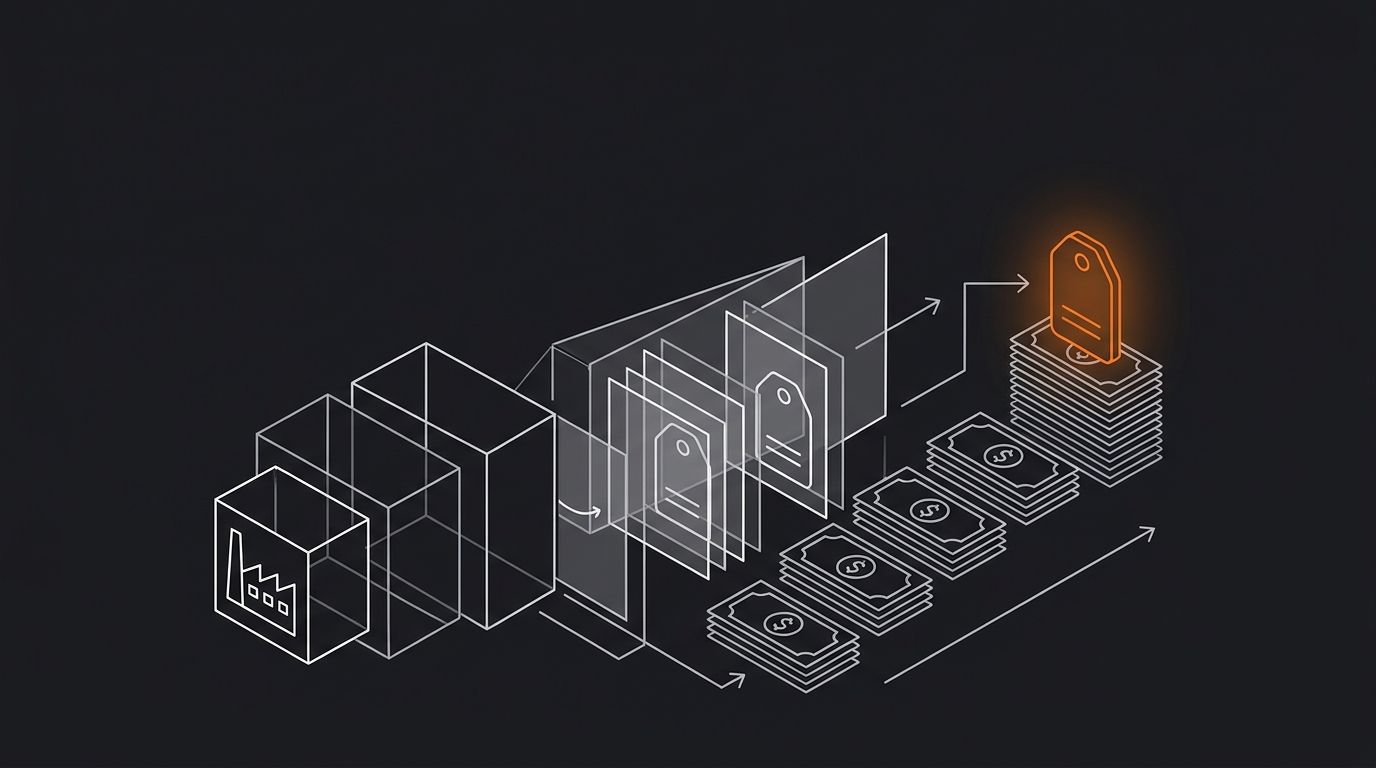
Inside the Supplier Markup Stack: How Aggregator Platforms Layer Fees Between Factory Price and Your Cost of Goods
Three to seven distinct fee layers sit between a product's factory price and the number aggregator platforms display as your "supplier cost." Fulfillment surcharges, payment processing cuts, per-order fees, and shipping markups each compound silently.
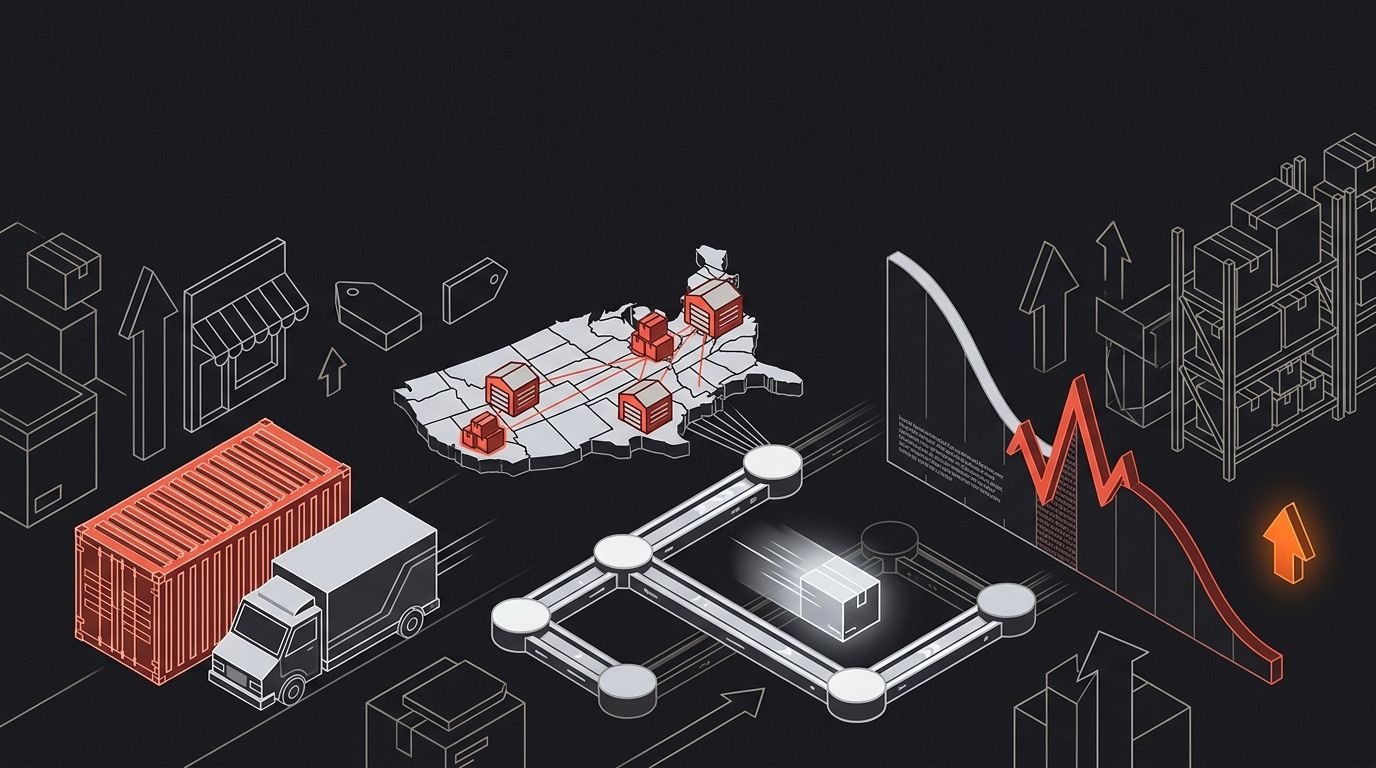
The Domestic Supplier Advantage: Why US-Based Fulfillment Is Reshaping 2026 Dropshipping Unit Economics
Domesticated fulfillment with bulk DDP imports cuts per-parcel costs by 8–15% for brands shipping 4,000+ US orders monthly, according to Evolution Fulfillment's cost model.
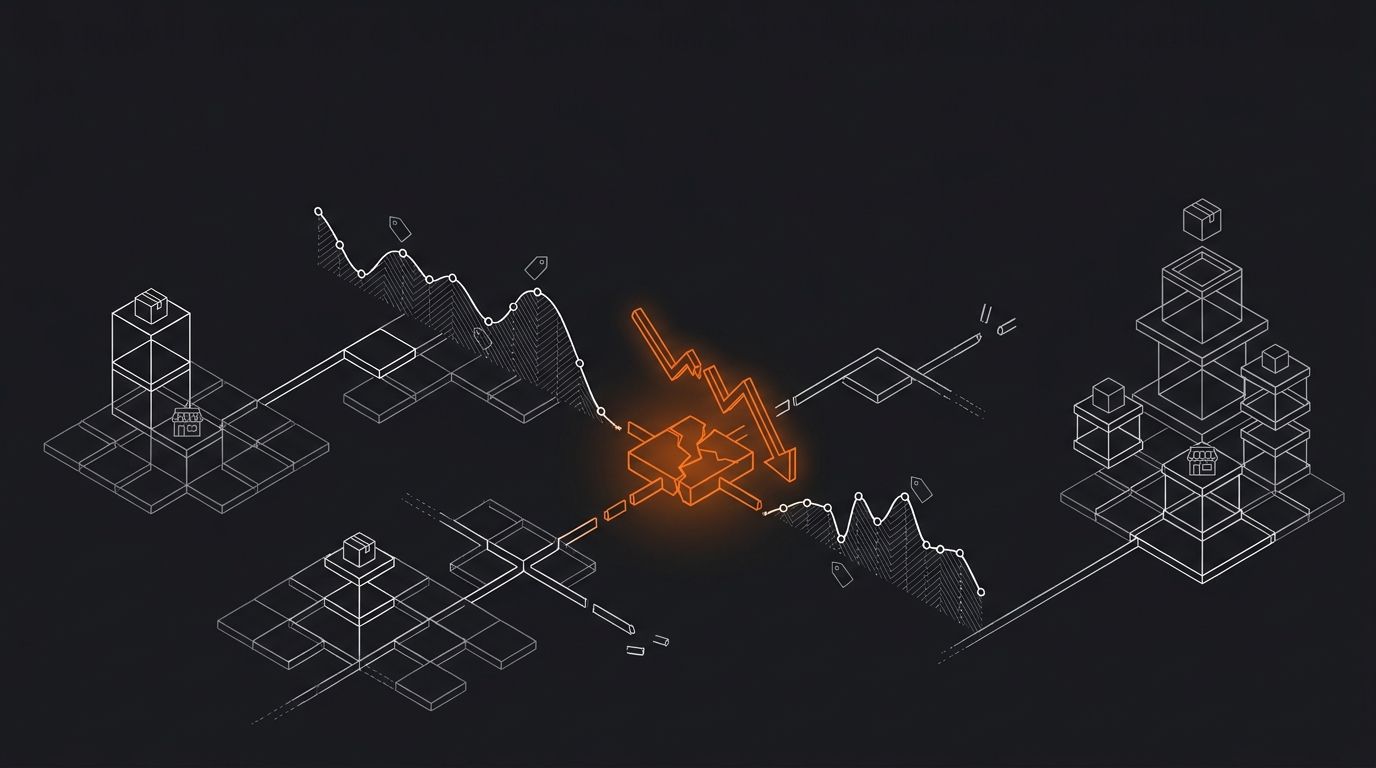
The Multi-Supplier Concentration Risk Matrix: Why Single-Source Dropshipping Kills Your Margins When Supply Lines Break
Dropshippers who concentrate 50% or more of total spend with one supplier face margin compression, zero fallback options, and full business exposure the moment that source raises prices or goes offline.
Explore more topics