The Reseller Approval Bottleneck: Why Suppliers Reject Applications and How to Fix Your Store Before Applying
Supplier approval departments at mid-market brands don't reject dropshipping applications at the review stage.
The Reseller Approval Bottleneck: Why Suppliers Reject Applications and How to Fix Your Store Before Applying
Supplier approval departments at mid-market brands don't reject dropshipping applications at the review stage. They reject them at the Google stage, during the 30-second window where a product manager types your store URL into a browser and decides whether you look like a legitimate retailer or a template site running stock photos. The mechanism that determines supplier application approval has almost nothing to do with your email pitch and almost everything to do with what your storefront communicates before a human ever reads your message.
Understanding how this filter works, step by step, changes how you prepare. And it explains why some stores with 50 orders get approved while stores with 500 get rejected.
The URL Check Happens Before Anyone Reads Your Application
When a supplier receives a reseller application, the first action taken by 90%+ of brand gatekeepers is identical: they open your website. The application form itself is secondary. Your business name, your tax ID, your stated monthly volume projections all sit in queue while a real person loads your homepage on a desktop browser and makes a gut call within seconds.
What they're looking for isn't complicated. They want to confirm you're a real business selling to real customers in a way that won't damage their brand. The supplier vetting process works both directions, and brands are at least as careful evaluating you as you should be evaluating them.
The evaluation happens in a predictable sequence: homepage impression, product page quality, policy pages, contact information, then (maybe) back to the application itself. If your store fails at step one, steps two through five never happen.
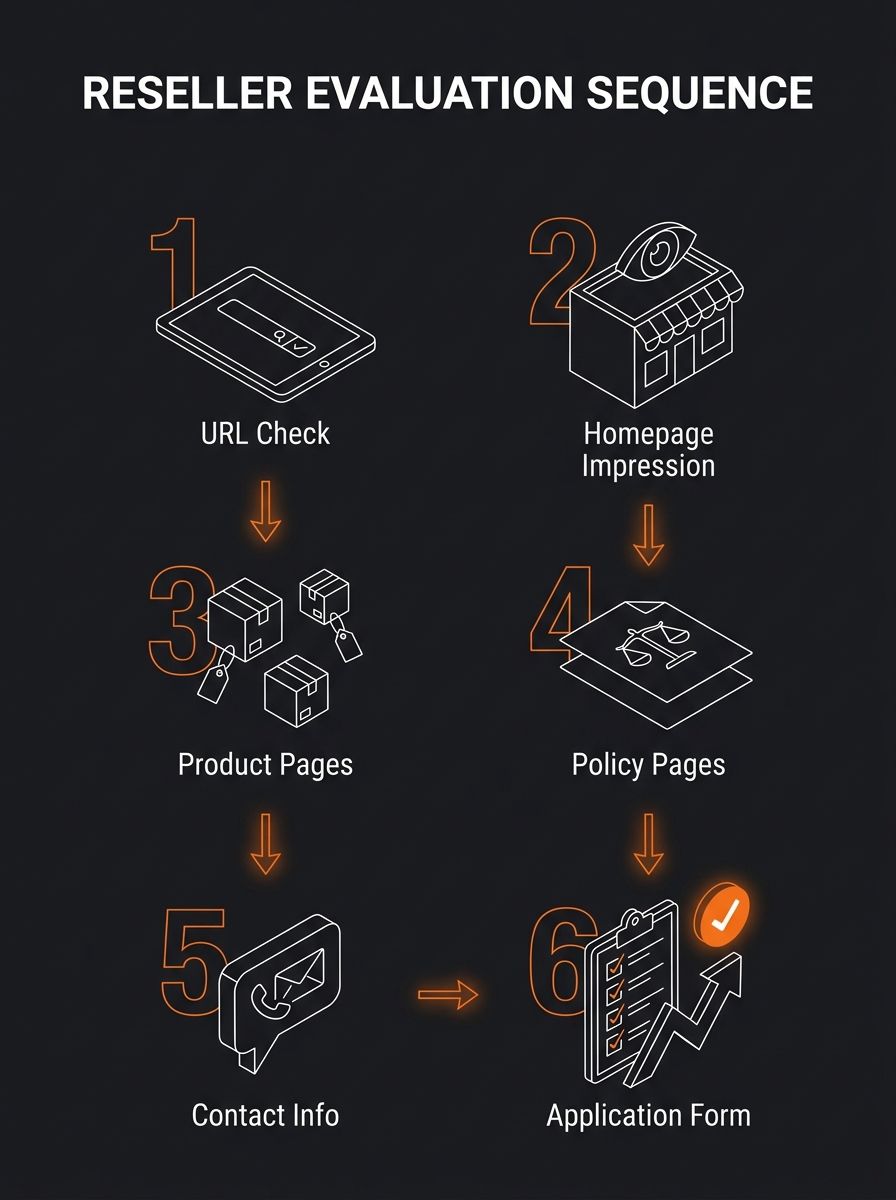
Five Credibility Signals Suppliers Check (In Order)
The reseller requirements 2026 brands enforce aren't published in a formal document. But after talking to enough suppliers and reading enough rejection threads, the pattern is clear. Here's what they evaluate, roughly in order of priority:
1. Professional domain and SSL certificate. A mystore.myshopify.com subdomain is an instant reject for any brand that cares about channel integrity. You need a custom domain with HTTPS. This costs $12-15/year. There's no excuse.
2. Homepage that looks like a store, not a landing page. Suppliers want to see organized product categories, a visible navigation structure, and branding that suggests you've invested more than an afternoon. A single hero banner with "Shop Now" and nothing else reads as a test site.
3. Multiple product listings with original or well-curated photos. Empty catalogs or pages with three products tell suppliers you haven't committed. Interestingly, suppliers would rather see 30 well-presented products from competing brands than 200 scraped AliExpress listings. Quality of presentation matters more than catalog size.
4. Complete legal and policy pages. Shipping policy, return policy, privacy policy, terms of service. These pages exist on every legitimate retail site. Their absence signals that your store is disposable, which makes suppliers nervous about how you'll handle their customers.
5. Real contact information. A physical address (even a PO Box or registered agent address), a phone number, and an email on a custom domain. [email protected] paired with no phone number reads as a one-person operation that could vanish overnight.
Why Default Themes Trigger Rejection
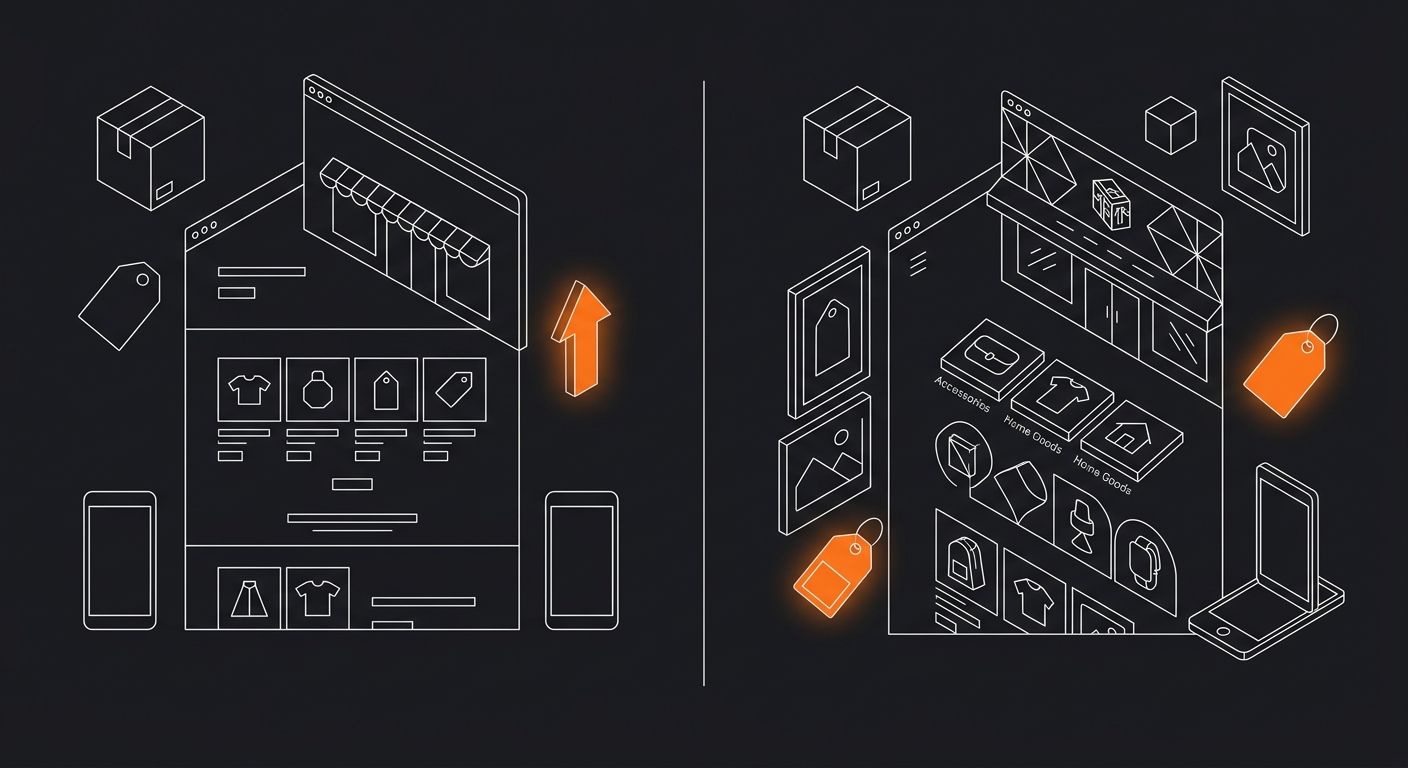
The Shopify Dawn theme ships with 43% of new stores. Suppliers see it constantly, and they've developed pattern recognition for it. The same is true for a handful of popular free themes on WooCommerce and BigCommerce. When a supplier opens your URL and immediately recognizes the default template, you're already fighting an uphill battle because they associate that visual pattern with stores that are testing the waters rather than running a business.
This doesn't mean you need to spend $300 on a premium theme. You need to customize whatever theme you're using enough that it doesn't look identical to the last 15 applications the supplier reviewed. Change the color palette, add a custom logo (not a Canva text-only logo, an actual mark), write original copy for your homepage sections, and populate the announcement bar with something specific to your store.
If you're running Shopify, tools like GemPages can help you build custom layouts without touching code, which is often enough to break out of the template-store pattern.
Legal Pages That Actually Get Read
Most dropshippers treat policy pages as a compliance checkbox. Suppliers treat them as a credibility signal. A brand rep evaluating your store will click your shipping policy and scan for specifics. Here's what separates approvals from rejections:
Shipping policy: Include actual delivery timeframes. "Ships within 1-3 business days, delivers in 5-10 business days for domestic orders" reads as a store that knows its supply chain. "Please allow 2-6 weeks for delivery" reads as a store dropshipping from China with no US fulfillment partner, and most domestic brands don't want to be associated with that experience.
Return policy: Specify windows (30 days, 60 days), conditions (unworn, original packaging), and who covers return shipping. Generic "all sales are final" policies make brands nervous because they imply you'll push dissatisfied customers toward chargebacks rather than resolutions. Understanding how post-order costs affect profitability will help you write return policies that are both realistic and supplier-friendly.
Privacy policy: Should reference your actual business entity by name, not a placeholder. Suppliers have seen enough "[Your Company Name]" placeholders left in auto-generated privacy policies to recognize them instantly.
Product Pages From the Supplier's Perspective
Your product pages need to do double duty. They convert customers, yes. But when a supplier is evaluating your application, they're reading your product pages as a preview of how their products will be represented on your site.
A product page checklist focused on conversions and trust signals overlaps heavily with what suppliers evaluate. They look at:
Photo quality and variety. Multiple angles, lifestyle shots, and (ideally) photos that aren't identical to every other retailer's listing. If you're currently selling other brands, showing that you take or curate original product photography tells the new supplier their products will get the same treatment.
Descriptions that add value. Copy-pasted manufacturer descriptions tell suppliers you won't invest effort in selling their products. Original descriptions, even if they incorporate the same specs, show editorial investment.
Pricing consistency. If a supplier can see you're selling competing products at 80% below MAP (minimum advertised price), they'll assume you'll do the same with theirs. Price discipline matters.
Reviews and social proof. Even 10-15 genuine reviews on existing products signal that real customers are buying from your store. Zero reviews across your entire catalog raises the question of whether you've made any sales at all.
The Pre-Approval Store Audit
Before you submit a single supplier application, run through this audit. Every item here addresses a specific reason suppliers cite when rejecting reseller applications.
Domain and Technical Foundation
Custom domain (not a platform subdomain)
SSL certificate active (padlock icon in browser)
Site loads in under 3 seconds on mobile
No broken links or 404 pages on main navigation
Branding and Design
Custom logo (not text-in-a-rectangle from a free generator)
Consistent color palette across all pages
Theme customized beyond default settings
Favicon set (the small icon in browser tabs)
Content and Catalog
Minimum 15-20 products with complete listings
Original or curated product descriptions (not copy-pasted)
Multiple product images per listing
Organized into logical categories with working filters
Trust and Legal
Shipping policy with specific timeframes
Return/exchange policy with clear terms
Privacy policy referencing your actual business entity
Terms of service page
Contact page with email, phone, and physical/registered address
"About Us" page that tells your store's story
Social Proof
Customer reviews visible on product pages (even if few)
Active social media accounts linked from footer
Any press mentions or brand partnerships displayed
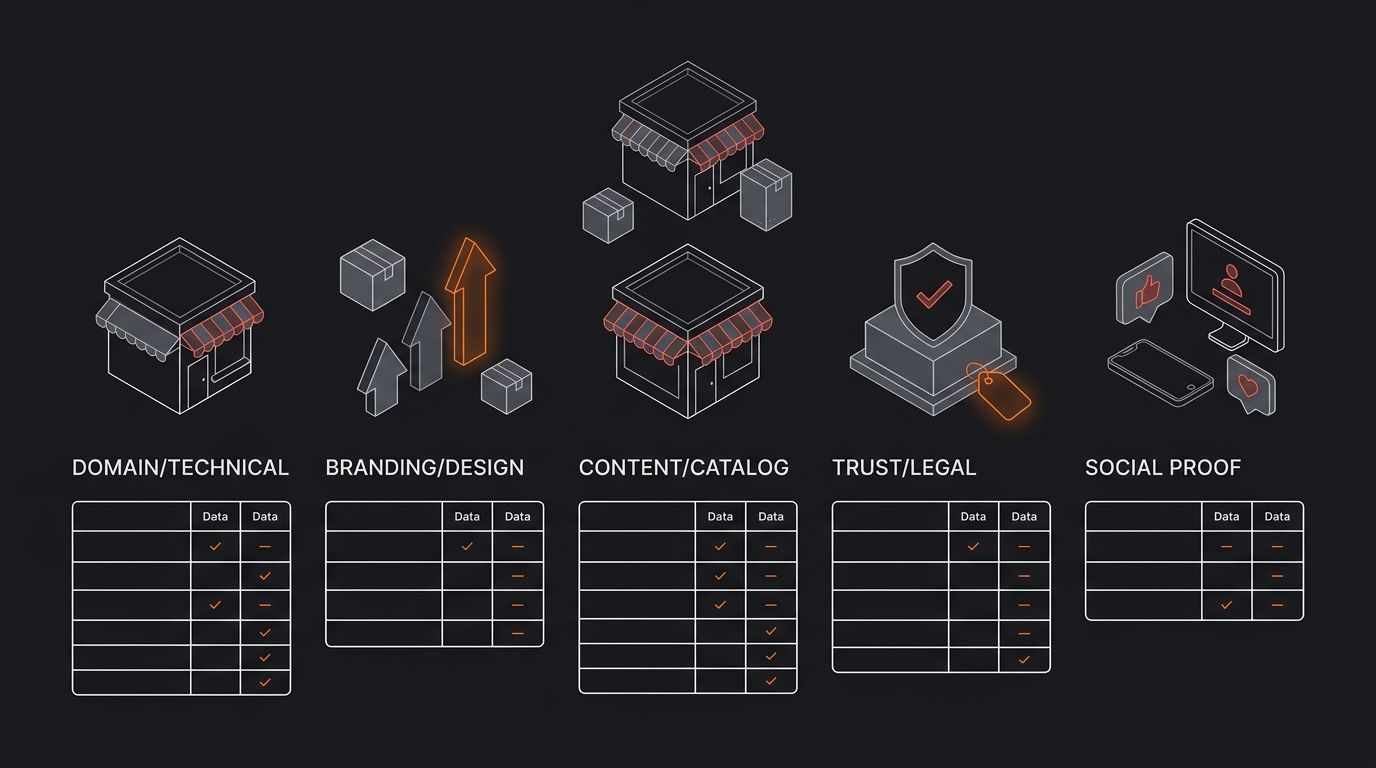
This pre-approval store audit should take 2-4 hours to complete if you're starting from a bare store. If you've been selling for months and still fail multiple items on this list, that's the reason your applications are getting rejected.
What This Mechanism Can't Fix
Even a perfect storefront won't guarantee supplier application approval in every case. Some brands have exclusive distribution agreements that cap the number of authorized resellers in a region. Others require minimum monthly order volumes that genuinely don't make sense for a new dropshipper. And a few suppliers simply don't work with dropshippers at all, preferring retailers who buy and hold inventory.
The mechanism described above solves the most common rejection reason: looking like a fly-by-night operation. It won't help if the brand's channel strategy fundamentally excludes your business model.
When that happens, the playbook from Dropship Lifestyle applies: start by placing a few retail orders as a regular customer, build a small sales history with related products, then reapply with proof of traction. Suppliers who rejected a blank store in January sometimes approve the same store in June when it has three months of order history and a handful of real reviews.
The other limitation worth naming is that building direct supplier relationships requires ongoing maintenance. Getting approved is the beginning of the relationship, not the end. Suppliers monitor authorized resellers for MAP compliance, return rates, and customer complaint volume. A store that passes the initial audit but degrades over time will lose authorization just as quickly as one that never earned it. The approval mechanism filters for readiness at a single point in time, and staying approved requires sustained operational discipline long after the welcome email arrives.
365 Dropship Editorial
Editorial team writing about E-commerce, dropshipping, and product discovery — reviews of dropshipping suppliers and platforms, trending niche guides (jewelry, beauty, pets, home, fashion), supplier due diligence, ecom operations, shipping & fulfillment strategy, product research, AOV optimization, and profitable dropshipping case studies.
Explore more topics