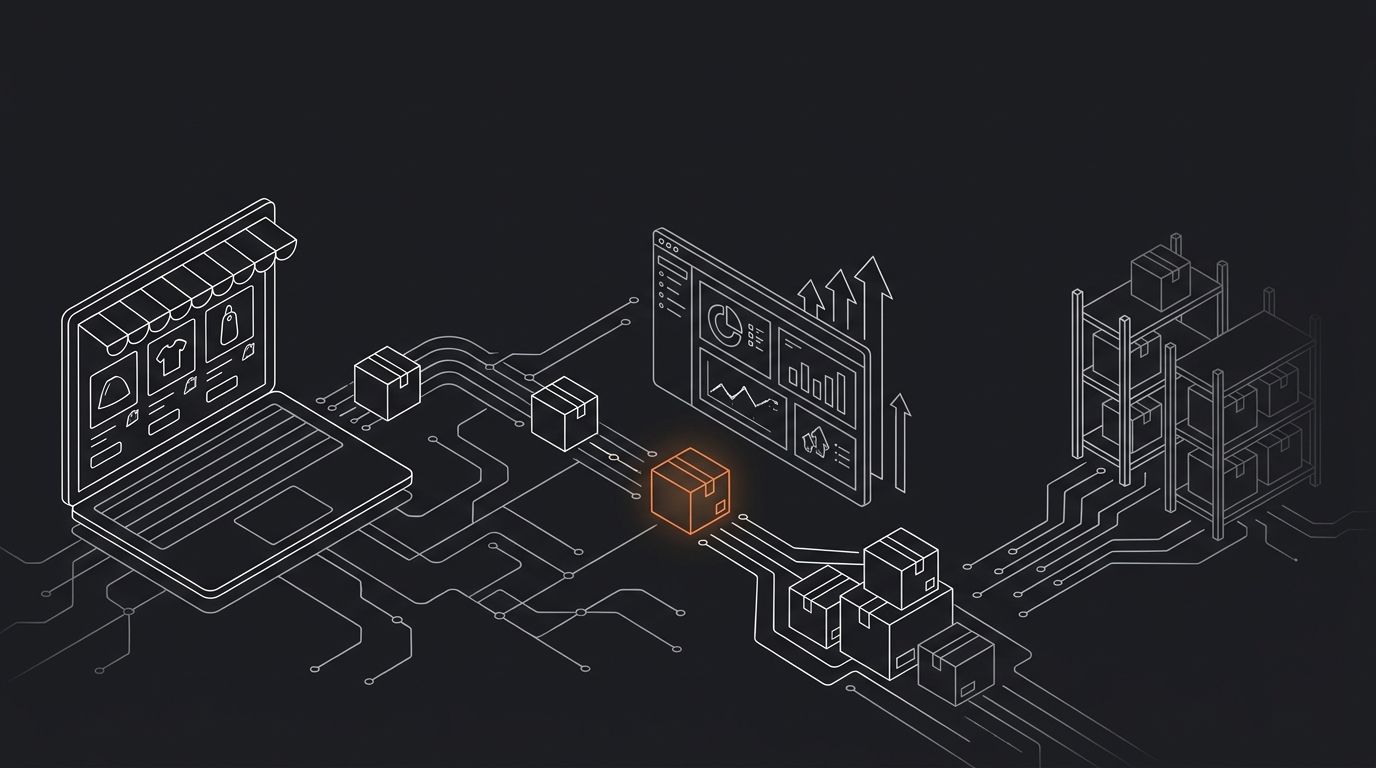
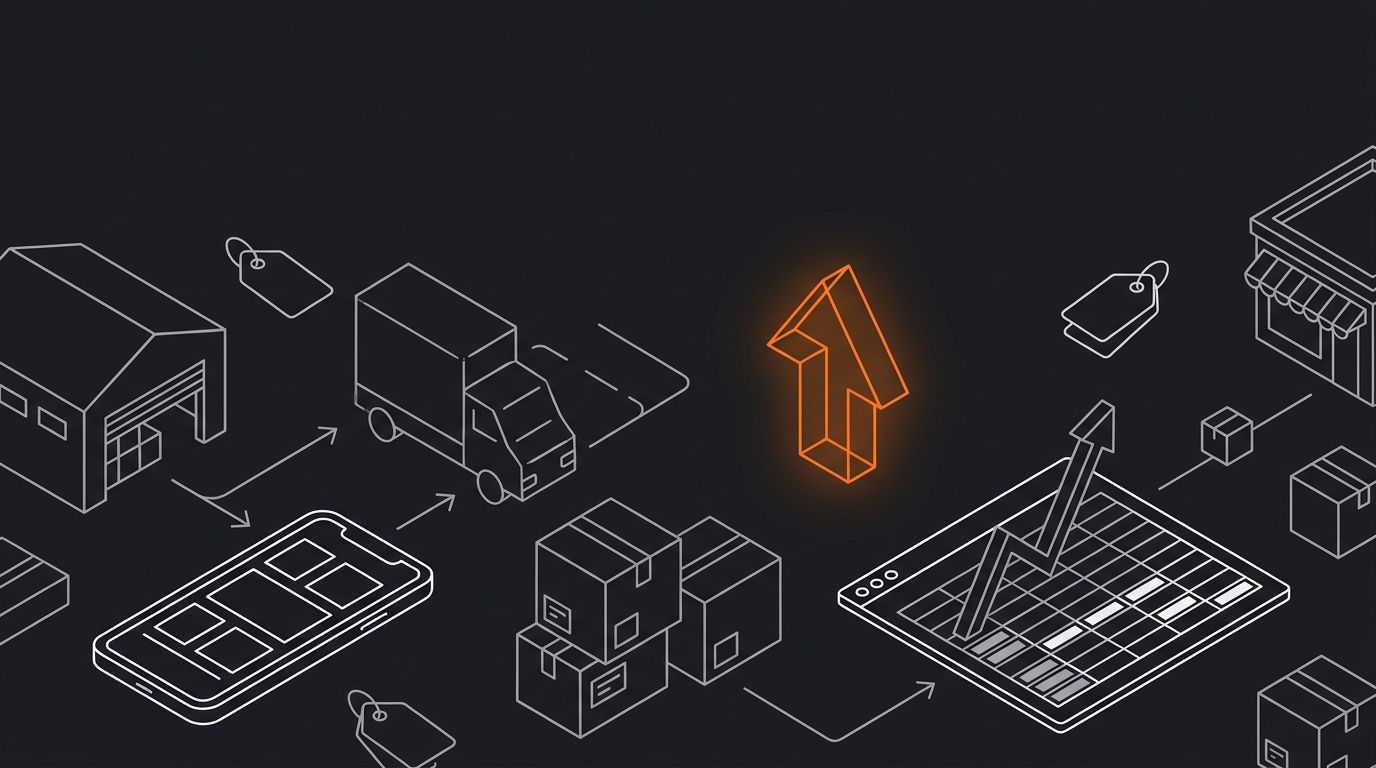
This guide walks you through how to do dropshipping from zero to first sale in under a week. Seven steps cover niche selection, business registration, store setup, supplier vetting, product pricing, test orders, and ad launch, with specific costs and timelines at each stage.
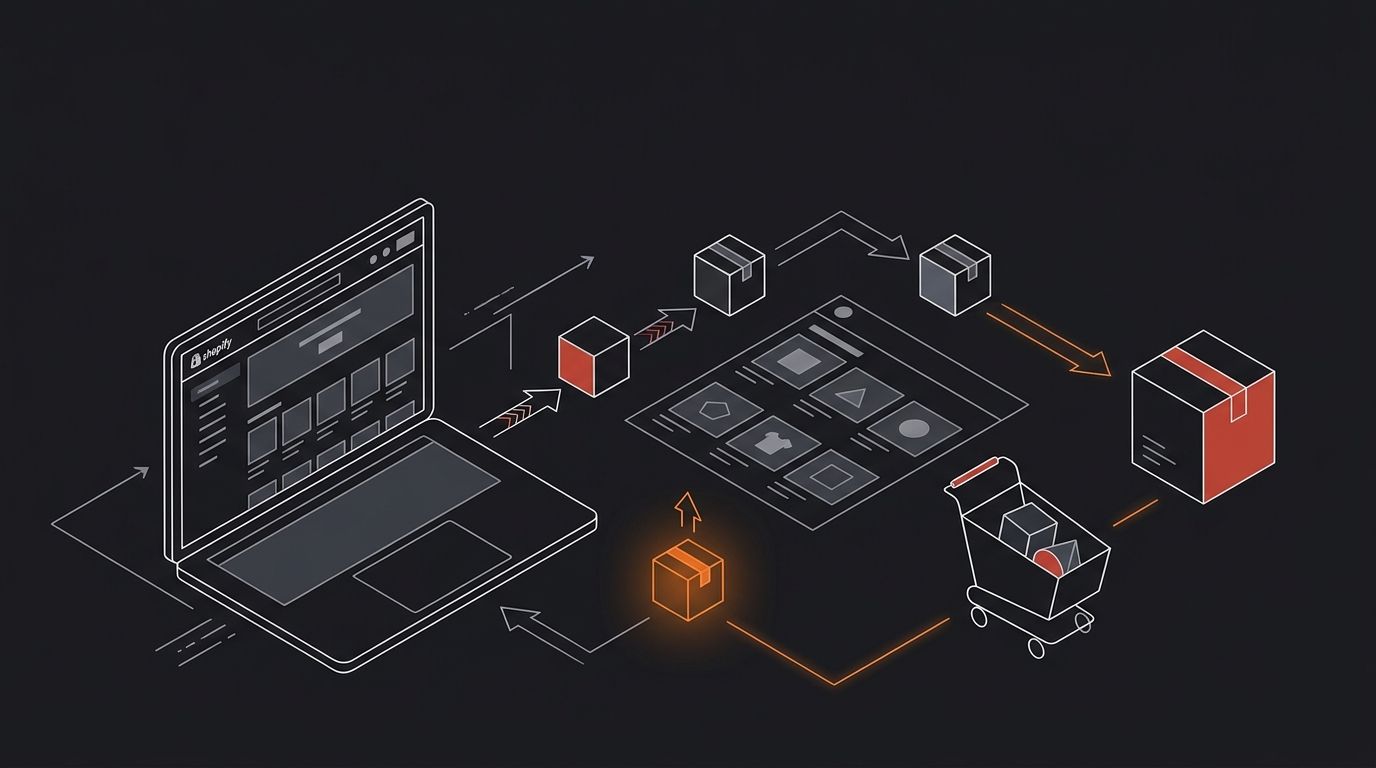
Every step of launching a dropshipping store fits into a single weekend: niche selection, LLC registration, Shopify storefront, supplier vetting, product import, and a live test order. Total startup cost sits under $150, and you'll have a functioning store accepting real orders by Sunday night.
Buyers guides that actually convert follow a five-step framework: define the purchase context, build a comparison matrix, weight criteria, score options, and validate margins.
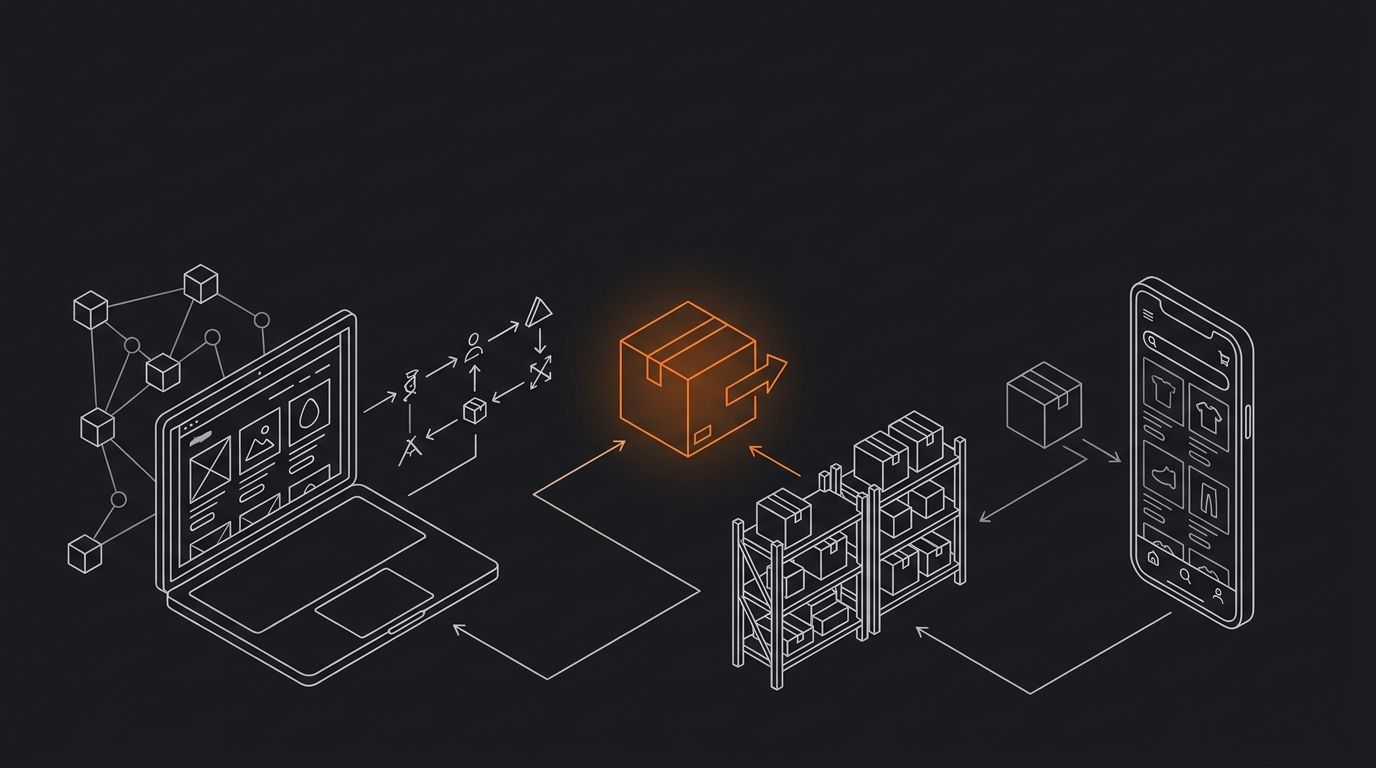
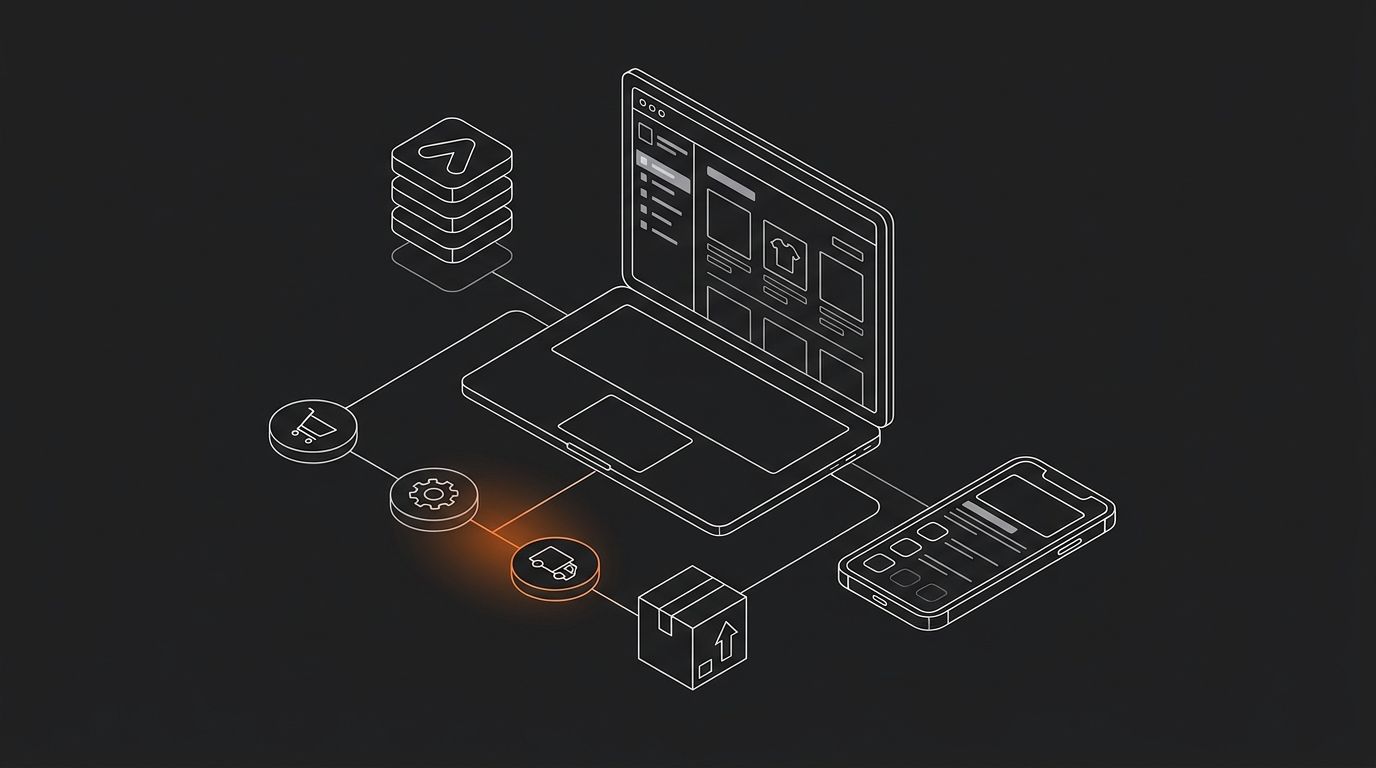
Starting a dropshipping store requires three connected layers: a storefront platform (Shopify leads), a supplier automation app (DSers, Spocket, or Zendrop), and a payment-plus-shipping configuration.
The global dropshipping market is projected to hit $537.8 billion in 2026, expanding at a 23.6% compound annual growth rate through 2032. Dropshipping is an ecommerce fulfillment model where you sell products online without purchasing or storing inventory.
Every dropshipping business built on Shopify, Amazon, Etsy, eBay, or Walmart faces the same registration requirement: formal business filing, a dedicated bank account, and a sales tax permit.
If you can put $1,500 to $3,000 behind paid testing and accept that the first profitable store usually arrives in month four to six, dropshipping is still a viable side-business in 2026 — especially in jewelry, beauty, pets, and home niches with 50%+ gross margins. Skip it if …