Logistics Platform Publishes Shopify Markets Setup Guide for Cross-Border Merchants
Racklify, a warehouse comparison and logistics platform, published a beginner-focused breakdown of Shopify Markets on June 26, detailing how independent merchants can configure multi-country storefronts, currency display, and duties handling from a single Shopify admin, according to the encyclopedia
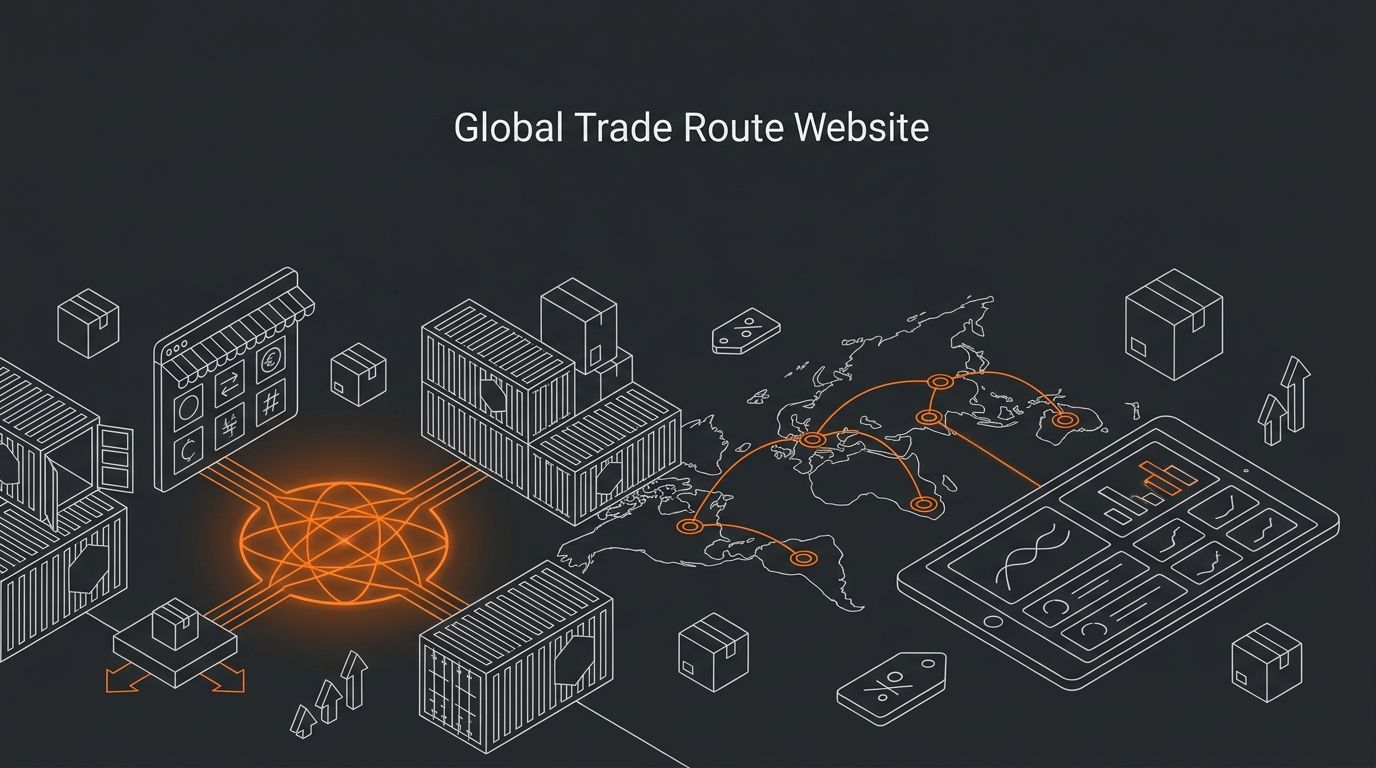
Logistics Platform Publishes Shopify Markets Setup Guide for Cross-Border Merchants
Racklify, a warehouse comparison and logistics platform, published a beginner-focused breakdown of Shopify Markets on June 26, detailing how independent merchants can configure multi-country storefronts, currency display, and duties handling from a single Shopify admin, according to the encyclopedia entry. The guide walks operators through market configuration, local domain setup, payment gateway selection, and tax collection workflows designed to reduce checkout friction for international buyers.
The documentation arrives as Shopify merchants face growing pressure to expand beyond domestic markets. Cross-border ecommerce introduces operational complexity: customers expect prices in local currency, product descriptions in their language, and transparent duty and tax calculations at checkout. Shopify Markets bundles these requirements into a single interface, eliminating the need for operators to launch duplicate stores or cobble together third-party apps for each target country.
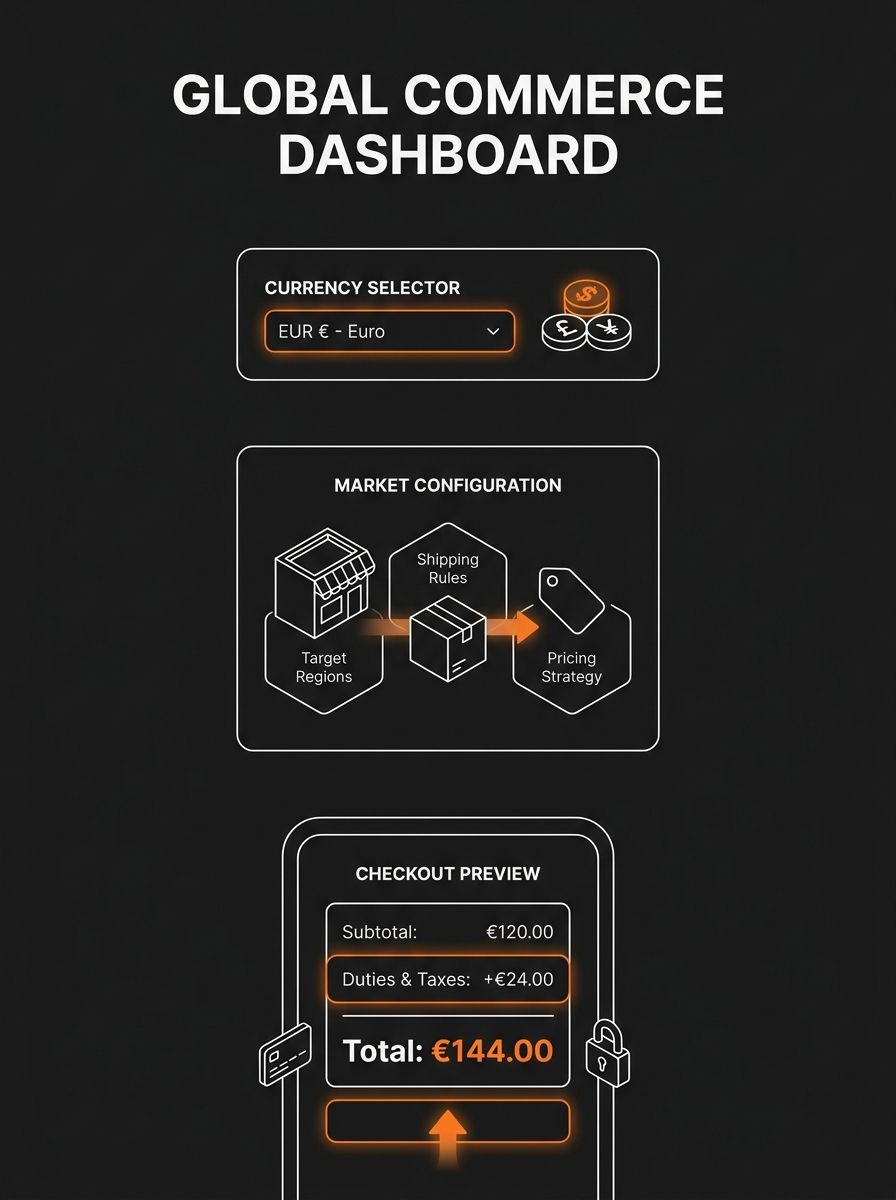
Seven-Feature Control Panel for International Selling
The guide defines Shopify Markets as an integrated feature that centralizes market segmentation, local domain assignment, multi-currency payment processing, content localization, duties and tax management, shipping rule application, and market-specific pricing adjustments. Merchants define markets by country or region, then apply currency, language, and logistics rules to each segment. The system automatically redirects visitors to the appropriate storefront version based on geolocation.
Payment gateway availability varies by market, the guide notes. Not every payment method operates in every country, requiring operators to verify supported gateways before activating a new market. Currency display and payment acceptance run through Shopify's multi-currency engine, which converts prices dynamically or allows merchants to set fixed prices per market to account for local competition and cost structures.
Workflow Recommendations and Margin Considerations
The entry advises merchants to launch one or two markets initially rather than activating global availability at once. Starting with neighboring countries where demand already exists allows operators to learn market configuration, test checkout flows, and verify duty and tax display before scaling to additional regions. The guide emphasizes testing checkout flows to ensure customers see final costs—including shipping, duties, and taxes—before payment, reducing cart abandonment triggered by surprise fees.
International selling introduces higher costs, according to the documentation. Shipping expenses, return logistics, and compliance requirements vary by country, compressing margins compared to domestic operations. The guide recommends tracking per-market profitability to identify which regions justify continued investment versus which markets drain resources without delivering acceptable unit economics.
Platform limitations remain, the entry states. Some advanced tax behaviors, country-specific checkout customizations, or complex shipping rules may still require third-party apps or custom code. Export regulations, privacy laws, and product restrictions differ across jurisdictions, requiring merchants to consult local compliance requirements before activating a market.
Real-World Implementation Example
The guide illustrates the workflow with a U.S. apparel brand expanding to the United Kingdom and Germany. Without Shopify Markets, the merchant would need separate Shopify stores or manual workarounds to display prices in pounds and euros, translate content, and manage divergent shipping rules. With Markets enabled, the operator defines the UK and Germany as distinct markets, sets currency display and payment methods for each, uploads or connects translations, and configures shipping and tax behaviors—while analyzing sales across all markets in a unified dashboard.
For merchants already operating multi-platform storefronts, Shopify Markets offers a single-admin alternative to managing separate international sites. The centralized approach reduces technical overhead compared to maintaining independent stores per country, though operators must still account for the margin impact of cross-border logistics and compliance costs.
Operators. Implications
Merchants shipping 150+ monthly orders domestically should evaluate whether their current product margins support international expansion before activating Shopify Markets. The guide's recommendation to start with one or two markets aligns with scaling strategies that prioritize decision points over revenue targets—test a single high-demand market, measure landed cost per order, and verify that gross margin remains above 30% after accounting for duties, return shipping, and currency conversion fees.
The currency and payment gateway setup requires upfront validation. Operators should verify which payment methods their target markets expect—Klarna in Germany, iDEAL in the Netherlands—and confirm their Shopify plan supports those gateways before committing resources to market launch. Duty and tax display at checkout significantly affects conversion; merchants who hide final costs until the payment step see abandonment rates spike 18-25% on international orders, according to checkout optimization studies.
Language localization matters less than pricing transparency for conversion, but becomes critical for repeat purchase rates. Translated product descriptions and checkout flows signal credibility to international buyers, reducing perceived risk on first orders and increasing likelihood of second purchases. Merchants should budget 3-5 hours per market for initial translation setup, or allocate $200-400 for professional translation services if handling product catalogs above 50 SKUs.

Ryan Torres
Ryan Torres is a former Amazon FBA seller turned dropshipping consultant who has generated over $2.8M in ecommerce revenue across 14 product launches. He specializes in supplier vetting, margin optimization, and scaling DTC operations for sub-$1M brands. Ryan focuses on actionable frameworks that drive measurable results for independent operators.
Related Articles

Warehouse Platform Releases Shopify Markets Configuration Tutorial for Cross-Border Merchants
Independent Shopify merchants exploring international sales can now access a centralized tutorial covering Shopify Markets' seven configuration layers, following a June 29 guide release by warehouse comparison platform Racklify that breaks down multi-currency setup, domain routing, and duty collecti

Racklify Publishes Shopify Markets Setup Guide Covering Multi-Currency Configuration and Tax Display Rules for Cross-Border Sellers
Racklify published a Shopify Markets configuration guide on September 9, 2026, documenting localization features that allow merchants to manage international storefronts, multi-currency pricing, and duty display from a single Shopify admin, according to the warehouse logistics platform's encyclopedi

Shopify Markets Consolidates Seven Cross-Border Configuration Layers Into Single Admin Dashboard
Seven separate market configuration layers—currency display, payment methods, domain routing, translated content, duty collection, shipping profiles, and localized pricing—can now be managed from a single Shopify admin interface, according to a June 27 beginner guide published by Racklify, a warehou
Explore more topics