CBP Suspends $800 Duty Exemption, Launches New Mail Entry Process for Low-Value Imports
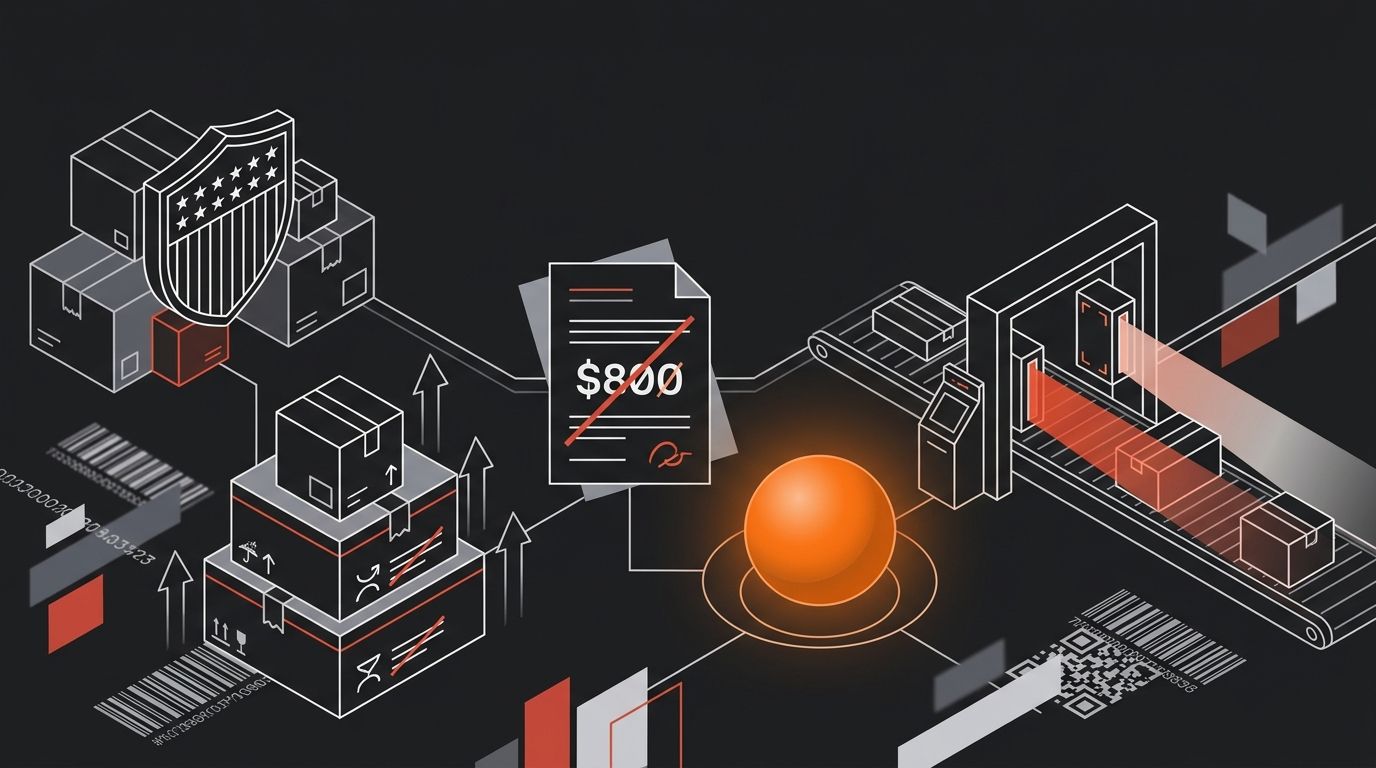
U.S. Customs and Border Protection suspended duty-free treatment for imports under $800 and launched a new mail entry process effective July 24, 2026, requiring dropshipping sellers to prepare detailed product data before shipping test orders to U.S. customers, according to rules published June 24.
CBP Suspends $800 Duty Exemption, Launches New Mail Entry Process for Low-Value Imports
U.S. Customs and Border Protection suspended duty-free treatment for imports under $800 and launched a new mail entry process effective July 24, 2026, requiring dropshipping sellers to prepare detailed product data before shipping test orders to U.S. customers, according to rules published June 24.
The regulatory shift ends a decade-long practice in which low-value overseas shipments cleared U.S. customs with minimal documentation. CBP published separate Federal Register actions covering non-postal shipments and international mail, both suspending the administrative de minimis exemption that previously allowed duty-free entry for packages under $800.
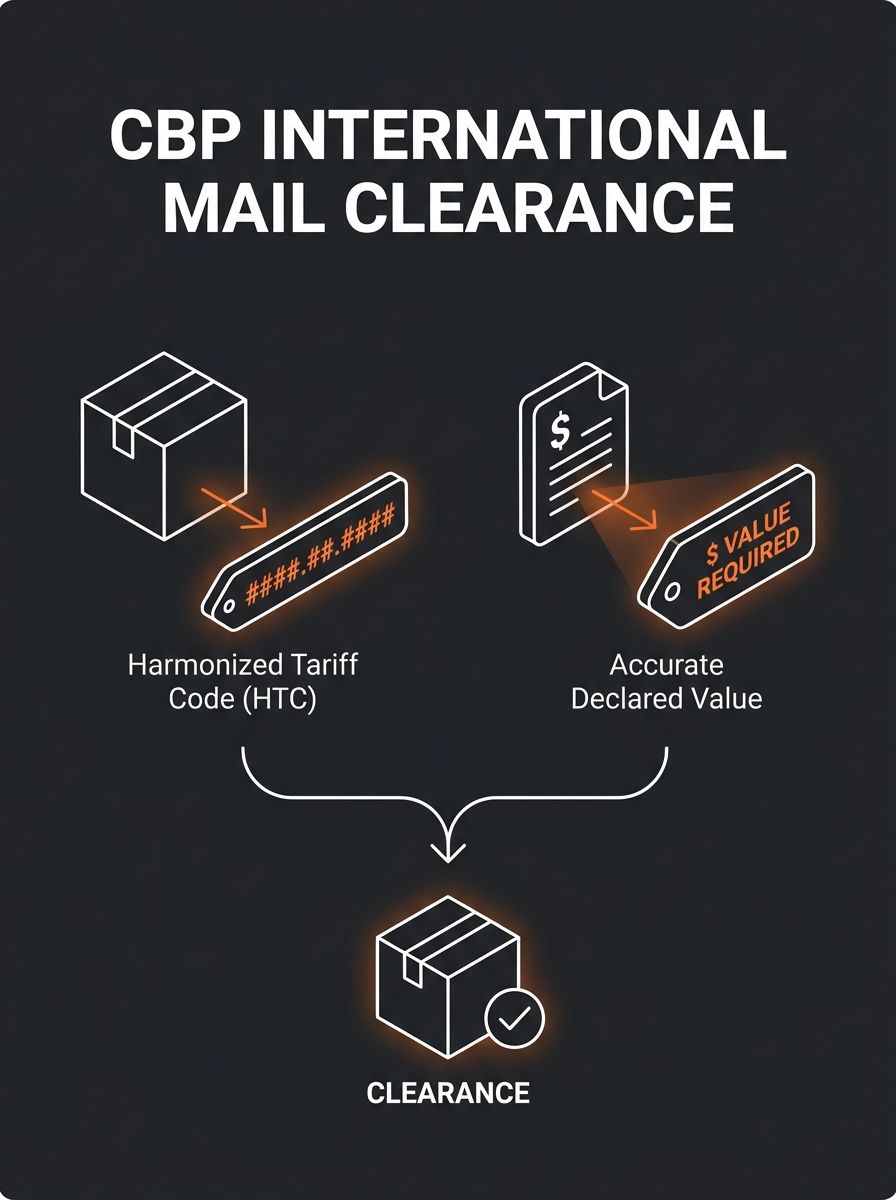
The change affects product testing workflows for dropshipping operators who validate demand by shipping single units directly from overseas suppliers to U.S. buyers. Sellers must now collect harmonized tariff codes, material composition details, country-of-origin data, and landed-cost estimates before listing products, rather than testing items with minimal customs preparation.
Implementation Timeline and Entry Type 13 Test
CBP set four operational milestones between June and October 2026. The agency published the rules on June 24, made the postal rule generally effective July 24, scheduled the Entry Type 13 test launch for September 22, and set delayed compliance requirements for mail entries to take effect October 22.
Entry Type 13 introduces a voluntary electronic informal entry process for international mail shipments valued at $2,500 or less through the Automated Commercial Environment system. The test applies to postal and postal-like shipments that previously moved through less structured clearance channels. CBP excluded shipments subject to anti-dumping duties, countervailing duties, or import quotas from the informal entry pathway; those shipments require formal entry procedures regardless of declared value.
The mail entry process demands more granular product data than sellers typically provided under the suspended de minimis framework. Carriers, freight forwarders, customs brokers, and fulfillment partners handling international mail will need complete product descriptions, accurate valuations, and proper classification codes to file entries on behalf of merchants.
Product Testing Cost Structure Shifts
The regulatory change converts what was effectively a zero-documentation testing channel into a data-intensive clearance process. Dropshipping sellers who test 15 to 25 products per quarter before identifying profitable SKUs now face higher upfront research costs and longer validation timelines.
Sellers previously allocated testing budgets to ad spend and product cost; the new framework adds customs classification research, landed-cost modeling, and documentation preparation as mandatory line items. A seller testing a $4.20 phone case sourced from Guangdong must now determine whether the item classifies under HTS 3926.90 (plastic articles), 4202.32 (cases of plastics), or another heading before the first test order ships. Misclassification triggers customer-facing duty disputes, delayed clearance, or compliance penalties.
The shift penalizes casual product selection. A basic household accessory with clear material composition and no regulatory flags remains a low-friction test candidate. A lithium-battery product, cosmetic item, children's toy, or electronics component now requires safety certifications, labeling compliance checks, and agency-specific documentation before a seller can reliably assess customer demand. Products that appear profitable in margin spreadsheets may become unworkable once compliance costs and clearance delays factor into payback calculations.
Sellers must now separate testing-phase fulfillment from scaling-phase fulfillment. Direct postal shipping may still work for low-risk validation orders, but winning products often need migration to batch purchasing, third-party warehousing, or consolidated shipping arrangements that provide better customs transparency and cost control. The transition point typically occurs when a product generates $2,000 to $5,000 in monthly revenue and clearing risk outweighs supplier convenience.
Operational Readiness Requirements
CBP's changes force sellers to build customs-ready product data sets before testing demand. A functional U.S.-bound SKU file now includes product title, detailed description, material composition, intended use, product images, supplier invoice value, country of origin, preliminary harmonized tariff code, flags for batteries or regulated components, brand-risk assessment, estimated duties and fees, and expected shipping route quality.
The documentation serves three purposes: it supports accurate customs filings, prevents customer surprise fees that damage conversion rates, and enables reliable ad-test interpretation. A product that tests poorly may fail because of weak demand or because fulfillment friction—unexpected duties, long clearance times, unclear tracking—suppresses purchase completion. Sellers who cannot distinguish between the two scenarios waste ad budgets on false negatives.
Product categorization determines testing viability. Simple accessories with stable shipping expectations and clear classifications remain direct-test candidates. Products with batteries, electronics, cosmetics, children's safety requirements, complex textile blends, or trademark exposure need supplier-side documentation and compliance review before the first U.S.-bound order ships. High-revenue products that pass testing should move off postal channels and into controlled fulfillment arrangements with formal entry support and predictable clearance windows.
The changes connect to broader ecommerce infrastructure shifts. Shopify and other platforms are pushing merchants toward structured product data for AI-driven shopping features; CBP's new mail entry requirements create a parallel compliance incentive for the same data hygiene improvements. Sellers who build complete product catalogs gain operational use across multiple channels.
Context and Outlook
The CBP rule change eliminates the regulatory arbitrage that made casual cross-border dropshipping viable at small scale. Sellers who treated U.S.-bound testing as a documentation-free channel must now invest in customs research, supplier coordination, and landed-cost transparency before validating product-market fit. The shift favors operators who already maintain detailed SKU databases and work with suppliers capable of providing complete product specifications.
The timing overlaps with similar regulatory tightening in other markets; the European Union eliminated its €150 duty exemption for small packages effective July 2026, imposing a €3 per-item administrative fee. The parallel moves suggest coordinated pressure on low-value cross-border ecommerce, driven by revenue protection goals and concerns about illicit shipments bypassing formal inspection. Dropshipping operators who built businesses around minimal customs friction face structural margin compression unless they adjust sourcing, fulfillment, and pricing models to accommodate the new compliance baseline.
Entry Type 13 testing through October provides a preview of long-term enforcement direction. Sellers should use the next 90 days to audit existing U.S.-bound SKUs for classification accuracy, build relationships with brokers or forwarders who can handle informal mail entries, and test alternative fulfillment models for products that no longer clear efficiently through direct postal channels. Margin math that worked under de minimis treatment will not survive in a formal-entry environment without recalibration; landed-cost calculation and shipping strategy adjustments become mandatory rather than optional for operators targeting U.S. customers in the second half of 2026.

Ryan Torres
Ryan Torres is a former Amazon FBA seller turned dropshipping consultant who has generated over $2.8M in ecommerce revenue across 14 product launches. He specializes in supplier vetting, margin optimization, and scaling DTC operations for sub-$1M brands. Ryan focuses on actionable frameworks that drive measurable results for independent operators.
Related Articles
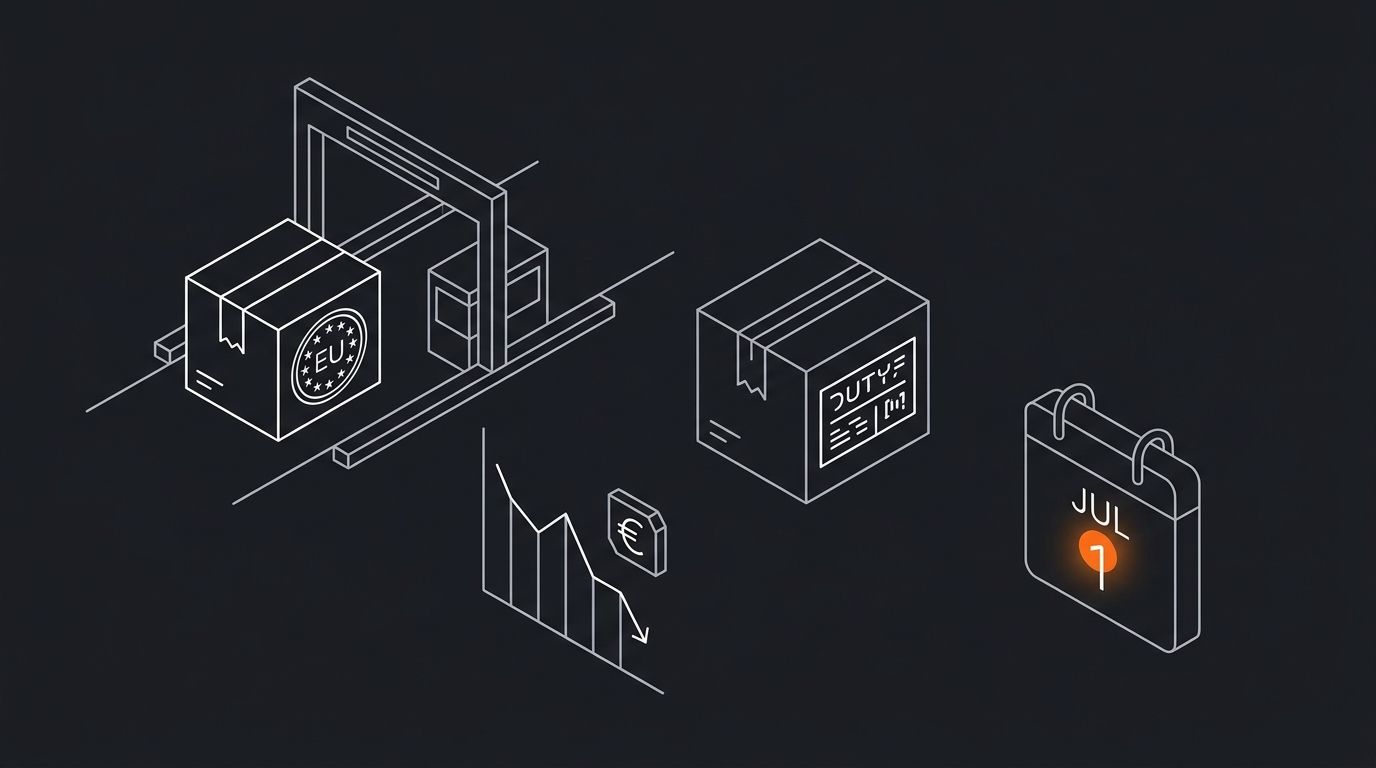
EU Eliminates €150 Duty Exemption for Small Packages; €3 Per-Item Fee Takes Effect July 1
European Union member states will begin collecting a flat €3 customs duty on each tariff line item in packages valued under €150 starting July 1, 2026, eliminating a longstanding duty-free threshold that allowed millions of small shipments from China-based suppliers to enter the bloc without border
Cross-Border Tariffs & Import Duties: The Hidden Margin Killer Dropshippers Overlook
Every package entering the U.S. from China now triggers a full customs entry.

SendFromChina Publishes DDP Shipping Breakdown for Ecommerce Sellers Weighing Customer Experience Against Import Cost Absorption
SendFromChina released a DDP (Delivered Duty Paid) shipping guide on July 14 breaking down when ecommerce sellers should prepay import duties and taxes versus passing those charges to customers at delivery, according to the fulfillment platform's news center.
Explore more topics