SendFromChina Publishes Six-Step Fulfillment Center Workflow Guide Targeting Ecommerce Operators Evaluating Third-Party Logistics
SendFromChina released a comprehensive fulfillment center guide on July 22, 2026, breaking down warehouse operations into six sequential stages—receiving, storage, order processing, picking and packing, shipping, and returns processing—according to documentation published on the logistics provider's
SendFromChina Publishes Six-Step Fulfillment Center Workflow Guide Targeting Ecommerce Operators Evaluating Third-Party Logistics
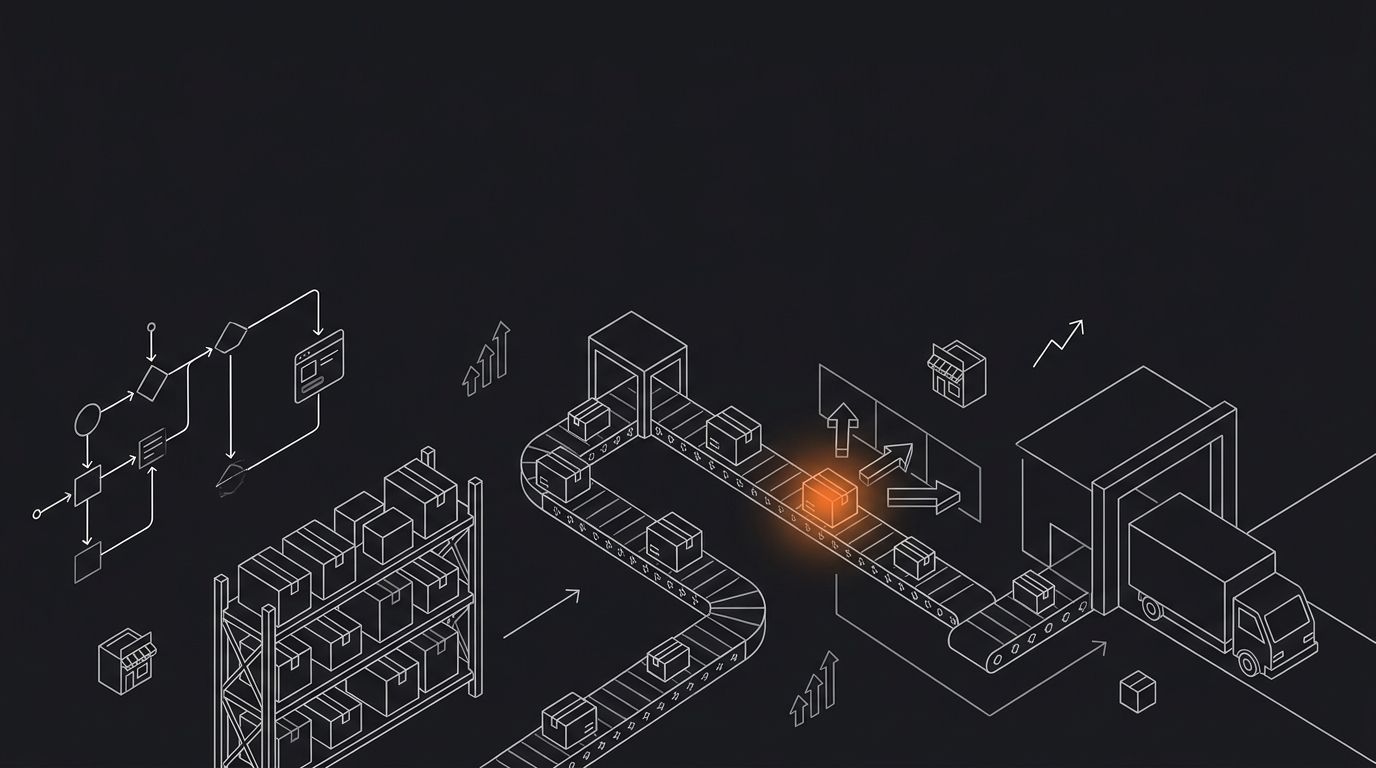
SendFromChina released a comprehensive fulfillment center guide on July 22, 2026, breaking down warehouse operations into six sequential stages—receiving, storage, order processing, picking and packing, shipping, and returns processing—according to documentation published on the logistics provider's website. The guide positions fulfillment centers as third-party warehouses handling inventory management, order packing, and carrier coordination for ecommerce sellers.
The publication arrives as cross-border sellers face increased operational complexity following recent customs changes. The guide defines fulfillment centers as physical warehouses managing end-to-end logistics—from inventory receipt through carrier handoff—enabling online merchants to outsource storage and shipping while focusing on product sourcing and customer acquisition.
Warehouse Management System Integration
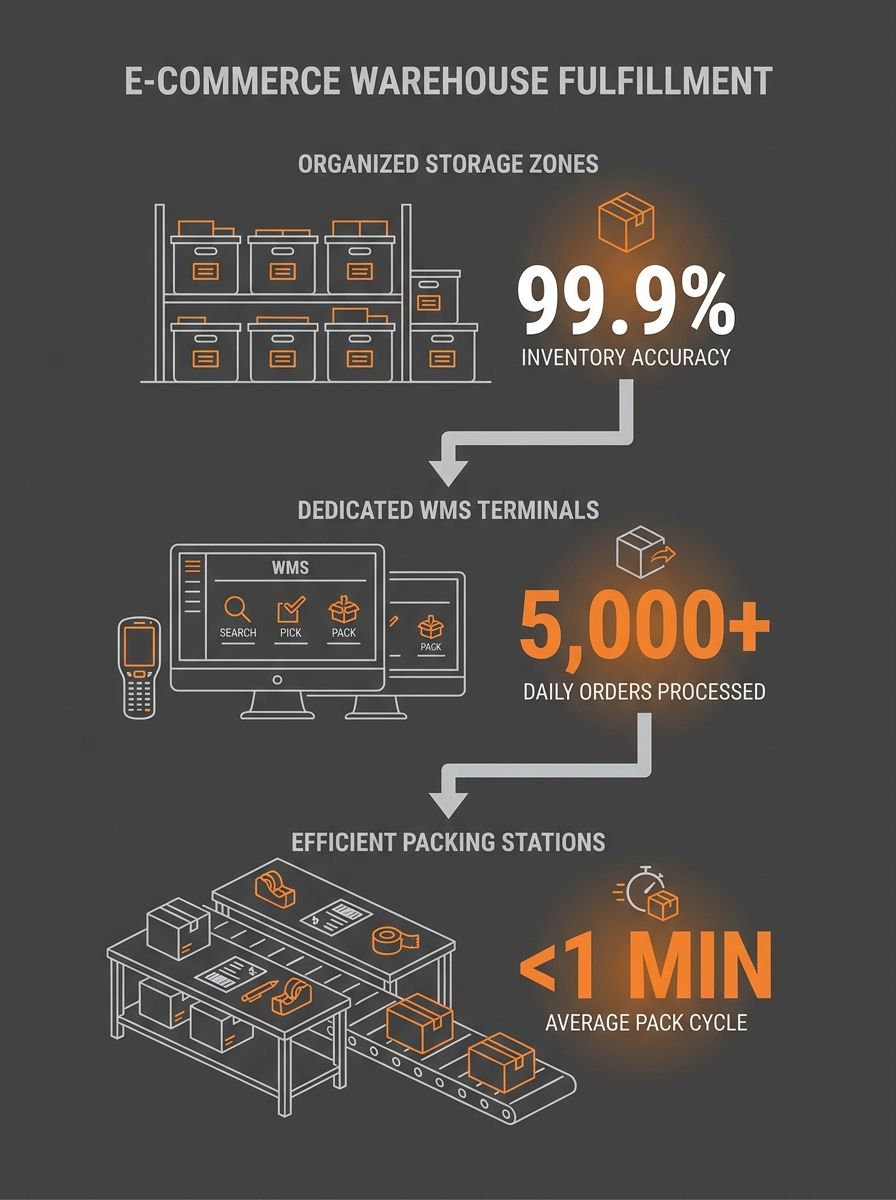
SendFromChina's guide emphasizes warehouse management system (WMS) integration as the operational backbone of fulfillment centers. The documentation explains that inventory is recorded in real-time tracking systems upon arrival, with products stored in bins, shelves, or pallets based on size and order velocity.
When customers place orders through Shopify or other platforms, the fulfillment center receives order data via API connection, the guide states. The WMS assigns product locations automatically, triggering either staff-based or robotic picking depending on facility automation level. SendFromChina operates facilities offering pick and pack, kitting and assembly, and Amazon prep services under this integration model.
Geographic Distribution Strategy
The guide positions multi-location fulfillment as a delivery speed lever. By storing inventory in facilities closer to end customers, sellers reduce transit distance and compress shipping windows, according to the documentation. SendFromChina notes this approach parallels the multi-carrier coordination strategy Cainiao used to cut cross-border delivery variability for AliExpress sellers.
The guide contrasts fulfillment centers with self-managed warehouses. Operating proprietary storage requires investment in infrastructure, staff, and technology, the publication states. Fulfillment centers pool resources across multiple merchant clients, distributing fixed costs and driving down per-unit fulfillment expenses.
Cost Structure and Scalability Trade-Offs
SendFromChina's documentation lists four primary advantages: faster delivery through regional warehousing, scalability without capital investment in storage facilities, reduced logistics costs through shared infrastructure, and simplified operations allowing merchants to concentrate on marketing and product development.
The guide acknowledges drawbacks. Sellers lose direct control over packing quality and carrier selection. Per-order fulfillment fees accumulate as volume increases—high-velocity stores may find in-house warehousing more economical past certain thresholds. Return processing policies vary by provider, with some fulfillment centers charging additional fees for reverse logistics handling.
Integration complexity surfaces as another consideration. Connecting ecommerce platforms to fulfillment center WMS systems requires technical setup and ongoing data synchronization. Order errors—incorrect items picked or damaged packaging—escalate customer service burden when sellers lack physical proximity to inventory.
Service Tier Variations
The documentation segments fulfillment services into specialized offerings. SendFromChina's published service menu includes multi-channel logistics (managing inventory across Amazon, Shopify, and other platforms from a single warehouse), crowdfunding fulfillment for Kickstarter campaigns, board game fulfillment addressing oversized packaging requirements, and value-added services such as product kitting and consolidated shipping.
Amazon prep service emerged as a specific call-out. The guide explains this addresses FBA preparation requirements—product labeling, polybagging, case packing—for merchants selling through Amazon but preferring to avoid direct FBA warehousing costs. Fulfillment centers handle FBA compliance tasks, then ship prepared inventory to Amazon distribution centers.
Sellers evaluating shipping cost frameworks and delivery speed trade-offs can compare fulfillment center partnerships against direct shipping from suppliers. The guide positions fulfillment centers as particularly relevant for merchants managing inventory from multiple sources or requiring domestic shipping speeds from overseas-manufactured products.
What Happens Next
SendFromChina's publication timing coincides with heightened attention to import logistics following the July 24 elimination of the $800 duty-free threshold. Sellers previously relying on de minimis treatment now weigh domestic fulfillment against direct cross-border shipping, with the new customs regime adding per-shipment documentation and potential duty costs.
The guide's six-step workflow breakdown gives dropshippers and DTC operators a due-diligence framework for vetting 3PL providers. Merchants can audit prospective fulfillment partners on WMS capability, storage method, picking accuracy rates, carrier network breadth, and returns processing protocols. Operators already using DDP shipping to absorb import costs may find domestic fulfillment centers eliminate customs complexity by shifting inventory before orders materialize.
Volume sellers calculating make-versus-buy decisions on warehousing now have published benchmarks. SendFromChina's cost-sharing emphasis suggests break-even analysis should compare per-order fulfillment fees against fixed warehouse lease, labor, and technology expenses. Stores shipping 500+ monthly orders can model whether in-house operations or 3PL contracts yield better unit economics at their current scale.

Ryan Torres
Ryan Torres is a former Amazon FBA seller turned dropshipping consultant who has generated over $2.8M in ecommerce revenue across 14 product launches. He specializes in supplier vetting, margin optimization, and scaling DTC operations for sub-$1M brands. Ryan focuses on actionable frameworks that drive measurable results for independent operators.
Related Articles

SendFromChina Publishes DDP Shipping Breakdown for Ecommerce Sellers Weighing Customer Experience Against Import Cost Absorption
SendFromChina released a DDP (Delivered Duty Paid) shipping guide on July 14 breaking down when ecommerce sellers should prepay import duties and taxes versus passing those charges to customers at delivery, according to the fulfillment platform's news center.
SendFromChina Publishes Consolidated Shipping Guide Covering LCL Cost-Sharing Methods for E-Commerce Sellers
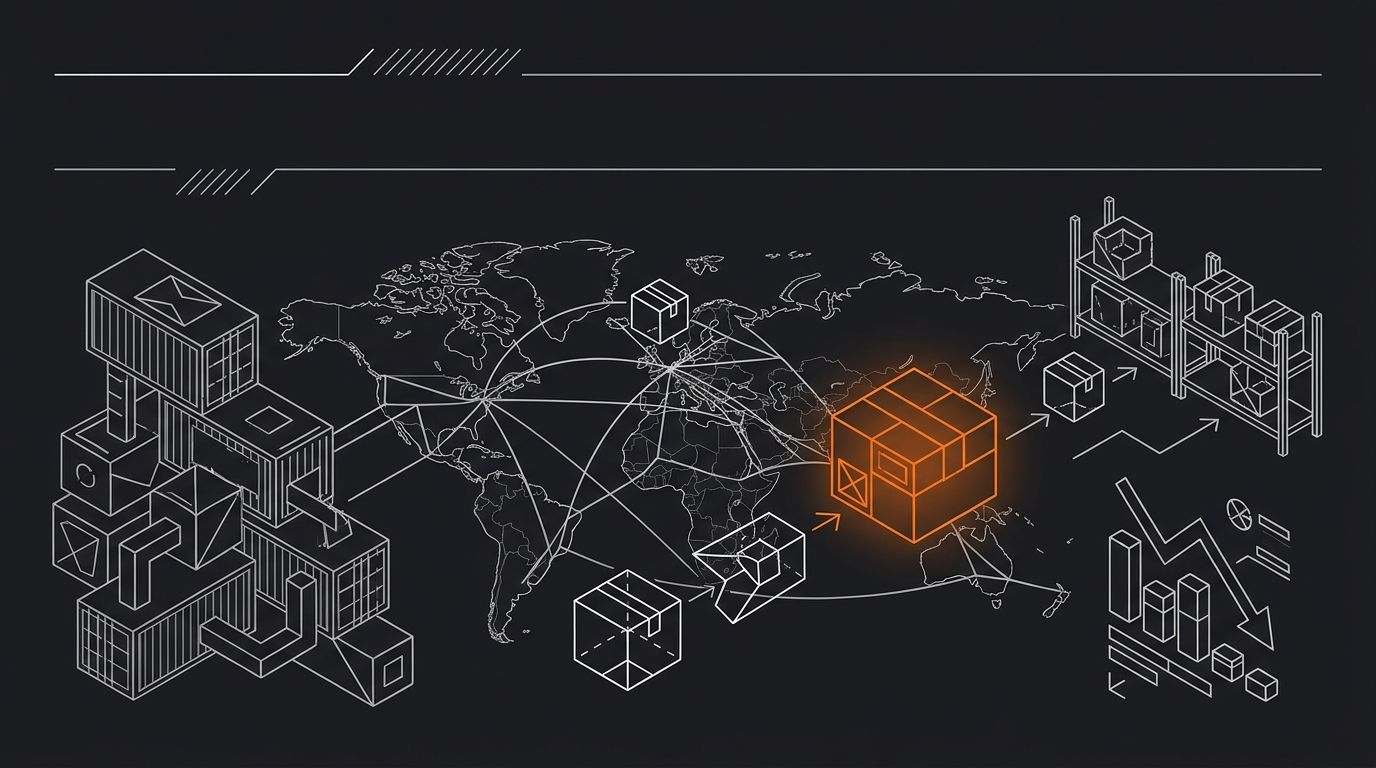
SendFromChina published a consolidated shipping guide on September 6, 2026, documenting cost-sharing logistics methods that allow e-commerce operators to combine multiple smaller shipments into single containers, reducing per-unit freight costs for sellers shipping less-than-container-load volumes f
SendFromChina Publishes Seven-Factor Shipping Cost Framework Targeting Dropshippers Managing Delivery Margins
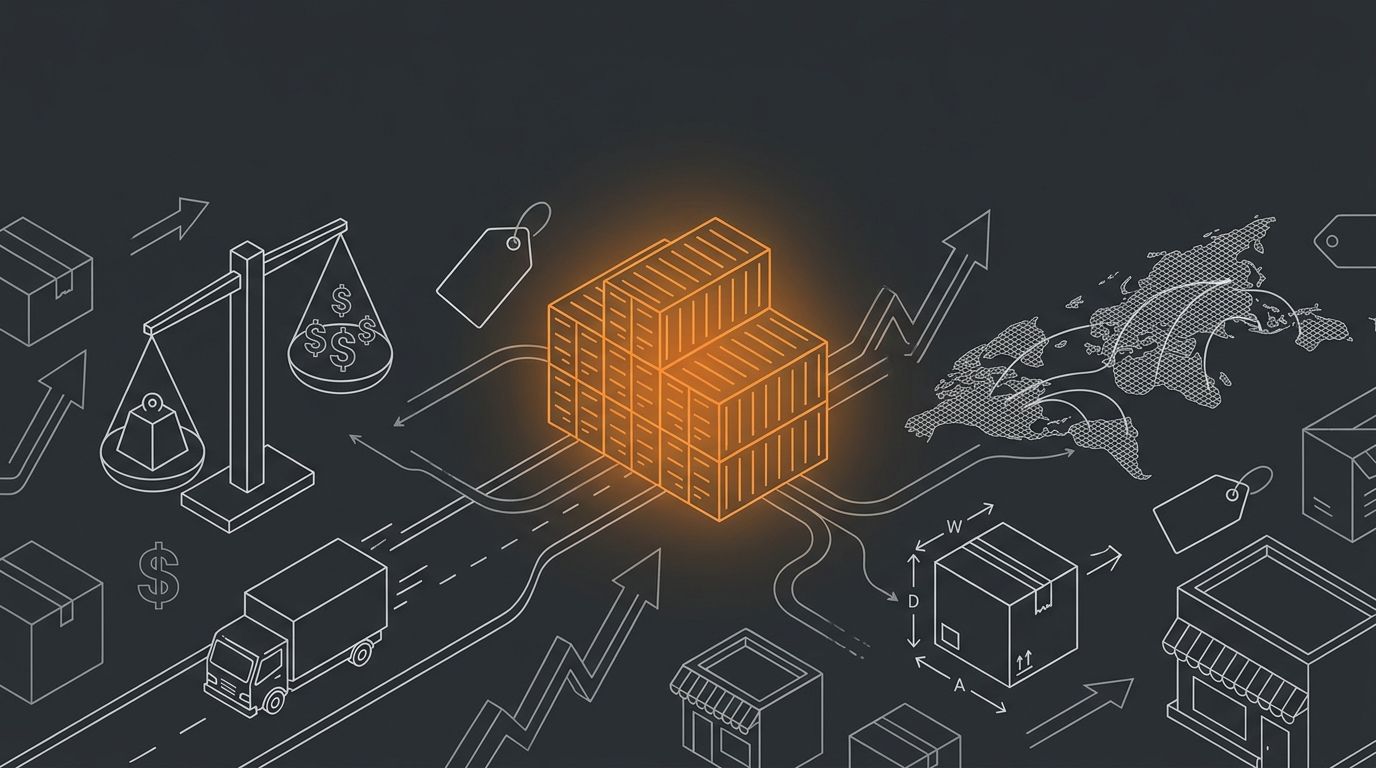
Package weight, dimensions, shipping zones, carrier selection, delivery speed, product type, and insurance requirements form the seven primary cost drivers for ecommerce shipping, according to a comprehensive guide released by SendFromChina on July 20 targeting dropshippers optimizing delivery margi
Explore more topics