LooperBuy Publishes B2B Wholesale App Comparison Positioning Its Platform Against Six Sourcing Marketplaces
LooperBuy published a B2B wholesale app comparison guide on August 3, 2026, evaluating six sourcing platforms including Alibaba and Global Sources while positioning its own service as a combined sourcing-and-fulfillment system designed to reduce inventory risk for global sellers managing China-based
LooperBuy Publishes B2B Wholesale App Comparison Positioning Its Platform Against Six Sourcing Marketplaces
LooperBuy published a B2B wholesale app comparison guide on August 3, 2026, evaluating six sourcing platforms including Alibaba and Global Sources while positioning its own service as a combined sourcing-and-fulfillment system designed to reduce inventory risk for global sellers managing China-based procurement, according to the company's blog.
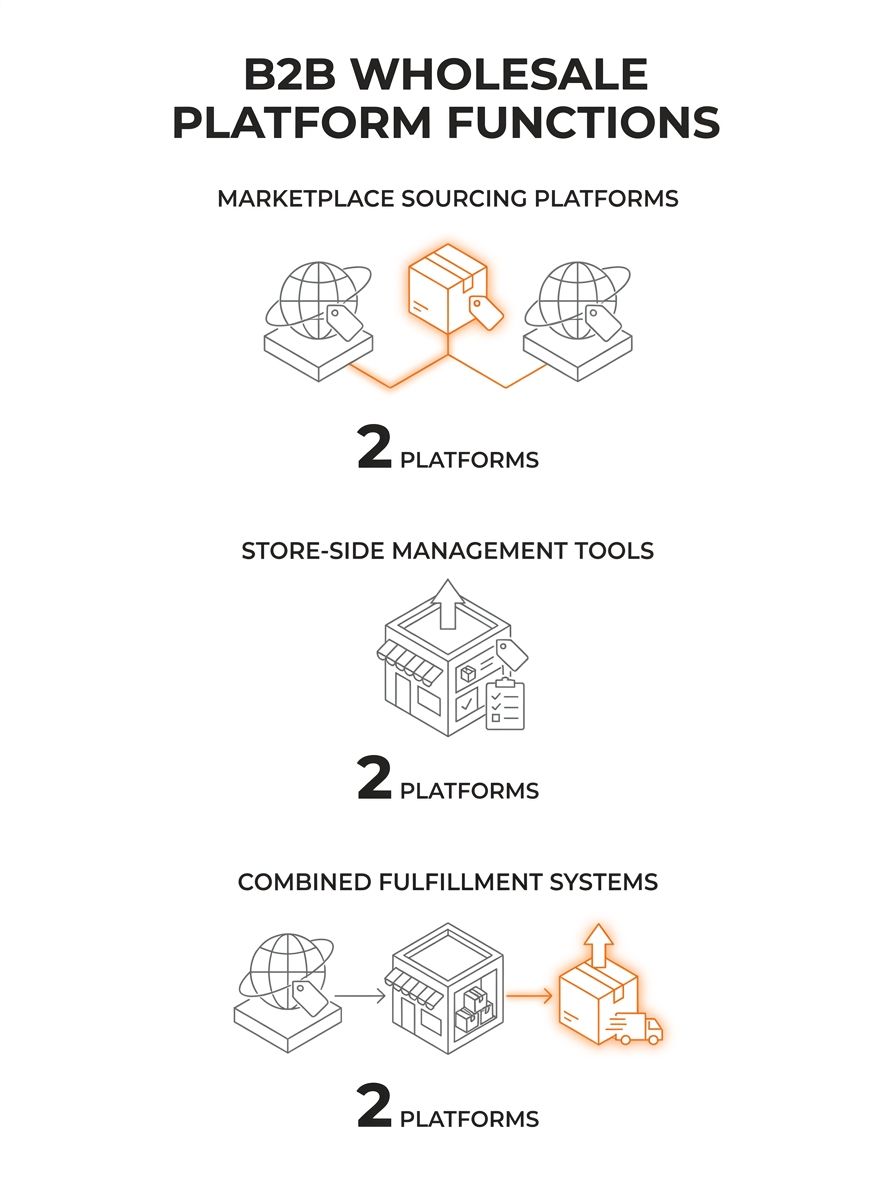
The guide segments platforms into three categories: marketplace sourcing apps that emphasize supplier discovery and verification, store-side wholesale tools that manage pricing tiers and gated catalogs, and combined sourcing-fulfillment platforms that handle procurement and logistics in one workflow. The framework directs buyers toward marketplace apps when the primary need is product sourcing and supplier comparison, toward Shopify wholesale apps when pricing control for existing customers is the priority, and toward sourcing-fulfillment platforms when lower inventory exposure matters more than catalog breadth.
Platform-by-Platform Breakdown
LooperBuy evaluated Global Sources for verified supplier checks and trade show connections, Alibaba for Trade Assurance protection and broad catalog access, and Made-in-China for structured RFQ workflows and TradeMessenger communication. The guide describes IndiaMART as the dominant B2B marketplace for Indian supplier discovery with mobile quote collection, and Faire as a curated wholesale platform focused on independent retailers with net terms and free returns on first orders.
Shopify wholesale apps received separate treatment. The guide references tools such as Wholesale Pricing Now, Wholesale Gorilla, and B2B Wholesale Club as customer-tag-based solutions that enable volume discounts and gated catalogs within a unified retail-wholesale storefront. These apps are positioned for sellers who want to avoid splitting operations across multiple systems.
The guide notes that marketplace apps solve supplier comparison and verification but do not typically handle order execution, storage, or shipping coordination beyond basic tracking. Store-side apps manage pricing rules but assume the seller already controls inventory and fulfillment operations.
Three-Tier Selection Framework
LooperBuy's framework asks buyers to match app type to operating model rather than search for a universal "best" platform. The first tier—marketplace apps—fits sellers whose main need is product sourcing and supplier comparison across multiple vendors. The second tier—Shopify wholesale apps—fits brands that already have wholesale customers and need pricing control, volume discounts, and access management within an existing Shopify store.
The third tier covers sourcing-and-fulfillment platforms that combine factory access, storage, shipping support, and order execution in one coordinated flow. This category is positioned for sellers who want to reduce upfront inventory commitments and avoid managing procurement, warehousing, and logistics as separate operational tasks. The guide describes this model as useful for fast-growth sellers who need lower inventory exposure rather than maximum catalog control.
The framework explicitly states that distributors, retailers, and custom product brands require different workflows. A fast-growth seller does not need the same app architecture as a distributor managing SKU-level pricing for existing wholesale accounts.
LooperBuy's Self-Positioning
LooperBuy describes its own platform as distinct from wholesale directories. The company positions itself as combining China sourcing, product discovery, order execution, storage, logistics support, and multi-currency handling into one system for global sellers. The guide states this approach is designed to reduce upfront inventory pressure and support both dropshipping and bulk buying within the same operational layer.
The company's workflow is described as moving from product research to shipped order without requiring sellers to handle every operational task independently. This model assumes buyers value procurement coordination and fulfillment support over direct supplier relationships or catalog ownership. The guide does not disclose pricing, minimum order quantities, or specific fulfillment timelines for LooperBuy's service.
Platform selection frameworks that segment by function rather than feature count align with common supplier vetting practices that prioritize operational fit over catalog size. The emphasis on inventory risk reduction parallels strategies used by sellers evaluating Shopify dropshipping apps that emphasize fulfillment automation over product control.
The Takeaway
LooperBuy's guide frames the B2B wholesale app decision as an operating-model choice rather than a feature comparison. Sellers focused on supplier discovery will gravitate toward marketplace platforms; those managing existing wholesale accounts within Shopify will choose pricing-control apps; and operators prioritizing inventory risk reduction over catalog ownership may prefer combined sourcing-fulfillment systems. The three-tier framework provides a practical sorting mechanism for sellers who need clarity on which platform type matches their procurement model.
The guide's self-positioning reveals LooperBuy's strategic emphasis on buyers who want China sourcing handled end-to-end rather than those who prefer direct supplier relationships. This approach competes less with Alibaba's catalog breadth and more with the operational burden of coordinating procurement, storage, and shipping across disconnected vendors. Sellers evaluating the framework should assess whether procurement coordination or supplier control drives more value in their current workflow before committing to any single platform category.

Ryan Torres
Ryan Torres is a former Amazon FBA seller turned dropshipping consultant who has generated over $2.8M in ecommerce revenue across 14 product launches. He specializes in supplier vetting, margin optimization, and scaling DTC operations for sub-$1M brands. Ryan focuses on actionable frameworks that drive measurable results for independent operators.
Related Articles
LooperBuy Publishes Sourcing Model Comparison Positioning Dropshipping as Validation Tool and China Sourcing as Scale Path
LooperBuy published a sourcing model comparison framework on August 12 positioning dropshipping suppliers as fulfillment partners for product testing and international sourcing companies as supply-chain management partners for margin optimization and brand control, according to the blog post.
Dropshipping Platform Guide Breaks Down Storefront vs. Sourcing Trade-offs Across Nine Provider Categories
Dropshipping operators choosing between marketplace listings and standalone storefronts face fundamentally different cost structures, shipping timelines, and quality control requirements, according to a platform comparison guide 4Topic published June 22. The analysis separates nine provider categori

LooperBuy Publishes Etsy Sourcing Framework Detailing 1688.com Access and Five-Criteria Supplier Vetting for Production Partner Model
Etsy sellers using China-based production partners can now access 1688.com's 10 million product catalog through LooperBuy's B2B platform, according to a sourcing guide published July 30, 2026, that details five supplier vetting criteria and factory-direct pricing 25-40% below Western alternatives.
Explore more topics