Eighteen Percent of AliExpress Dropshipping Suppliers Exited Platform in First Five Months of 2026 as China's Factory Base Consolidates
An estimated 18% of active AliExpress dropshipping suppliers exited the platform between January and May 2026, folding into larger factory collectives in Guangdong, Foshan, and Yiwu, according to sourcing intelligence firm Syncee's internal supplier index cited in a LooperBuy guide published August
Eighteen Percent of AliExpress Dropshipping Suppliers Exited Platform in First Five Months of 2026 as China's Factory Base Consolidates
An estimated 18% of active AliExpress dropshipping suppliers exited the platform between January and May 2026, folding into larger factory collectives in Guangdong, Foshan, and Yiwu, according to sourcing intelligence firm Syncee's internal supplier index cited in a LooperBuy guide published August 4, 2026.
The consolidation wave represents a structural shift in China's supplier base, driven by rising domestic labor costs, stricter environmental compliance requirements, and intensified customs scrutiny, according to the LooperBuy report. The surviving operations are larger factories with dedicated export infrastructure, English-speaking account managers, and white-label packaging capabilities.
China's exports reached RMB 9.33 trillion (US$1.37 trillion) in the first four months of 2026, up 11.3 percent year-on-year, the guide states. Mobile Phone Manufacturing remains China's biggest exporting industry at $150.8 billion in exports.
Supplier Verification Requirements Tighten
The share of Shopify dropshipping merchants using a single sourcing platform dropped from 61% in Q1 2025 to 44% in Q1 2026, according to figures cited in the LooperBuy analysis. The shift reflects a multi-supplier operational model becoming standard for stores generating more than $50,000 per month in gross merchandise volume.
LooperBuy's guide outlines a five-step framework for supplier verification in 2026, emphasizing demand validation through Google Trends data, pricing benchmarks showing Chinese suppliers offering B2B pricing 25–40% lower than European or North American alternatives, and logistics cost evaluation before product selection.
The platform recommends vetting suppliers for dedicated export infrastructure, white-label packaging capabilities at scale, positive track records with international B2B buyers, and transparent pricing with clear lead-time communication.
Product Categories and Margin Benchmarks
China's manufacturing ecosystem covers approximately 90% of global B2B supply categories, from industrial components and electrical supplies to consumer goods and custom manufacturing parts, the LooperBuy report states. The platform's guide identifies stable demand categories for 2026 dropshipping including desk organizers, travel pouches, small home-storage products, generic craft supplies, packaging accessories, non-powered tech accessories, and pet lifestyle products.
High-ticket categories like furniture and home décor are emerging as profitable niches with average order values of $400–$2,000, according to the analysis. The guide notes that stable, consistent demand at moderate levels often outperforms viral spikes because competition stays lower.
The report emphasizes that shipping costs, delivery times, and return policies determine final profitability beyond product pricing alone. LooperBuy positions its own platform as a combined sourcing-and-fulfillment service offering access to verified China suppliers with English-speaking account management.
Guangdong and Yiwu Factory Hubs Centralize Operations
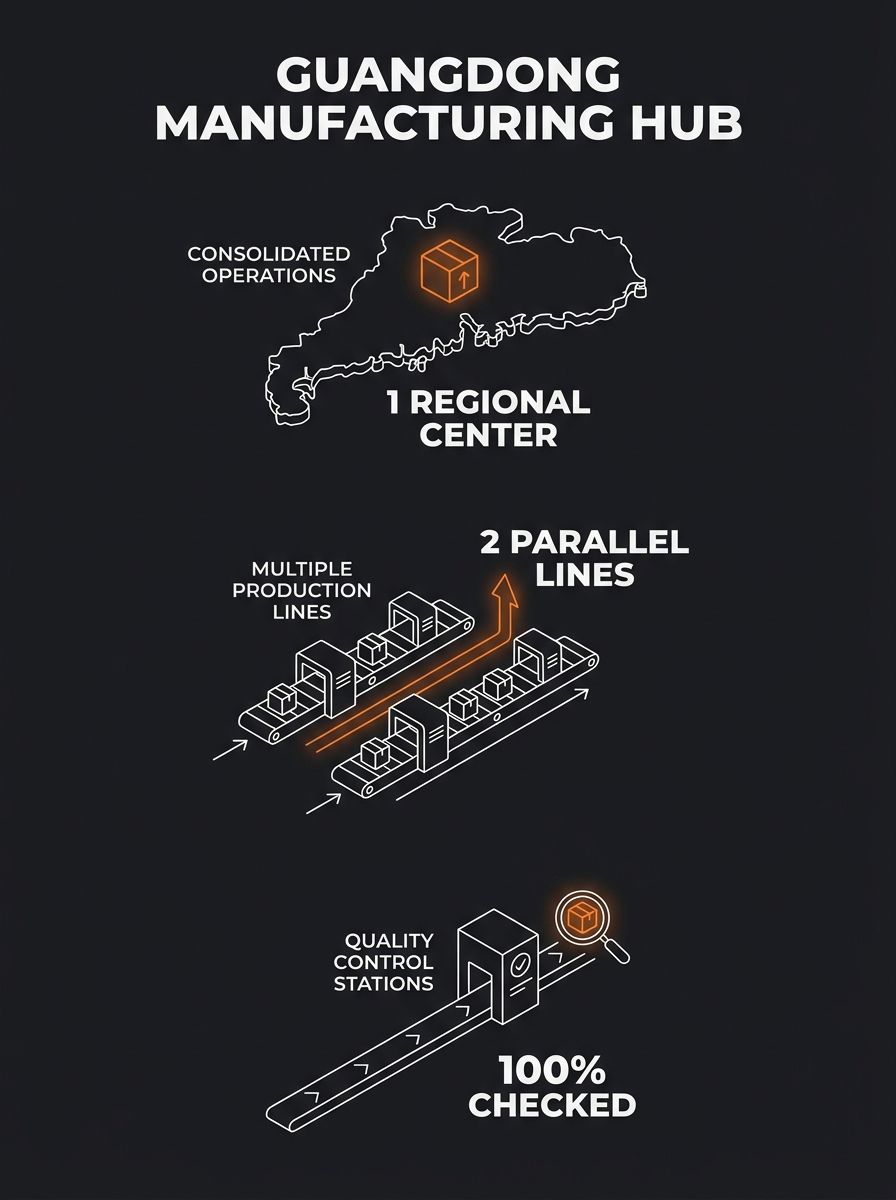
Regional manufacturing hubs in the Pearl River Delta and Yangtze River Delta now operate as consolidated fulfillment co-ops rather than individual vendors, the guide states. These factory collectives maintain over 200 major ports and logistics hubs capable of shipping globally, supporting both bulk and small-batch B2B orders.
The consolidation creates faster, more consistent fulfillment for dropshippers who know how to identify and negotiate with these larger operations, according to LooperBuy's analysis. The platform's guide recommends starting with customer problems rather than products, validating demand with search data, sourcing from verified suppliers only, evaluating full logistics costs, and testing sample orders before scaling.
The August 4 publication follows LooperBuy's July positioning against six sourcing marketplaces including Alibaba and Global Sources, and a beauty supplier vetting framework targeting cosmetics dropshippers.
What This Means for Dropshipping Entrepreneurs
The 18% supplier exit rate signals that the fragmented AliExpress vendor ecosystem of 2022–2024 no longer exists. Operators relying on single-supplier models face higher risk of sudden inventory gaps or fulfillment delays as smaller factories continue consolidating or closing through 2026.
The shift to multi-supplier operations among Shopify merchants doing $50,000+ monthly GMV reflects defensive sourcing: maintaining backup suppliers in different regional hubs (Guangdong, Foshan, Yiwu) to avoid single-point-of-failure scenarios. Entrepreneurs evaluating new China-based suppliers should now verify export infrastructure, English-language account management, and white-label packaging capabilities as baseline requirements rather than premium features.
For stores testing high-ticket categories (furniture, home décor with $400–$2,000 AOVs), the consolidation wave offers an advantage: larger factory collectives can absorb custom packaging requests and handle quality control at scale, improving unit economics on orders where shipping cost represents a smaller percentage of total landed cost. Budget 25–40% cost advantage over domestic suppliers when modeling China-sourced product margins, but add two to four weeks to delivery windows compared to US-based fulfillment.

Ryan Torres
Ryan Torres is a former Amazon FBA seller turned dropshipping consultant who has generated over $2.8M in ecommerce revenue across 14 product launches. He specializes in supplier vetting, margin optimization, and scaling DTC operations for sub-$1M brands. Ryan focuses on actionable frameworks that drive measurable results for independent operators.
Related Articles
LooperBuy Publishes Sourcing Model Comparison Positioning Dropshipping as Validation Tool and China Sourcing as Scale Path
LooperBuy published a sourcing model comparison framework on August 12 positioning dropshipping suppliers as fulfillment partners for product testing and international sourcing companies as supply-chain management partners for margin optimization and brand control, according to the blog post.
SendFromChina Publishes Category-Based AliExpress Alternative Guide Segmenting Suppliers by Product Type and Minimum Order Quantities
SendFromChina released a supplier sourcing guide on July 18 breaking down AliExpress alternatives across six product categories—clothing, electronics, home textiles, and smallware—with platform-specific data on minimum order quantities, shipping speeds, and pricing tiers, according to the company's
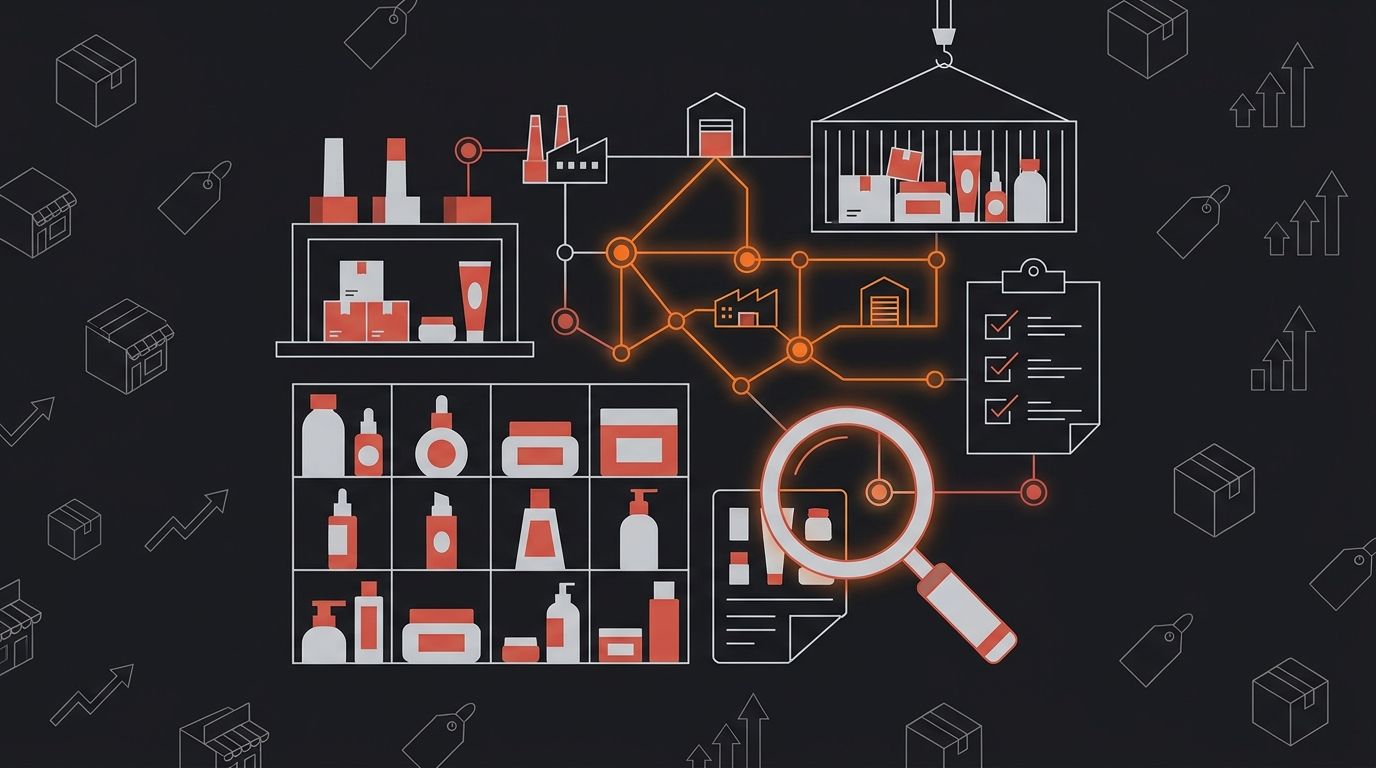
LooperBuy Publishes Beauty Supplier Vetting Framework Targeting Dropshippers Sourcing Cosmetics From China's $145 Billion Trade Hub
LooperBuy released a beauty dropshipping supplier guide on July 29, 2026, detailing an eight-step vetting framework for Chinese cosmetics manufacturers as the global dropshipping market approaches $507.18 billion in 2026.
Explore more topics