1688.com Payment Barrier Guide Published by LooperBuy Documenting Four Routes for International Buyers Unable to Use Foreign Cards
China's largest domestic wholesale marketplace blocks foreign credit cards, PayPal, and international bank transfers at checkout, limiting access to factory-direct pricing that runs 4% to 15% below competing B2B platforms, according to a payment methods guide published August 5, 2026 by LooperBuy, a
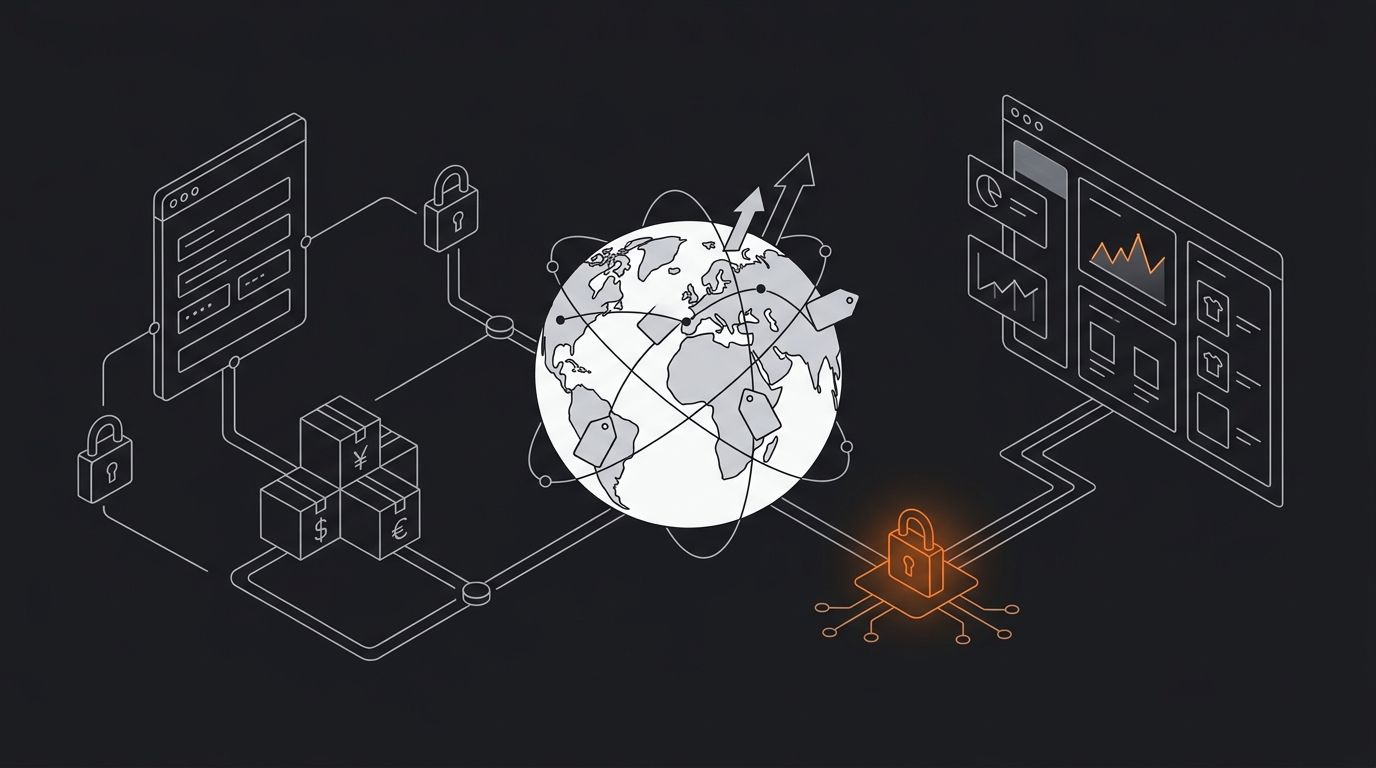
1688.com Payment Barrier Guide Published by LooperBuy Documenting Four Routes for International Buyers Unable to Use Foreign Cards
China's largest domestic wholesale marketplace blocks foreign credit cards, PayPal, and international bank transfers at checkout, limiting access to factory-direct pricing that runs 4% to 15% below competing B2B platforms, according to a payment methods guide published August 5, 2026 by LooperBuy, a B2B sourcing platform targeting ecommerce operators evaluating Chinese suppliers.
The 75-section guide maps payment infrastructure on 1688.com, Alibaba Group's Mandarin-language wholesale platform serving 10 million suppliers across 1,700 product categories. The platform processes transactions exclusively through Alipay accounts linked to Chinese bank accounts, WeChat Pay domestic accounts, and mainland Chinese bank transfers, the guide states.
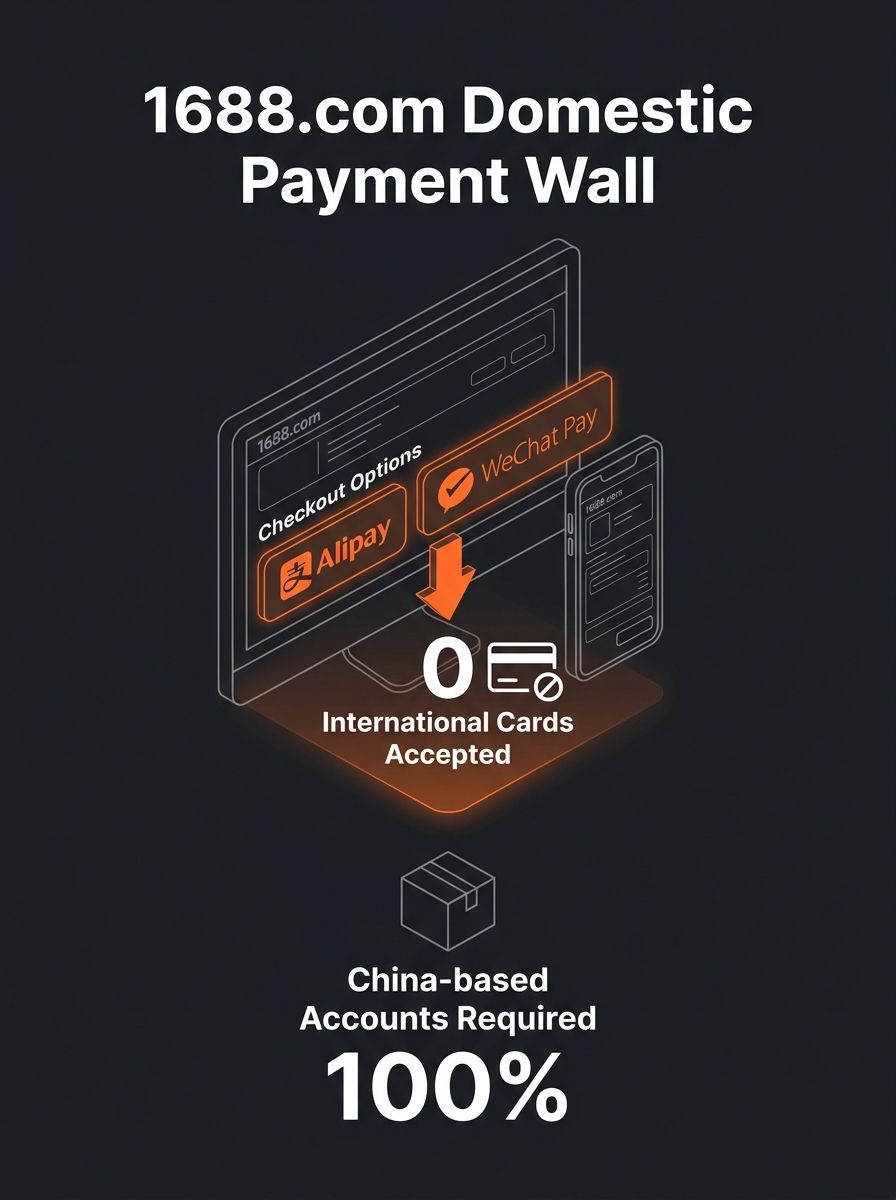
International debit cards, Visa, Mastercard, American Express, and PayPal fail at checkout because 1688.com operates entirely on domestic Chinese payment rails without an international gateway, according to the publication. The payment barrier excludes buyers from accessing factory-direct pricing that the guide quantifies at 4% to 15% below Alibaba.com and Global Sources pricing, with some categories showing 40% differentials.
Four Payment Routes Documented
LooperBuy's guide details four practical methods for international buyers to complete 1688.com transactions despite the platform's domestic-only payment infrastructure.
Route one involves China-based sourcing agents who browse 1688.com, negotiate with suppliers in Mandarin, place orders using Chinese payment accounts, receive goods at mainland warehouses, and arrange international consolidation. Platforms including Superbuy, Pandabuy, and CSSBuy operate as purchasing agents charging service fees the guide pegs at 5% to 10% of order value plus international shipping costs.
Route two documents Alipay International Business account setup paired with Cross-border Pay functionality that allows overseas merchants to top up accounts with foreign funds and settle 1688.com purchases, the guide states. This route requires existing Chinese supplier relationships or business entity registration.
The guide positions LooperBuy's own platform as a fifth option that eliminates payment friction by operating as a combined sourcing and settlement intermediary. The company handles supplier communication, order placement, quality inspection, and international logistics while settling payments directly with Chinese factories through domestic accounts.
Currency Conversion Math Affects Margins
The guide breaks down foreign exchange friction layers affecting cross-border 1688.com payments. Local currency typically converts to US dollars, then USD converts to Chinese Yuan (RMB) before reaching suppliers, with each conversion carrying a spread that erodes product margins.
Chinese Yuan exists in two forms with separate exchange rates, the guide explains. Onshore CNY circulates inside mainland China under capital controls managed by the People's Bank of China, while offshore CNH trades freely in Hong Kong and Singapore markets. Settling in CNH through multi-currency accounts removes one conversion layer, directly reducing FX costs on recurring orders.
Buyers sourcing products priced at ¥50,000 RMB per container face cumulative conversion spreads ranging from 2% to 4% when settling through traditional banking channels compared to specialized B2B payment platforms, according to the guide's cost breakdown tables.
Platform Built for Domestic Market
1688.com launched in 1999 as Alibaba Group's domestic B2B marketplace connecting Chinese manufacturers with wholesalers inside China, the guide states. The entire platform operates in Mandarin with prices listed in RMB and settlement occurring through Alipay or direct bank transfers to Chinese accounts.
The payment infrastructure wasn't designed to accommodate foreign instruments, and no international gateway exists to process overseas cards or PayPal accounts, according to the publication. This represents a policy embedded in the platform's technical architecture rather than a restriction buyers can appeal.
For ecommerce operators conducting supplier research across Chinese wholesale platforms, the payment barrier functions as a gatekeeping layer that requires either agent intermediaries, Chinese entity setup, or sourcing platforms with domestic payment capabilities.
What Happens Next
The guide positions 1688.com payment access as a margin play for dropshippers and DTC operators willing to navigate China's domestic payment rails. Product-cost differentials of 4% to 15% below Alibaba.com translate directly to gross margin expansion when operators source recurring inventory at container-level volumes.
Ecom founders evaluating 1688.com suppliers against AliExpress or Alibaba.com alternatives will need to factor agent fees, FX conversion costs, and payment settlement timelines into total landed cost calculations. A ¥80 factory-direct product on 1688.com plus 7% agent fee still delivers better unit economics than a $15 Alibaba.com listing when order quantities exceed 500 units per SKU, according to the guide's margin math examples.
LooperBuy's publication arrives as Chinese factory consolidation reduces supplier counts on consumer-facing platforms including AliExpress, pushing serious ecommerce operators toward wholesale marketplaces where payment complexity serves as a barrier to entry that protects pricing from retail arbitrage competition.

Ryan Torres
Ryan Torres is a former Amazon FBA seller turned dropshipping consultant who has generated over $2.8M in ecommerce revenue across 14 product launches. He specializes in supplier vetting, margin optimization, and scaling DTC operations for sub-$1M brands. Ryan focuses on actionable frameworks that drive measurable results for independent operators.
Related Articles
SendFromChina Publishes Category-Based AliExpress Alternative Guide Segmenting Suppliers by Product Type and Minimum Order Quantities
SendFromChina released a supplier sourcing guide on July 18 breaking down AliExpress alternatives across six product categories—clothing, electronics, home textiles, and smallware—with platform-specific data on minimum order quantities, shipping speeds, and pricing tiers, according to the company's
Eighteen Percent of AliExpress Dropshipping Suppliers Exited Platform in First Five Months of 2026 as China's Factory Base Consolidates
An estimated 18% of active AliExpress dropshipping suppliers exited the platform between January and May 2026, folding into larger factory collectives in Guangdong, Foshan, and Yiwu, according to sourcing intelligence firm Syncee's internal supplier index cited in a LooperBuy guide published August
LooperBuy Publishes Etsy Sourcing Framework Detailing 1688.com Access and Five-Criteria Supplier Vetting for Production Partner Model
Etsy sellers using China-based production partners can now access 1688.com's 10 million product catalog through LooperBuy's B2B platform, according to a sourcing guide published July 30, 2026, that details five supplier vetting criteria and factory-direct pricing 25-40% below Western alternatives.
Explore more topics