Whatnot-Shopify Integration Automates Product Sync for Live Commerce Sellers
Whatnot launched direct integration with Shopify in late April 2026, enabling merchants to sync inventory, pricing, and order data between platforms without manual entry, according to a Retail Boss report. The livestream marketplace said 70% of its sellers struggled with cross-platform synchronizati
Whatnot-Shopify Integration Automates Product Sync for Live Commerce Sellers
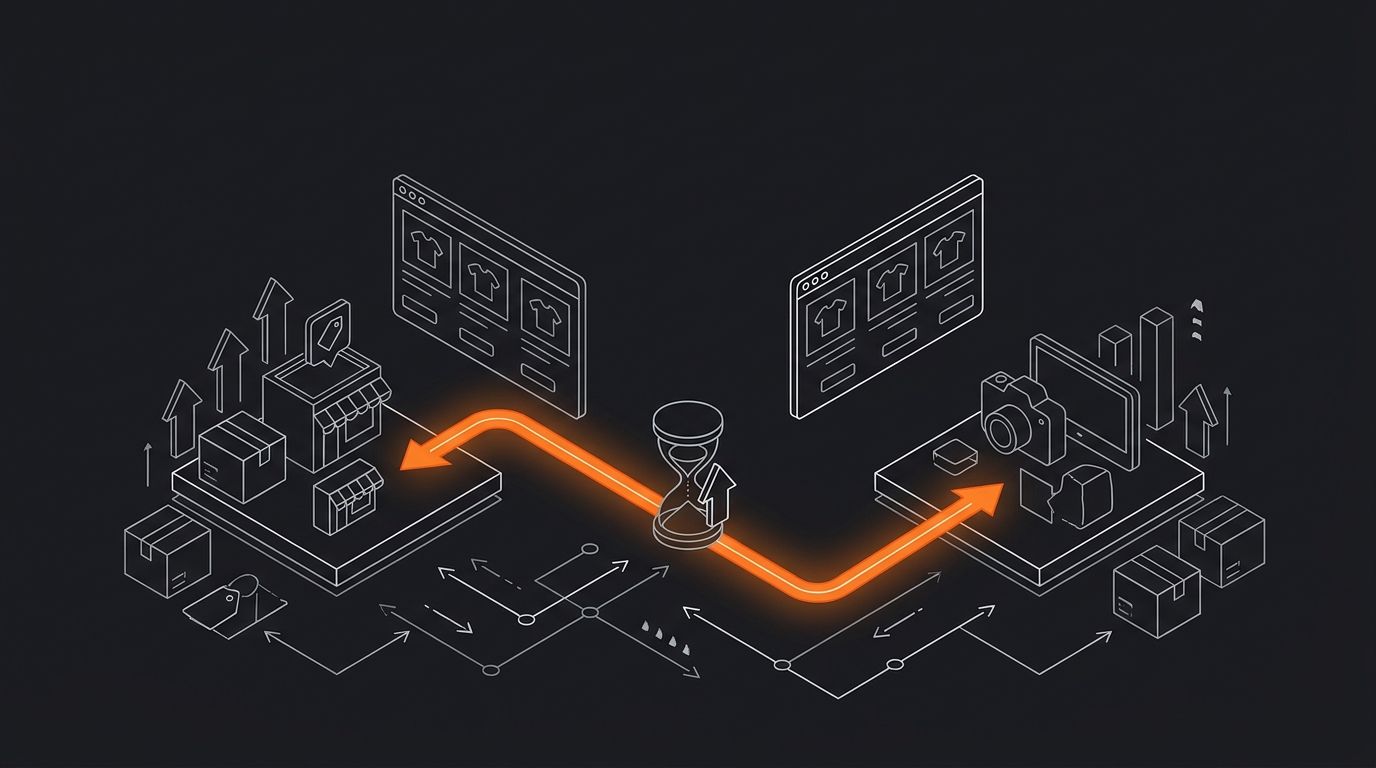
Whatnot launched direct integration with Shopify in late April 2026, enabling merchants to sync inventory, pricing, and order data between platforms without manual entry, according to a Retail Boss report. The livestream marketplace said 70% of its sellers struggled with cross-platform synchronization before the partnership, a friction point that kept merchants from allocating more hours to on-camera selling.
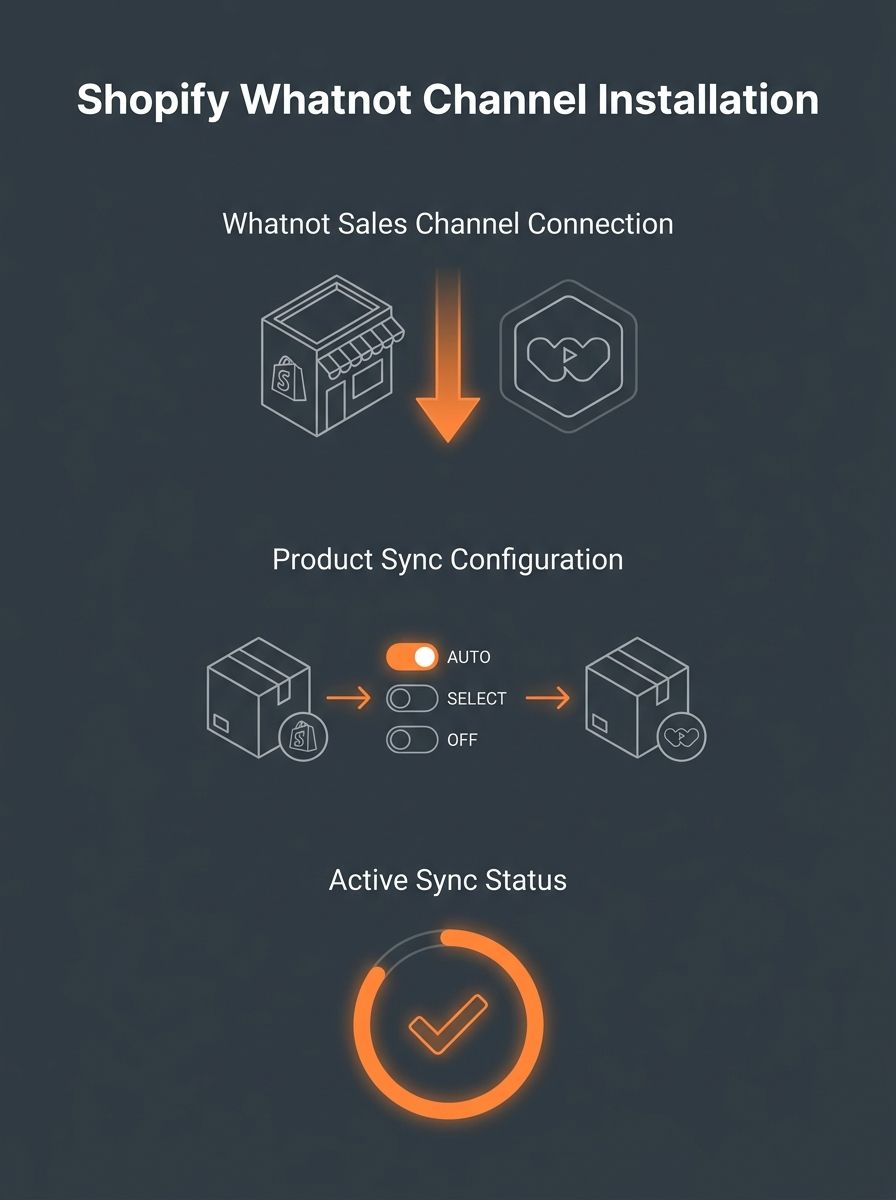
Sellers install Whatnot as a sales channel inside Shopify's admin panel, select which SKUs to list, and Whatnot mirrors product descriptions, variants, and prices already stored in Shopify. Orders placed during livestreams flow back into Shopify's order management system automatically. The integration eliminated double-entry catalog work that previously consumed time sellers could spend streaming.
Beta Results and Merchant Response
The integration drove more than $10 million in sales across 20 product categories during beta testing, Whatnot reported. Natural dog treat retailer Gaines Pet increased weekly streaming hours from 10-12 to 30 after installing the integration, and projected a further 30% increase in May. Luxury handbag seller FashioNica said bulk product management through Shopify allowed faster product launches while keeping order data synchronized across both platforms.
Whatnot cited internal survey data showing 90% of sellers on its platform believe live commerce is no longer optional for growth. The synchronization issue affected merchants attempting to sell through multiple storefronts simultaneously — a common strategy for operators managing Shopify stores alongside marketplaces like eBay, Amazon, or TikTok Shop.
Platform Economics for Live Sellers
Live commerce introduces variable operational costs that differ from static product listings. Streaming requires dedicated time blocks — Gaines Pet's 30 hours weekly translates to roughly $333 per streaming hour at $10,000 weekly sales, before accounting for product costs, Whatnot fees, and Shopify transaction charges. The automation layer removes catalog prep time from that equation, shifting more hours toward revenue-generating camera time rather than administrative updates.
Whatnot charges sellers a selling fee structure similar to other marketplaces, though the platform has not published standard rates publicly. Shopify merchants already pay monthly platform fees ($39-$399 for standard plans) plus payment processing fees (2.4%-2.9% + 30¢ per transaction depending on plan tier). The integration does not appear to add new fees beyond what sellers already incur on each platform separately.
For merchants evaluating whether live commerce fits their operations alongside traditional store channels, the synchronization benefit matters most when catalog size exceeds 50-100 SKUs or when products have multiple variants (color, size, material). Single-SKU sellers or micro-catalogs see less operational lift from automated sync. The time-to-revenue calculation hinges on whether a seller can convert streaming hours into sales velocity that exceeds what those same hours would generate through paid ads, email campaigns, or product photography for static listings.
Operators. Implications
Independent Shopify merchants now have infrastructure to test live selling without rebuilding their catalog from scratch or reconciling orders manually. The barrier dropped from "set up an entire second storefront" to "install an app and go live." For operators already running decent margins on Shopify — contribution margin above 40%, customer acquisition cost under $50 — live commerce becomes a incremental channel test rather than a platform migration bet.
The constraint isn't technical anymore; it's performance. Streaming 30 hours weekly requires inventory depth, reorder velocity, and on-camera skills most dropshippers don't have. This fits best for merchants holding stock, running branded stores, or working with suppliers who can fulfill same-day or next-day after a live sale closes. Aliexpress 15-day shipping kills the live commerce model. Domestic suppliers, print-on-demand with 2-3 day turnarounds, or warehouse partnerships become table stakes.
Whatnot's $10 million beta figure across 20 categories suggests category concentration — collectibles, fashion, pet products, and niche enthusiast goods dominate live platforms. Commodity household items rarely convert on livestreams. If your niche doesn't have an audience willing to watch someone unbox, demonstrate, or discuss products in real time, the Shopify sync won't matter. Run the unit economics first: streaming hours × average hourly GMV × your margin percentage. If that number beats your current CAC-to-LTV payback period, test it. If not, the integration just added a sales channel you don't need.

Ryan Torres
Ryan Torres is a former Amazon FBA seller turned dropshipping consultant who has generated over $2.8M in ecommerce revenue across 14 product launches. He specializes in supplier vetting, margin optimization, and scaling DTC operations for sub-$1M brands. Ryan focuses on actionable frameworks that drive measurable results for independent operators.
Explore more topics