Why Your Niche Research Tool Isn't Finding Profitable Markets (And What Signal You're Missing)
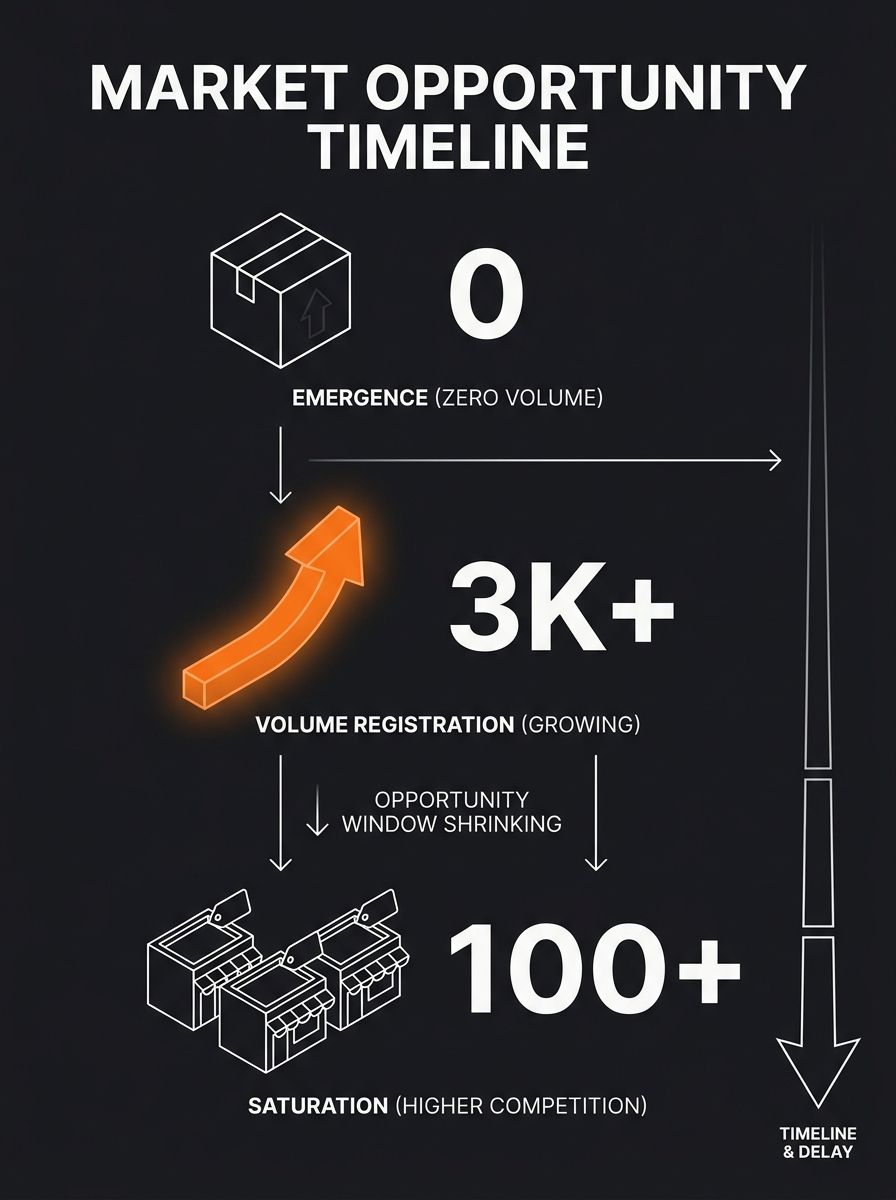
The search volume and competition scores your niche research tool surfaces are trailing indicators that describe where money already moved, not where it's heading. Every tool you've tried pulls from the same well of historical query data and ranks niches by how many people already searched for them.
Why Your Niche Research Tool Isn't Finding Profitable Markets (And What Signal You're Missing)
The search volume and competition scores your niche research tool surfaces are trailing indicators that describe where money already moved, not where it's heading. Every tool you've tried pulls from the same well of historical query data and ranks niches by how many people already searched for them. By the time a niche registers 10,000+ monthly searches with "low" competition, dozens of stores have already validated the market, locked in supplier relationships, and started compressing margins. You're reading the scoreboard after the game ended.
The signal these tools can't surface is spending behavior evidence: proof that real people are already opening their wallets for adjacent, specific products in communities you haven't checked. This article defends that claim with three pieces of evidence and shows you exactly where to look.
Keyword Volume Is a Lagging Indicator by Design
Google Keyword Planner, Ahrefs, and every tool built on top of search data work the same fundamental way. They aggregate historical query counts, smooth them into monthly averages, and assign a difficulty or competition score based on how many pages already rank. The data you see for "bamboo cat furniture" in April reflects search behavior from months prior, processed through Google's own smoothing algorithms.
This creates a structural delay. By the time enough people search for a term to register as a meaningful volume signal, the market has already attracted sellers. Research from Upskillist confirms that businesses using structured market validation see 34% faster time-to-market and 27% higher customer satisfaction rates. These companies aren't waiting for keyword tools to bless a niche before entering it.
Here's the math problem with keyword-first niche selection for dropshippers. Say your tool shows "ergonomic pet bowls" at 8,100 monthly searches and a keyword difficulty of 22. You think: moderate demand, low competition. But keyword difficulty measures organic SEO competition. It says nothing about how many Shopify stores are already running paid ads against this audience, what their cost-per-click looks like, or whether average order value in the category supports your margin requirements.
If you're building your first store and leaning heavily on tools to pick a niche and get started, keyword data is a fine first filter. It tells you demand exists. But treating it as your primary decision-making signal is one of the most common niche research mistakes operators make, because it conflates "people search for this" with "I can profitably sell this."
The distinction matters for unit economics. A niche with 2,000 monthly searches where the average product sells for $65 with a 40% margin is dramatically more profitable than a niche with 20,000 searches at $19 average price and 15% margin after ad spend. Your keyword tool doesn't model this. It shows you the bigger number and you do the rest.
Spending Behavior Hides in Communities, Not Search Bars
The niche research signal that actually predicts profitability is evidence of current spending. Specifically, you want to answer one question: are people in this market already paying money for products, tools, courses, or subscriptions related to the problem you'd solve?
As PUSH.fm's research notes, profitability leaves clues in niches where people are already buying tools, courses, or products. If money is flowing, there's room to enter with a better or more specialized offer. Here's where to find this signal and how to read it.
Reddit and niche-specific forums. BrandWell's niche research recommends going straight to forums and communities like Reddit and Quora because they're full of unfiltered opinions and unmet needs. But don't just read the complaints. Look for purchase threads: "what did you buy," "show your setup," "which brand do you use." These threads reveal what people spend on and, critically, where they express frustration with existing options.
Search any subreddit for "just bought" or "recommend" and sort by the past month. You'll find actual products people are purchasing right now, with upvoted comments explaining why. That's real-time demand data that no keyword tool captures.
Amazon review mining. Pull up the top three products in your candidate niche on Amazon. Read the three-star reviews specifically. The five-star reviews tell you what works. The one-star reviews are often bad-faith complaints or shipping damage. The three-star reviews describe what's almost good enough. That gap between "almost" and "good enough" is where margin lives, because you can source a product that addresses those specific shortcomings and charge a premium for it.
Facebook Group activity. Join three to five groups in your candidate niche. If a group about indoor gardening has daily posts showing off purchases, linking to specific products, and asking "where can I find X," you've found verified spending behavior. If the group is mostly memes and shared articles with minimal product discussion, spending intent is lower and the niche may not support the AOV you need.
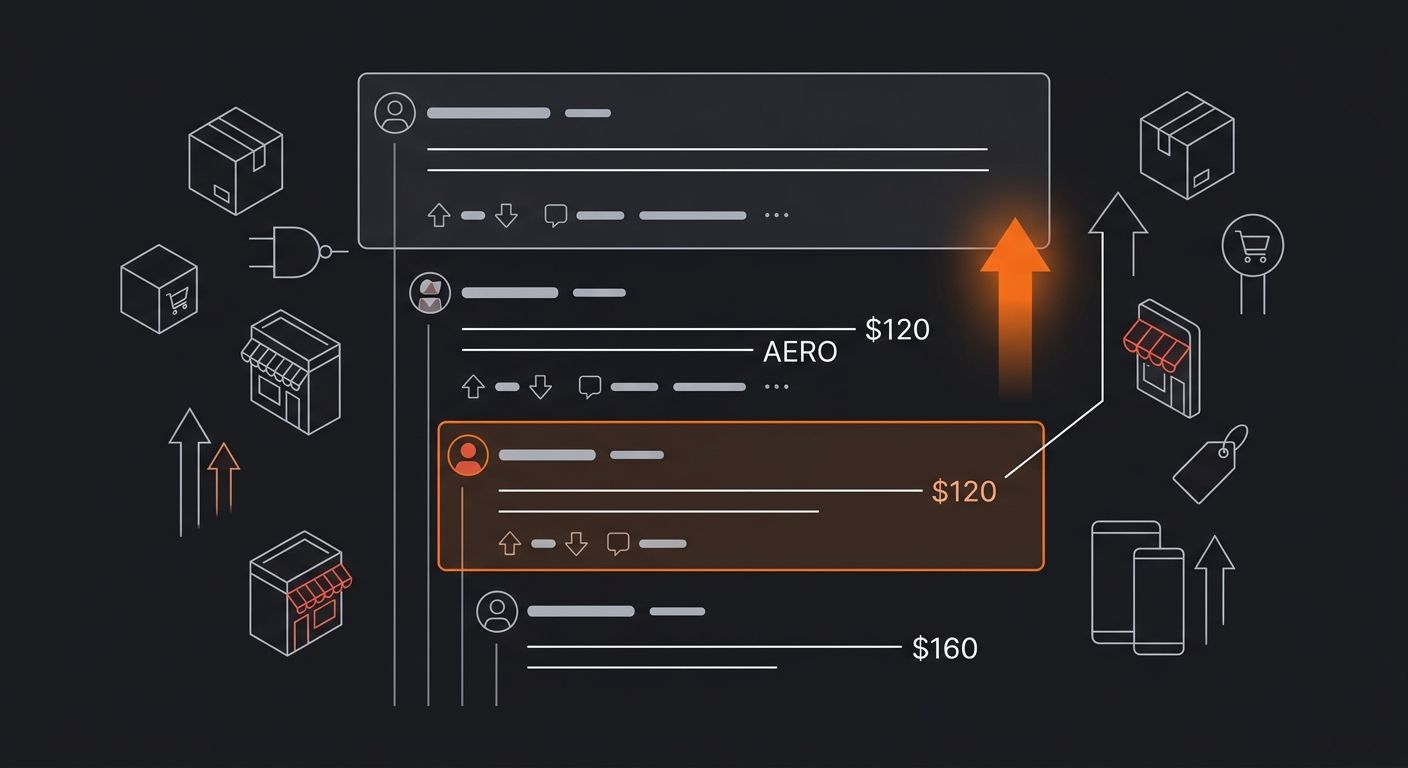
This process takes more time than typing a seed keyword into a tool. It should. The entire reason these signals remain valuable is that they require manual effort most operators skip. When you're evaluating whether to invest in a paid niche research tool or do this work yourself, remember that the tool can only show you what's already indexed and quantified. The communities show you what's happening right now, before it hits the indexes.
Pre-Validation Tests Outperform Keyword Analysis at Predicting Revenue
The third piece of evidence is methodological. Market validation beyond keywords means running actual tests with real humans before committing inventory dollars or ad budgets to a niche.
One approach that's gained traction is fake door testing, described in detail by Userpilot's market validation guide. You create a landing page for a product that doesn't exist yet, drive a small amount of paid traffic to it, and measure click-through and email signup rates. If 8% of visitors click "Add to Cart" or enter their email for a launch notification, you have quantified demand for under $200 in ad spend. If 0.4% engage, you've saved yourself months of work on a dead niche.
The numbers that matter in a fake door test for dropshipping niches:
Traffic cost: $100–$300 in Facebook or Google ads targeting your candidate audience
Landing page: Free with any Shopify theme or a page builder. If you already run a store, tools like GemPages can spin up a test page in under an hour
Success threshold: An email capture rate above 5% or an add-to-cart rate above 3% suggests real purchase intent, not casual browsing
Timeline: 48–72 hours of ad spend gives you enough data to decide
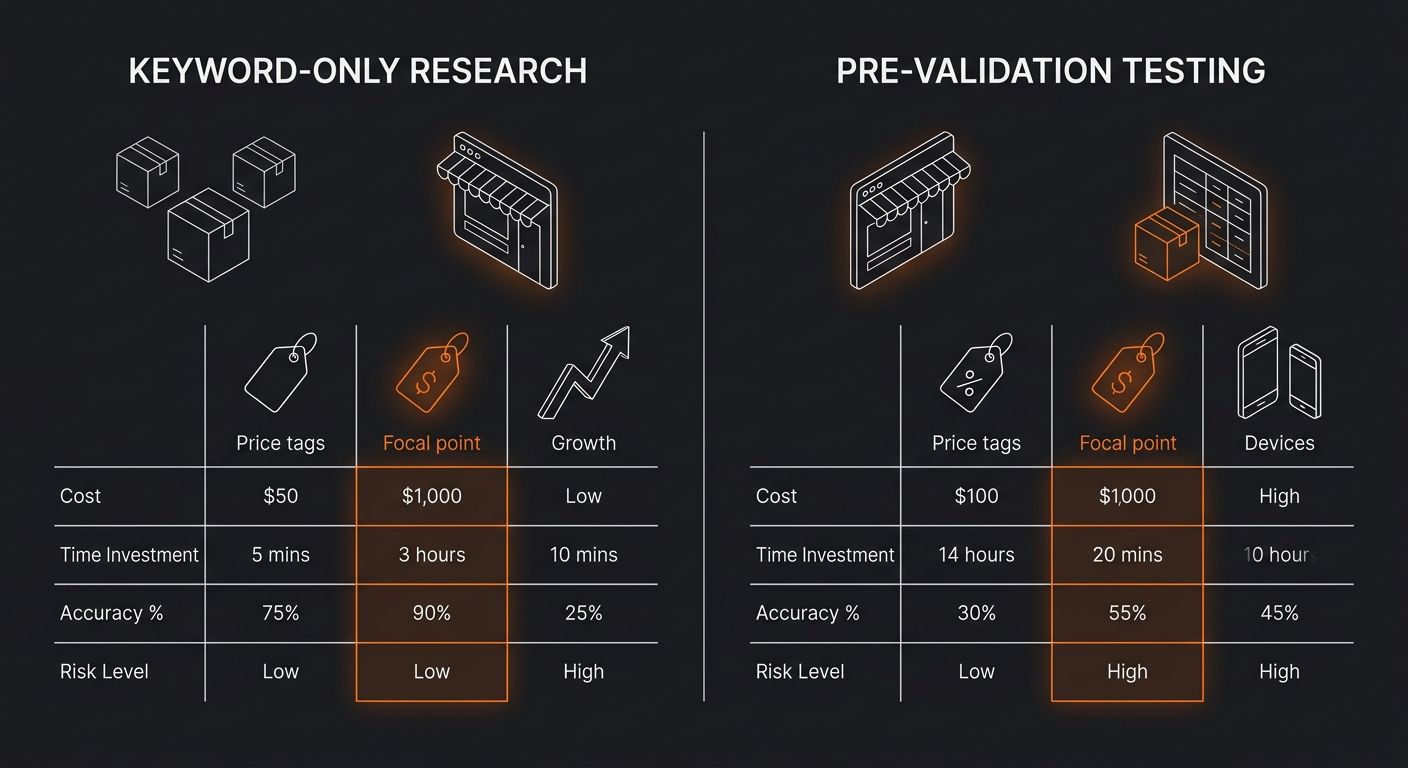
Compare this with the keyword-only approach. You spend zero dollars upfront but invest weeks building a store, finding suppliers, and running your first test orders to verify product quality before discovering that the audience doesn't convert at a price point that supports your margins. The keyword data gave you a false sense of confidence, and now you're $2,000 deep into a store that generates $6 average orders.
Pre-validation isn't foolproof. A 7% email capture rate doesn't guarantee a 3% purchase conversion once the store goes live. But it's a leading indicator, measured in real-time with real humans, which makes it categorically more reliable than trailing keyword data for predicting whether a niche will generate revenue.
The cost of validating three niches this way runs $300–$900. That sounds steep until you compare it with the alternative: three to six months of building, sourcing, and advertising into a niche that can't sustain profitable unit economics.
The Thesis, Revisited
The core claim holds up under pressure: keyword tools show you where demand existed, spending behavior evidence shows you where money moves today, and pre-validation tests show you where revenue will come from tomorrow. The three signals operate on different time horizons, and the mistake almost every new operator makes is relying exclusively on the first one because it's the easiest to pull from a dashboard.
This doesn't mean you should ignore search volume entirely. Use it as a filter. If a niche has literally zero search volume and no online conversation anywhere, you're probably looking at a market that doesn't exist in digital commerce yet. But once a niche clears a baseline volume threshold (even 1,000 monthly searches is enough for a focused dropshipping store), stop looking at keyword data and switch to the spending behavior and pre-validation signals described above.
Price compression data matters here too. If products in a niche are selling at thinner margins every quarter while volume stays flat or grows, high search volume is actually a warning sign. Volume plus margin compression means a saturated market with too many sellers chasing the same buyer pool. You can check this by tracking the top five Amazon listings in your candidate niche monthly and noting whether average selling prices are declining.
The operators who consistently succeed at finding profitable niches aren't using better tools than you are. They're reading different inputs. A keyword tool tells you what thousands of people typed into Google over the past several months. A Reddit thread where someone describes spending $85 on a product and 340 people upvote the discussion tells you where money is going, what buyers care about, and what they wish existed. One of those inputs costs $99/month in subscription fees. The other costs an afternoon of focused reading. When you look at which one actually predicts revenue, the allocation question answers itself.
365 Dropship Editorial
Editorial team writing about E-commerce, dropshipping, and product discovery — reviews of dropshipping suppliers and platforms, trending niche guides (jewelry, beauty, pets, home, fashion), supplier due diligence, ecom operations, shipping & fulfillment strategy, product research, AOV optimization, and profitable dropshipping case studies.
Explore more topics